Prateek Tanmay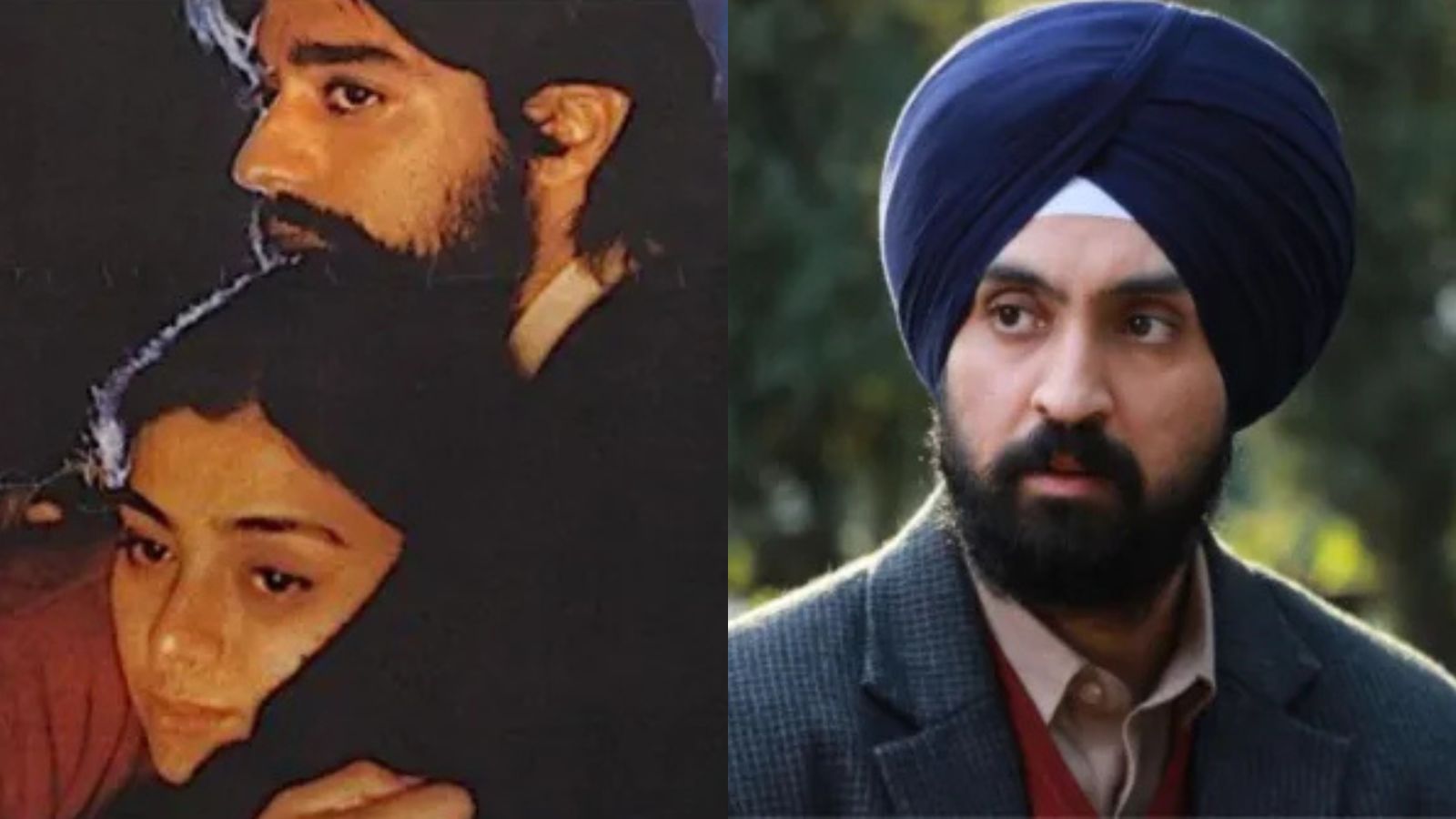
5 min readAmritsarJul 14, 2026 06:22 PM IST
The controversial ban on Satluj, a film based on the life of Punjab human rights activist Jaswant Singh Khalra, stands apart from the history of Hindi and Punjabi cinema that has delved into the politically fraught period of 1984 and its aftermath.
The Octobers of 1995 and 1996 saw Indian cinema at a crossroads. In October 1995, Aditya Chopra’s Dilwale Dulhania Le Jayenge wooed the Punjabi diaspora directly, laying the foundation for a whole new genre of romantic cinema. Exactly a year later, Gulzar’s Maachis placed a completely different reality before the same Punjabi audience—one of injustice, oppression, and armed conflict.

* Maachis poses a central question: who took the first step toward militancy—the young men of Punjab who picked up arms, or the injustice that pushed them toward that path? The film keeps returning to this through the long exchanges between actors Chandrachur Singh and Om Puri, handing the question back to the viewer. The film won several awards, including two National Film Awards.
* Bobby Deol’s Badal (2000) was a typical Bollywood revenge drama involving a young man, a victim of the 1984 anti-Sikh riots, seeking justice after the police kill his family. It was the first major commercial film on the topic and managed to move the conversation forward.
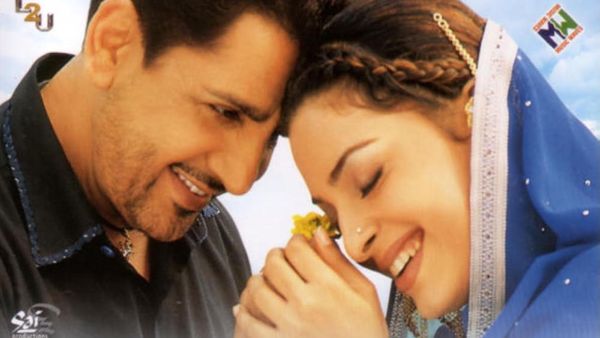 Des Hoyaa Pardes, starring singer Gurdas Maan and Juhi Chawla, told its story from a human angle—an ordinary family whose son becomes a victim of police torture.
* Then came Hawayein (2003), a sweeping story set against the backdrop of the anti-Sikh riots that spanned Delhi and Punjab. It was the first film on this subject to face censorship from various state governments, a fate both Maachis and Badal had escaped.
* In 2005, Amu faced heavy censorship and cuts as it directly named politicians in its portrayal of the 1984 anti-Sikh riots in Delhi. First screened at the Berlin International Film Festival in February 2004, the film went on to win the National Film Award for Best Feature Film in English after its release.
* The same year, Des Hoyaa Pardes, starring Punjabi singer Gurdas Maan and Juhi Chawla, told its story from a human angle—an ordinary, happy family whose son becomes a victim of police torture, even though his prospective father-in-law is himself a police officer. Said to be inspired by real events, some of its police torture scenes were considered highly sensitive. Surprisingly, former Punjab director general of police KPS Gill released the film’s music. The movie won two National Film Awards—Best Feature Film in Punjabi and a Special Jury Award for Maan.
Story continues below this ad
From 2013 to 2015
* In 2013, just a day before its release, the then Shiromani Akali Dal (Badal) government banned the movie Sadda Haq, which allegedly glorified militants, citing law and order concerns. The Supreme Court later lifted the ban.
* Diljit Dosanjh’s Punjab 1984, released in 2014, touched on the infighting among militant factions and false-flag operations but kept its focus on police excesses. The film’s real strength lay in its music—songs like ‘Rangroot’ remain memorable even today, with reels on it being used to promote Satluj. It won the National Film Award for Best Feature Film in Punjabi at the 62nd National Film Awards.
* The Mastermind Jinda Sukha was based on the lives of assassins Harjinder Singh Jinda and Sukhdev Singh Sukha, who killed General Arunkumar Shridhar Vaidya, the Army chief during Operation Blue Star. The film was initially granted theatrical clearance in July 2015. However, just days before its release on September 11, 2015, the Central Board of Film Certification reversed its decision and banned the film in India.
* After Hawaayein, Gaddar: The Traitor (2015) was Amitoj Mann’s second movie on the subject. An action-suspense thriller with Harbhajan Mann in the lead, the movie also had a character resembling former Tarn Taran senior superintendent of police Ajit Singh Sandhu.
Story continues below this ad
* Chauthi Koot (2015) was the most successful in documenting the psychological impact after the Army action inside Darbar Sahib in 1984. It won several awards, including the Singapore International Film Festival’s Silver Screen Award for Best Asian Feature Film and the Mumbai Film Festival’s Golden Gateway India Award for Best Film.
Satluj and Chardikala
* Toofan Singh (2017), based on the life of militant Jugraj Singh Toofan—he was also known for protecting Hindu families so that they would not flee villages during militancy—was banned in India. It was released in foreign countries in 2017.
* Chardikala (2026) on the life of former MP, the late Bimal Kaur Khalsa, the wife of Indira Gandhi’s assassin Beant Singh, was not released in India.
“Satluj and Chardikala are considered more fact-based and politically stronger than the films that came before them. Satluj can be compared to Steven Spielberg’s Munich and Schindler’s List—films that render historical pain through deep research. Chardikala contains a fair amount of fictional material, but its research is also considered solid,” Punjabi movie critic Harpreet Singh Kahlon said.

Stay updated with the latest – Click here to follow us on Instagram