Prateek Tanmay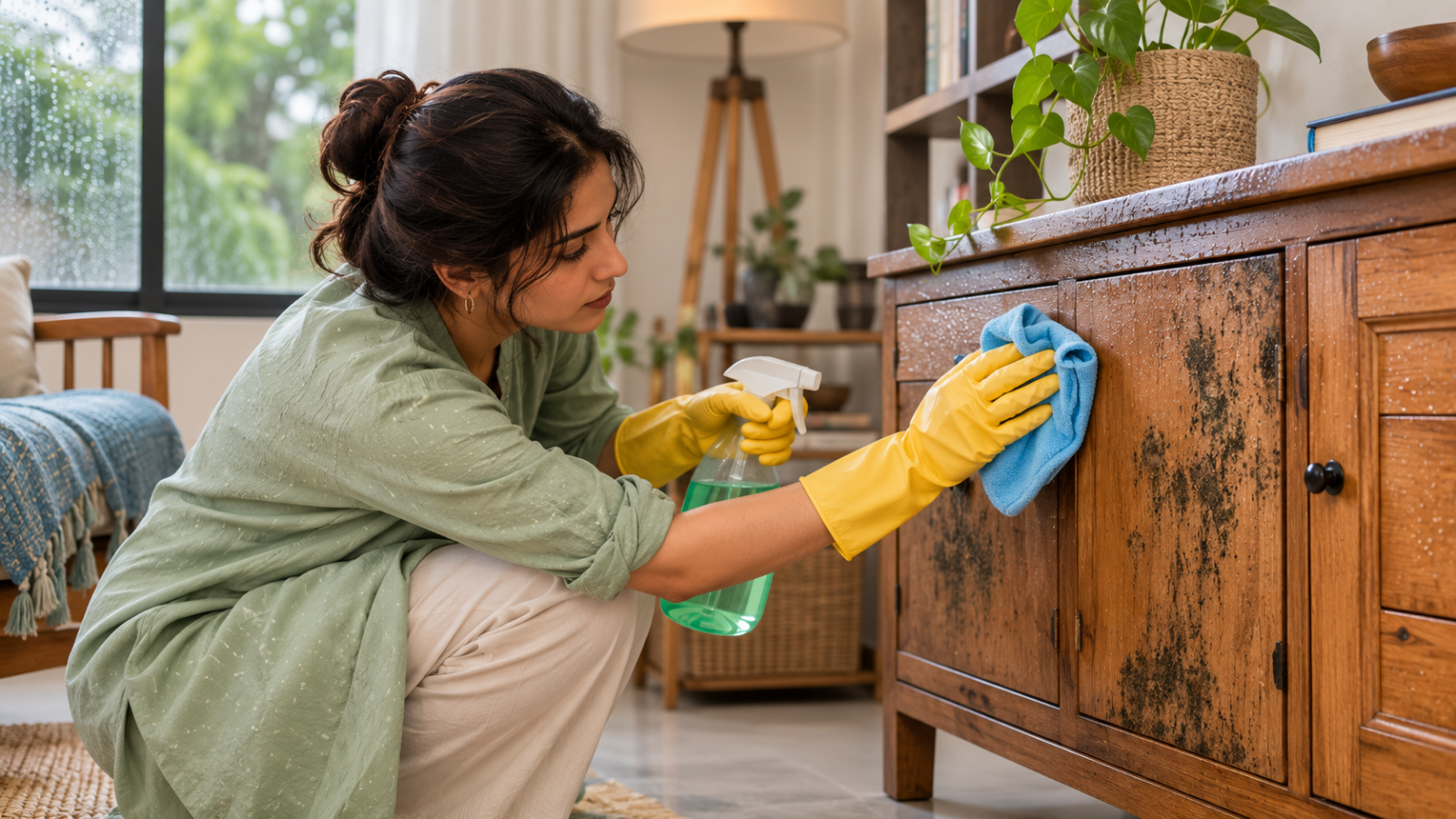
4 min readNew DelhiJul 18, 2026 10:00 PM IST
Has your sofa started smelling musty? Or have you spotted mould on a wooden table or wardrobe after days of rain? You’re not imagining it. Monsoon humidity can wreak havoc on furniture, but the good news is that cleaning it properly can help prevent permanent damage.
According to Swarup Myalil, Senior Director – Design, Furlenco, the trick is to remove the moisture gently, avoid harsh cleaning methods, and know when it’s time to call in the experts.

DISCLAIMER: This article is based on information from the public domain and/or the experts we spoke to. Always consult your health practitioner before starting any routine.
How to clean mouldy or musty furniture safely
“If furniture has already developed a musty smell or mould, the first step is to move it to a well-ventilated area and allow it to dry naturally,” Myalil tells indianexpress.com.
Before you begin cleaning, wear a mask, especially if visible mould is present, as mould spores can become airborne.
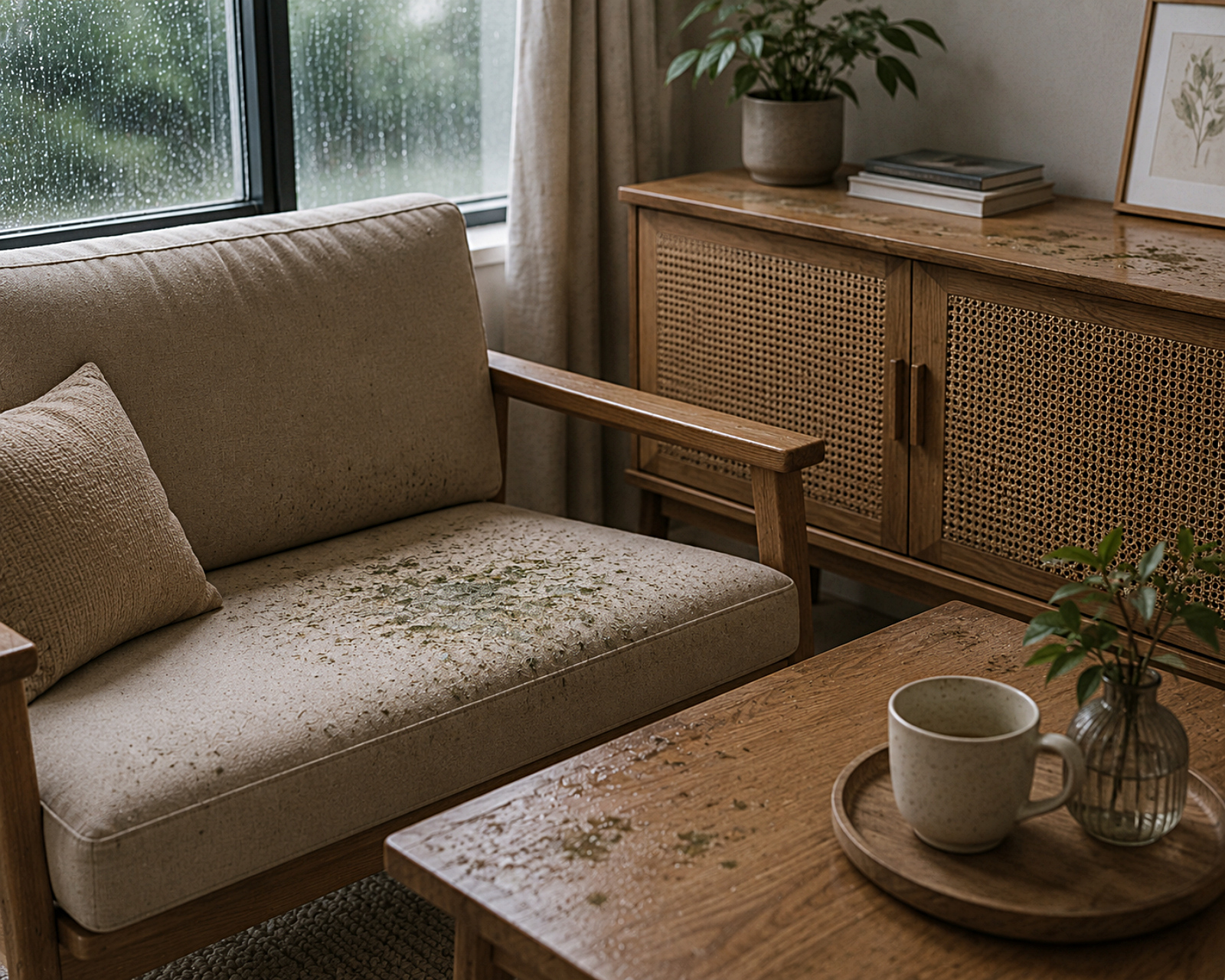 High indoor humidity levels creates ideal conditions for mould, mildew and bacteria to develop (Ai generated image)
He recommends following these steps:
* Move the furniture to a well-ventilated spot and let it air-dry naturally.
* Gently wipe away surface mould using a soft cloth or soft brush.
* Clean the affected area with a mild soap solution or a cleaner recommended for that specific material.
* Vacuum upholstered furniture thoroughly and make sure it is completely dry before using it again.
* Avoid harsh chemicals or excessive water, as they can damage wood, fabrics and finishes.
* If mould has spread deep into the upholstery or inside the wood, opt for professional cleaning or restoration to prevent permanent damage.
Story continues below this ad
Why furniture is more likely to develop mould during the monsoon
“Furniture naturally absorbs moisture from the air, particularly materials such as wood, fabric and foam,” Myalil explains.
Now since during the monsoon humidity stays high, this absorptions increases. Reduced sunlight and limited ventilation further make it harder for furniture to dry.
“This creates the ideal conditions for mould, mildew and bacteria to develop, resulting in unpleasant odours, surface stains and gradual deterioration if preventive care is not taken.”
Many homeowners also unknowingly make the problem worse. “One of the most common mistakes is placing furniture directly against damp walls, which restricts airflow and traps moisture. People also tend to ignore early signs such as a faint musty smell or minor damp patches until the problem becomes more severe,” says Myalil.
Story continues below this ad
He adds that covering furniture with non-breathable plastic sheets for long periods can also backfire, as it traps moisture instead of keeping it out.
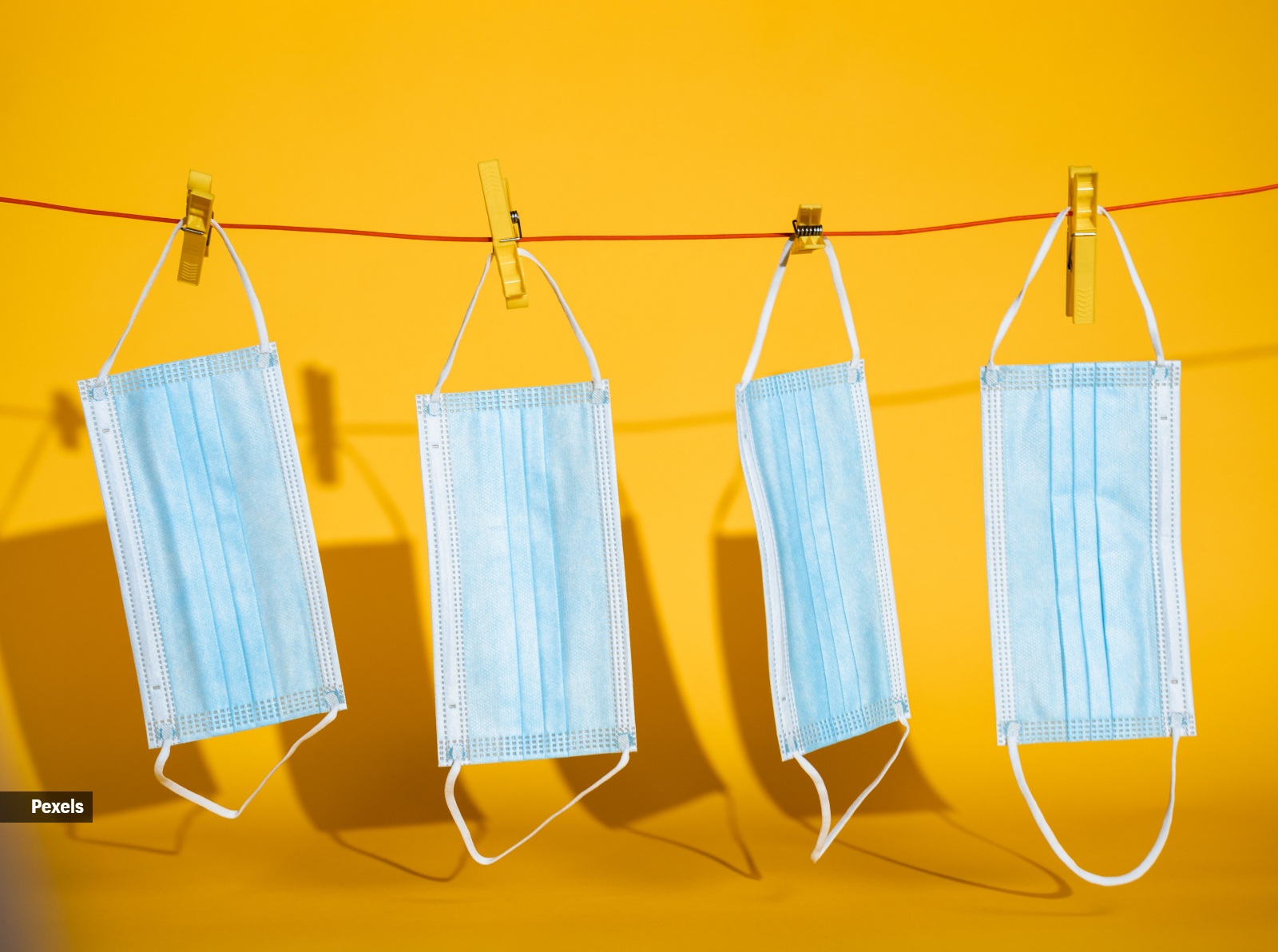 Wear a mask when cleaning furniture that already has a musty smell or mold (Image: Pexels)
Simple habits that can help protect your furniture
A few small changes can go a long way in keeping your furniture fresh throughout the rainy season.
“Do not use a damp cleaning cloth to clean the furniture, as it tends to worsen the situation. Use a microfiber cloth to dry clean first, and use a very slightly damp cloth for cleaning only if required,” advises Myalil.
He also recommends opening wardrobes, chests of drawers and other closed storage units for about an hour with the fan or air conditioner running. “This ensures air circulation inside and helps prevent mouldy odours in the storage units.”
Story continues below this ad
Another tip is to avoid placing furniture directly on tile or marble floors. “Moisture from the floor can get absorbed into the furniture and potentially cause mould growth. Use rubber caps or felt pads underneath to prevent this,” Myalil notes.
DISCLAIMER: This article is based on information from the public domain and/or the experts we spoke to. Always consult your health practitioner before starting any routine.