Prateek Tanmay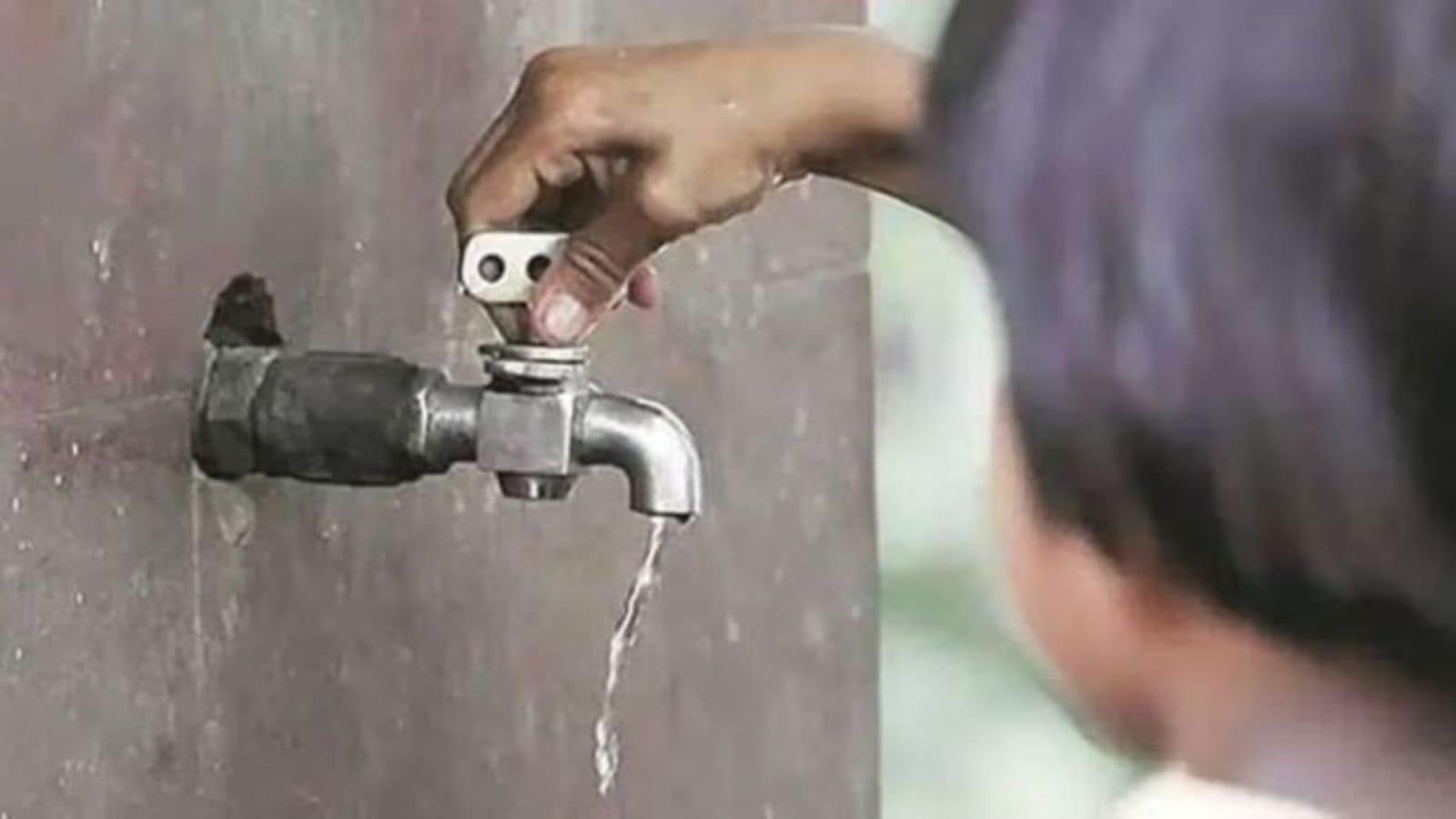
3 min readNew DelhiUpdated: Jun 9, 2026 12:18 PM IST
The water crisis in Delhi is likely to persist in despite a recent push in the amount of raw water received from Haryana, with Delhi Jal Board (DJB) officials saying that production is still below normal due to low levels in the Yamuna.
According to senior DJB officials, Delhi’s water treatment plants are currently producing around 945 million gallons per day (MGD), up from about 890 MGD after Haryana released additional water through the Munak canal system. However, the production remains well below the city’s summer requirement of over 1,200 MGD.

The worst hit are broadly parts of North, Central and New Delhi, including Civil Lines, Karol Bagh, Patel Nagar, Rajendra Nagar, Kamla Nagar, Model Town and adjoining areas.
To manage the shortfall, the DJB has rationalised supply in several areas by extending water supply hours in the morning, while curtailing evening distribution in water-deficit localities.
“There is shortage of supply from the Yamuna,” a senior DJB official said, adding that the situation will not normalise unless the water level of the river rises. The official also said that the situation is expected to improve over the next couple of days as the impact of the additional release is felt across the system.
The ongoing shortage, officials said, is linked to reduced flows in the Yamuna, which have constrained raw water availability for key treatment plants, particularly Wazirabad and Chandrawal. Last month, the Delhi government approached Haryana seeking additional water after water levels at the Wazirabad pond — the key reservoir which stores Yamuna water before it is treated and distributed — fell significantly below the level required for normal operations.
Following the request, Haryana increased supplies through the Carrier Lined Channel and Delhi Sub Branch systems, which feed Delhi’s Munak canal network.
Story continues below this ad
The additional water helped improve overall production, though officials said it has not been sufficient to fully bridge the gap between supply and demand.
Meanwhile, another senior DJB official said that the shortage has particularly affected tail-end localities under the command areas of the Wazirabad and Chandrawal water treatment plants, where residents have reported low water pressure and irregular supply over the past several days.
Experts say that such conditions can also heighten concerns over water quality. Low-pressure supply systems are more vulnerable to contamination, particularly in areas served by ageing pipelines.
The Delhi government had previously estimated that nearly 40% of the city’s water is lost through leakages and distribution inefficiencies, prompting plans for large-scale upgrades of the network under a proposed Water Master Plan which is in the works, according to PWD officials.
Story continues below this ad
Delhi’s average water demand rises sharply during the summer months, touching around 1,200-1,250 MGD, while production depends heavily on supplies received from neighbouring states through the Yamuna, Bhakra and Munak systems.

Stay updated with the latest – Click here to follow us on Instagram