Prateek Tanmay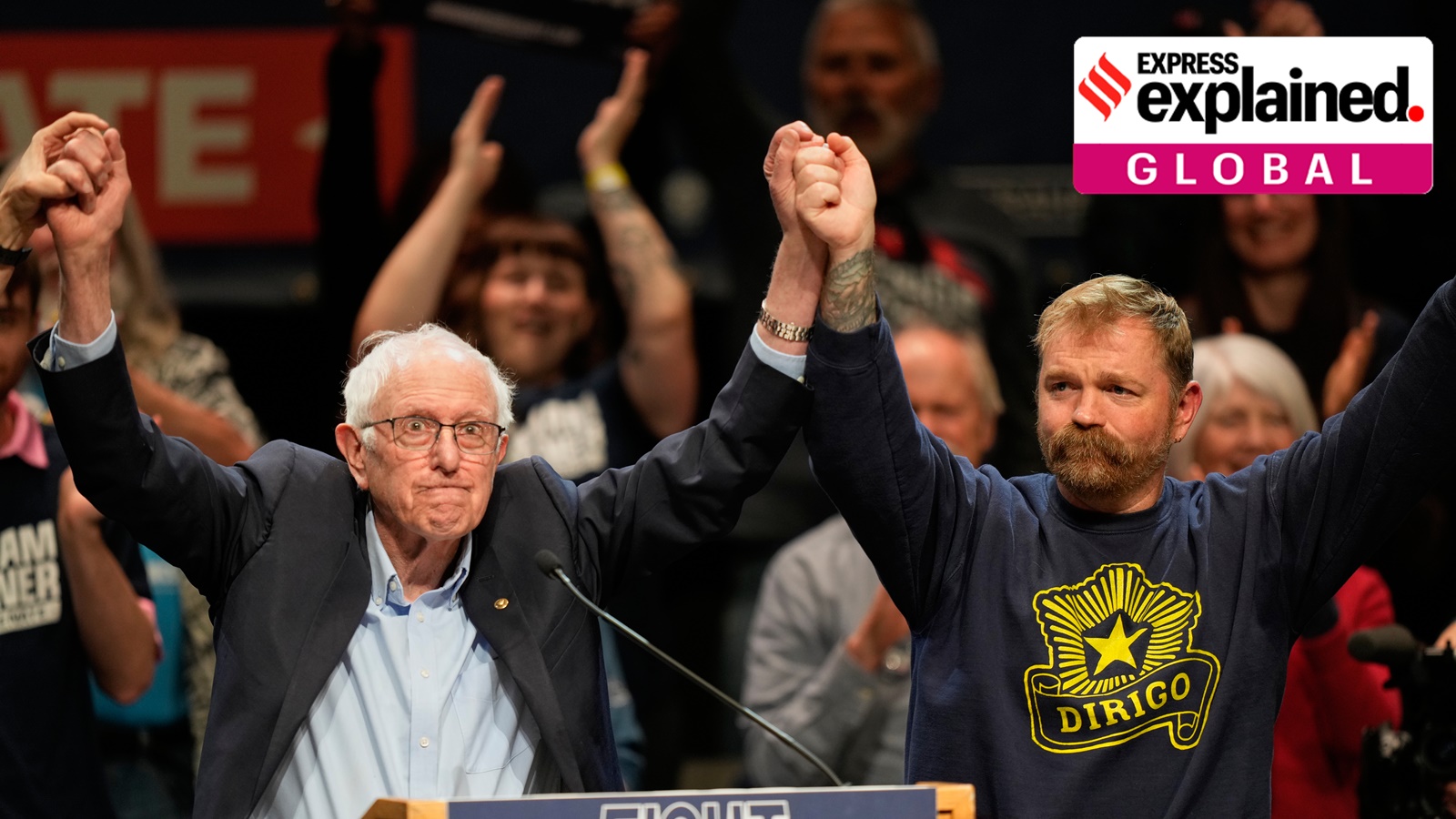
Graham Platner, the Democratic Party candidate for the state of Maine in the upcoming US Senate election, ended his candidacy on Wednesday (July 8) after prior allegations of rape came to light.
In a video posted on X, he said he learned of the allegations through press inquiries and that “a corporate media system and the political establishment got to act as judge, jury, and executioner.”
He denied the allegation, but said that continuing the campaign would cost him his ability to fundraise, with many top party leaders pulling their support. The trigger was a report by the news outlet Politico, in which a woman who dated Platner alleged that he raped her in 2021. The end of the campaign, which saw Platner’s star rise in a short period, matters for the Democratic Party ahead of the mid-term elections in November.
From popular outsider to primary winner
Before the collapse, Platner’s rise had been rapid.
He launched his campaign in August 2025 with a video speaking of his military and working-class background. Platner, 41, criticised what he called the political “oligarchy” — billionaires and big donors control politics at ordinary people’s expense. He framed his run as a bid to unseat Republican Senator Susan Collins, who is the longest-serving woman senator in US history and has held the post since 1997.
Platner’s campaign raised a million dollars in its first nine days. Senator Bernie Sanders endorsed him soon after, and other prominent Democrats, including Elizabeth Warren, followed, as Governor Janet Mills, the establishment’s preferred candidate, withdrew from the race in April. Platner went on to win the Democratic primary (the party’s internal vote) comfortably on June 9.
In the weeks before his withdrawal, he had also held narrow leads over Collins in some polls, including a New York Times/Portland Press Herald/Siena survey that put him at 49% against Collins’ 47%. Other polls showed narrow differences.
A campaign dogged by controversy
Story continues below this ad
Platner framed the timing of the allegation as part of a pattern, citing similar reports about him in October and before the June primary. With the latest allegation, Senate Minority Leader Chuck Schumer and powerful party-linked organisations called on him to drop out.
But even before the rape allegation, Platner’s candidacy had drawn some criticism. He acknowledged having a tattoo resembling a Nazi-era symbol during his military service, which he said he later had covered once its significance was pointed out to him.
A separate controversy followed soon enough. Amy Gertner, whom Platner married in 2023, had told his campaign staff privately during an internal vetting process that he had sent sexually explicit texts to other women.
That disclosure became public only when The Wall Street Journal reported it on May 30 this year, a week before the primary. Gertner later spoke publicly to defend their marriage, saying that the couple works through their struggles with the help of marriage and personal counselling, adding, “No marriage is perfect.”
Story continues below this ad
Days later, on June 4, The New York Times reported that several of his ex-girlfriends alleged disturbing and threatening behaviour on his part.
Why the dropout matters
Maine’s election rules required Platner to withdraw by Monday, July 13, so the state Democratic Party can name a replacement nominee before the July 27 deadline. His decision gives the party room to choose someone new.
Maine, a traditionally Democrat-voting state that has long had a Republican governor, holds an opportunity for the party from a national perspective, too. Democrats currently hold 47 seats in the Senate, while Republicans hold 53. To capture the majority (51 seats), Democrats need a net gain of four seats this election.
CNN reported that while “well-funded Democrats have fallen short against Collins in previous contests, Democrats believe a favorable national environment could buoy their chances this year in a state that former Vice President Kamala Harris won by nearly 7 percentage points in 2024.” Apart from Maine and North Carolina, all their remaining opportunities lie in states that President Donald Trump carried by double digits in 2024: Ohio, Iowa, Alaska, and Texas.
Story continues below this ad
A Democratic majority would allow the party to block Trump nominees and use its committees to investigate the administration, though it would still fall short of the 60 votes needed to pass most laws or the two-thirds required to override a presidential veto. The Senate also confirms Supreme Court and federal judges, Cabinet secretaries and other top officials, and ratifies treaties — powers Republicans currently hold outright.
In Maine, attention has now turned to former Senate leader Troy Jackson, Secretary of State Shenna Bellows, and former Maine Covid response director Nirav Shah, all of whom took steps to launch campaigns within a day of Platner’s withdrawal.