Prateek Tanmay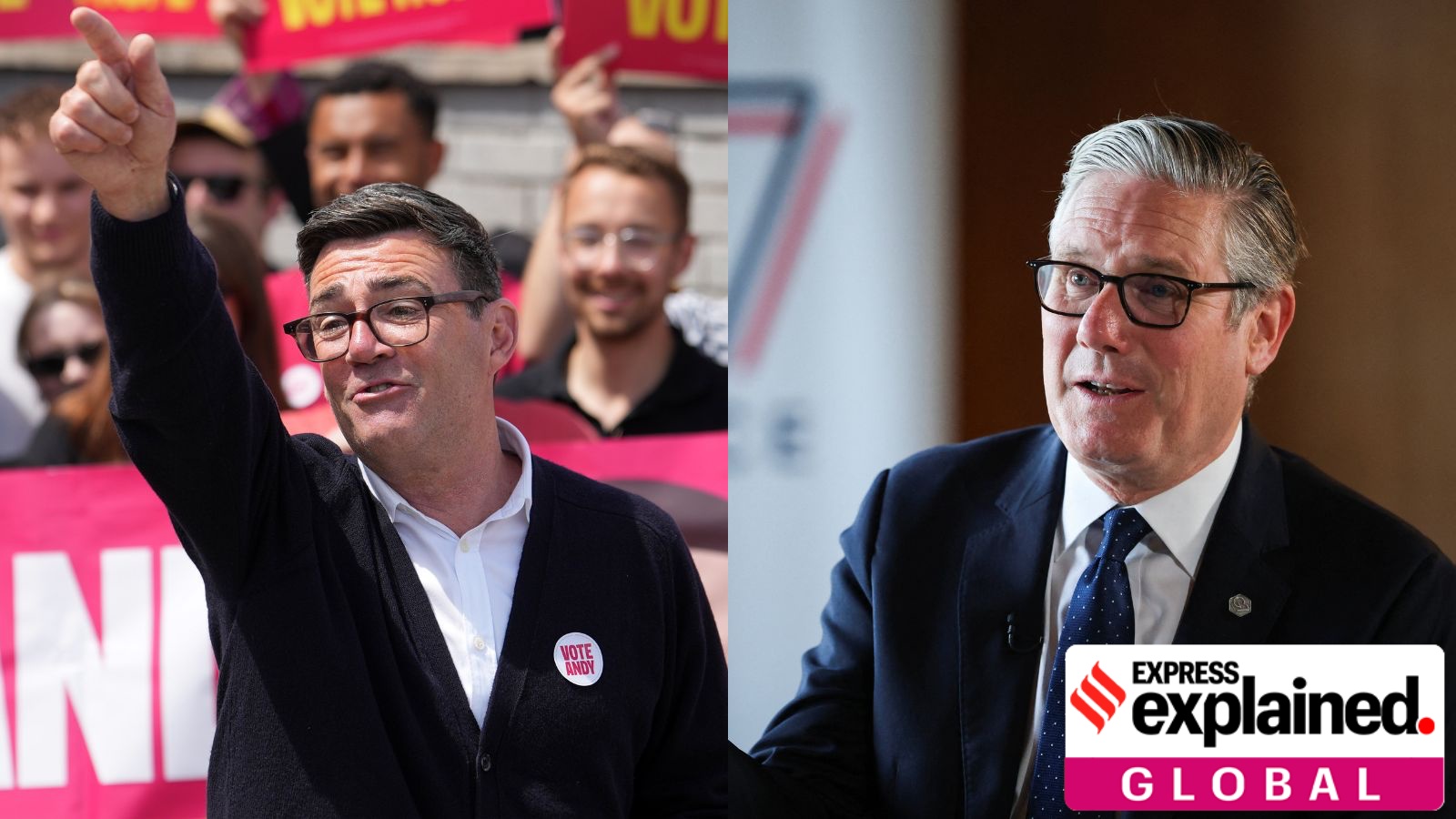
4 min readNew DelhiJun 20, 2026 05:30 AM IST
British Prime Minister Keir Starmer reaffirmed Friday (June 19) his intention to fight for his leadership of the Labour Party following a potential challenger’s win in the Makerfield parliamentary byelection.
Labour leader Andy Burnham, who will return to the House of Commons (Lower House of British Parliament) after almost a decade, garnered almost 55% of the total votes polled. Reform UK candidate Robert Kenyon finished second with 35% of the votes. It is widely expected that Burnham will soon launch a bid not just for the party leadership but for the prime ministership as well.

Burnham, who previously served as the mayor of the Greater Manchester Area (2017-26), is considered one of the more popular figures within the Labour Party. His time as mayor saw a focus on transport and policing, earning him the nickname “King of the North” (a reference to the popular TV show Game of Thrones).
Since he led the Labour party to a win over the Conservative party in the 2024 general election, Starmer has faced intense scrutiny over his leadership. Of late, he has been under political pressure owing to poor local election results in May, besides facing criticism over his former adviser Peter Mandelson in relation to the Epstein files.
Although Starmer congratulated Burnham’s victory publicly, the incumbent PM has already indicated that he would not concede his position without a struggle. So, how does Burnham’s win in Makerfield put pressure on the incumbent PM and his leadership of the Labour Party? We explain.
Makersfield by-election
Makerfield, situated in north-west England, witnessed a historic 59% voter turnout in a constituency dominated by working-class, white citizens. That Burnham’s victory was preceded by Makerfield’s previous MP, Josh Simons, standing down to allow the former to contest is an indicator of his popularity. In his previous stint in the House of Commons, Burnham was MP of Leigh (2001-17). Any potential leadership candidate, be it for the ruling party leadership or even for the Prime Minister’s chair, must be a sitting MP.
In February 2026, the Labour Party had blocked Burnham’s candidacy in the Gorton and Denton parliamentary byelection, citing the cost of replacing Burnham as mayor (approximately $5 million) as the main reason. In his victory speech Friday, Burnham said that the result “could be a turning point” and that “people had voted for change and everywhere forgotten by Westminster”. Westminster, located in central London, is the site of the British Parliament building.
Story continues below this ad
Earlier this year, Starmer’s former Health Secretary Wes Streeting had officially resigned from his post and announced his intentions to trigger a leadership contest. Burnham’s induction as an MP only serves to tighten the political uncertainty surrounding Starmer’s role as Labour Party leader.
Should Burnham or Streeting replace Starmer as leader and Prime Minister, this change shall mark England’s seventh PM in the past decade. When asked about a possible leadership race, Starmer said that “there isn’t one at the moment” and that “it would send the country into chaos”.
Starmer’s contest for the future
To trigger a leadership election, at least 20% of Labour’s 403 MPs must formally back the contender, following which a 50%-plus simple majority is needed to win. Given past outcry demanding Starmer’s resignation, Burnham is expected to comfortably clear the 20% requirement. Polling expert John Curtice, however, told BBC that Burnham’s victory might not lead to a “dramatic” improvement in Labour’s popularity.
Burnham, for his part, has sought to to avoid directly calling for Starmer’s resignation. He, however, might bank on the momentum of his return to Westminster to dethrone the current occupant of 10 Downing Street.