Prateek Tanmay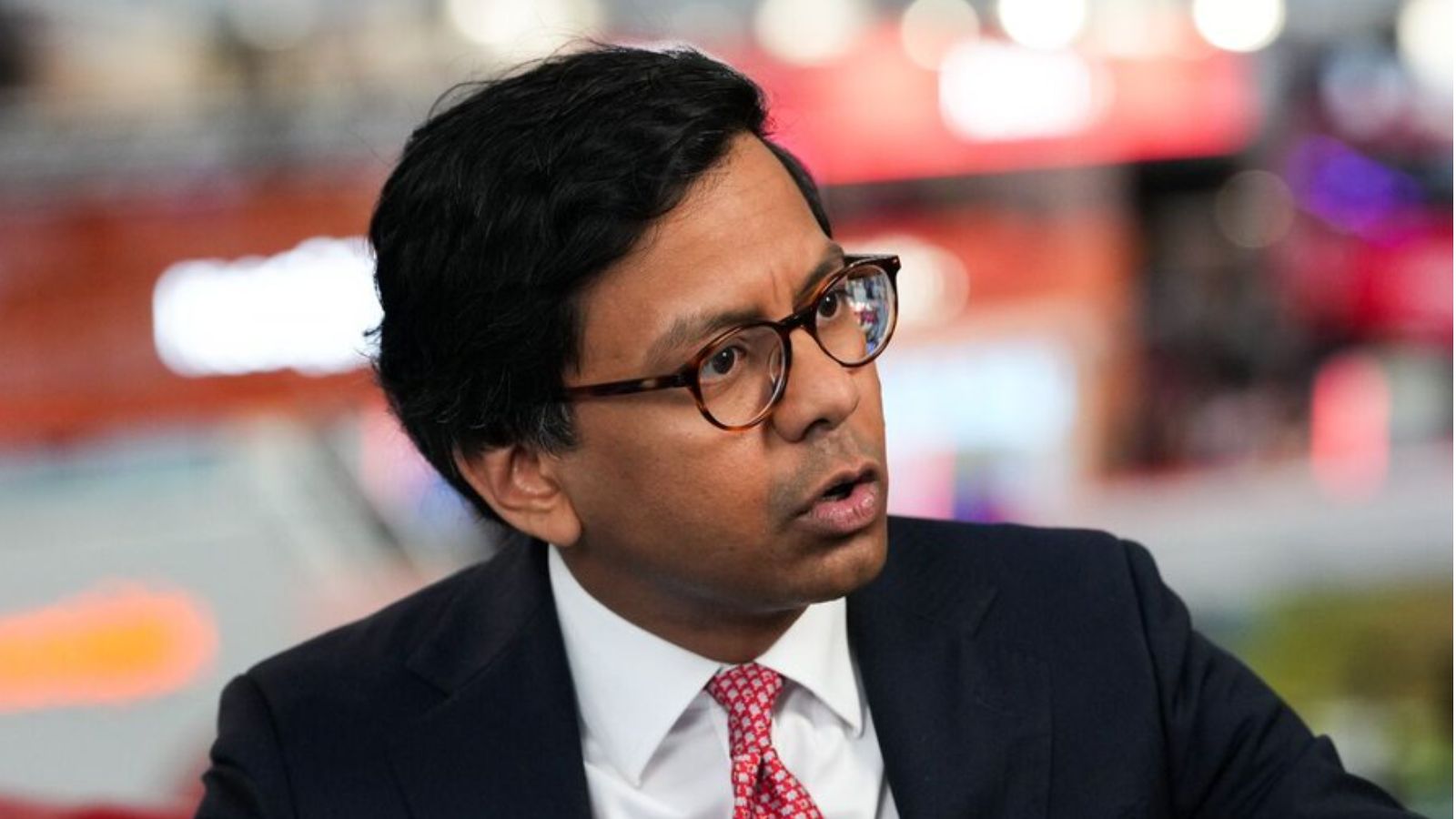
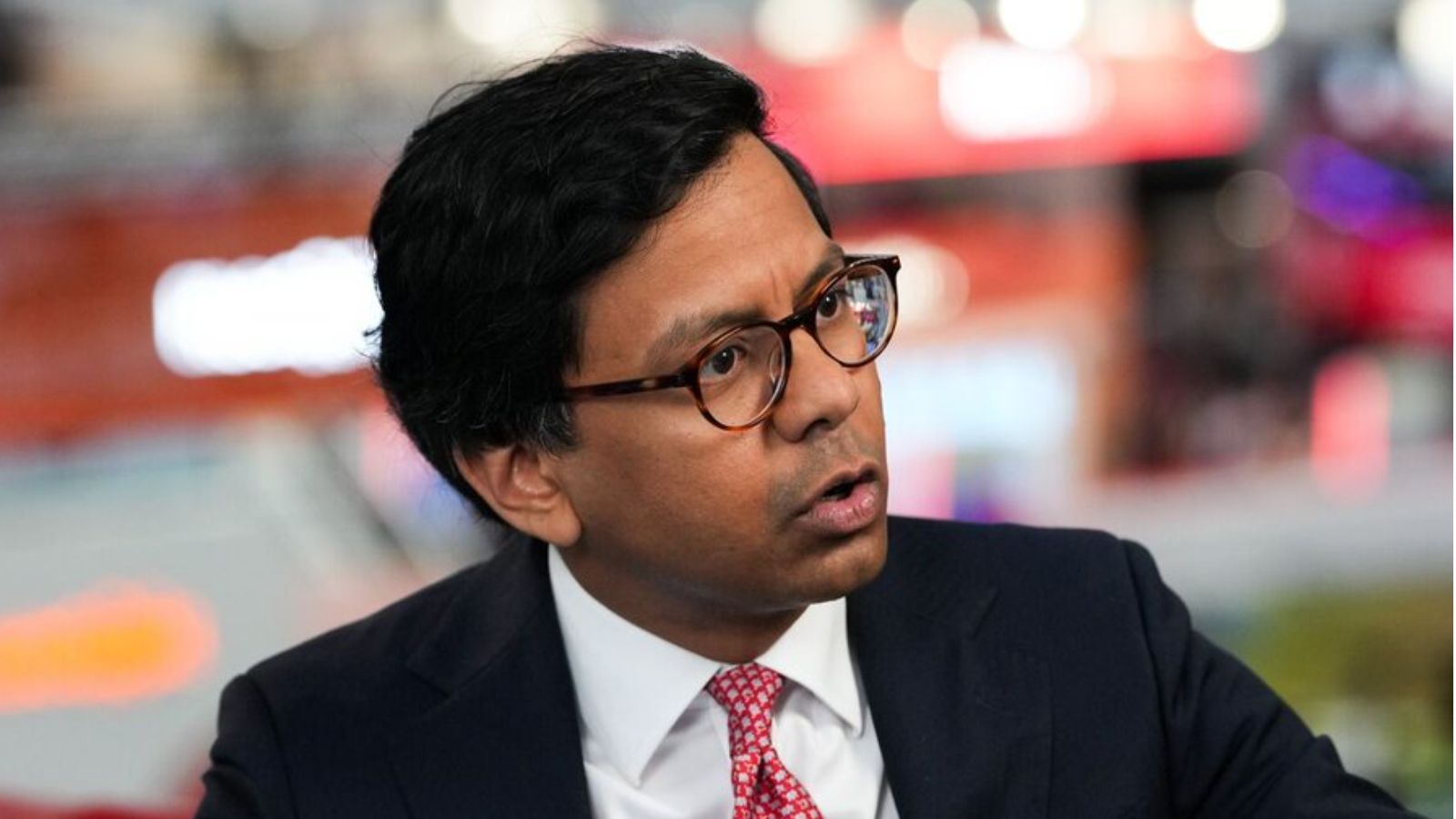 Kanishka Narayan has been appointed as Minister of State Minister for Artificial Intelligence. (Photo: X/ @KanishkaNarayan)
 Kanishka Narayan, the India-born MP who made history as Wales’ first ethnic minority MP, has kept his post as Minister of State for AI in Andy Burnham’s new cabinet, according to BBC News.
Narayan, who was born in Bihar and moved to Cardiff as a child, is one of several familiar faces retained as Burnham assembles his top team following Sir Keir Starmer’s resignation on Monday. His cabinet blends ministers who served under Starmer with longtime, trusted allies.

According to his LinkedIn profile, Narayan is a member of the UK Parliament for the Vale of Glamorgan. His education includes a Bachelor of Arts (BA) degree in Philosophy, Politics & Economics from the University of Oxford and a Master of Business Administration (MBA) from Stanford University.
Who all is in the new cabinet?
The lineup so far includes:
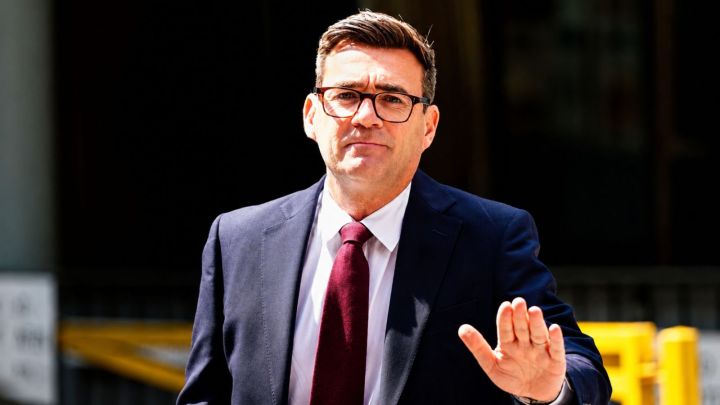
- Andy Burnham: Prime Minister
- John Healey: Chancellor
- Louise Haigh: Chancellor of the Duchy of Lancaster
- Ed Miliband: Foreign Secretary
- Shabana Mahmood: Home Secretary. Read more

- Wes Streeting: Defence Secretary
- Yvette Cooper: Health Secretary
- Lucy Powell: Education Secretary
- Pat McFadden: Work and Pensions Secretary
- Angela Rayner: Housing Secretary
- Jonathan Reynolds: Business and Trade Secretary
- Bridget Phillipson: Equalities Minister
- Lisa Nandy: Culture Secretary
- Miatta Fahnbulleh: Energy Secretary
- Alex Norris: Justice Secretary
- Heidi Alexander: Transport Secretary
- Angela Eagle: Environment Secretary
- Sir Chris Bryant: Secretary of State for Northern Ireland
- Douglas Alexander: Secretary of State for Scotland
- Stephen Kinnock: Secretary of State for Wales
- Emma Reynolds: Chief Secretary to the Treasury
- Anneliese Midgley: Chief Whip
- Ellie Reeves: Attorney General
- Alan Campbell: Leader of the Commons
- Baroness Smith of Basildon: Leader of the Lords
- Hamish Falconer: Minister of State
- Kanishka Narayan : Minister of State (AI)
- Matthew Pennycook: Housing Minister
Why is Healey’s promotion notable?
Story continues below this ad
Healey’s resignation as defence secretary last month helped precipitate Starmer’s downfall, after he publicly criticised the former prime minister’s handling of a Treasury dispute over defence funding. A former trade unionist first elected in 1997, Healey previously served as a Treasury minister under Tony Blair and had been floated earlier this year as a possible caretaker prime minister, the Financial Times reports, citing his reputation as a moderate with cross-party appeal.
As defence secretary, he was credited with a swift strategic review of the ministry, strong ties with his American counterpart, and convincing Starmer to lift defence spending to 2.5% of GDP by 2027. On departing, Healey pushed for a firm commitment to “a headmark date for 3 per cent of GDP on defence in 2030”, according to the FT. Burnham and Healey now inherit a nearly £5bn shortfall in the defence budget Starmer had outlined before leaving office.
What’s behind the Miliband appointment?
Naming Ed Miliband foreign secretary has unsettled some in Westminster who expected him to land the chancellorship instead.
Miliband, who led Labour from 2010 until his 2015 election defeat and most recently served as energy secretary, remains one of Britain’s more divisive politicians popular among progressives for his climate advocacy but frequently attacked by Conservative critics, including party leader Kemi Badenoch, who has accused him of damaging Britain’s economy.
Story continues below this ad
Despite the criticism, Miliband regularly ranks among the most popular Labour figures in LabourList’s monthly cabinet poll.