Prateek Tanmay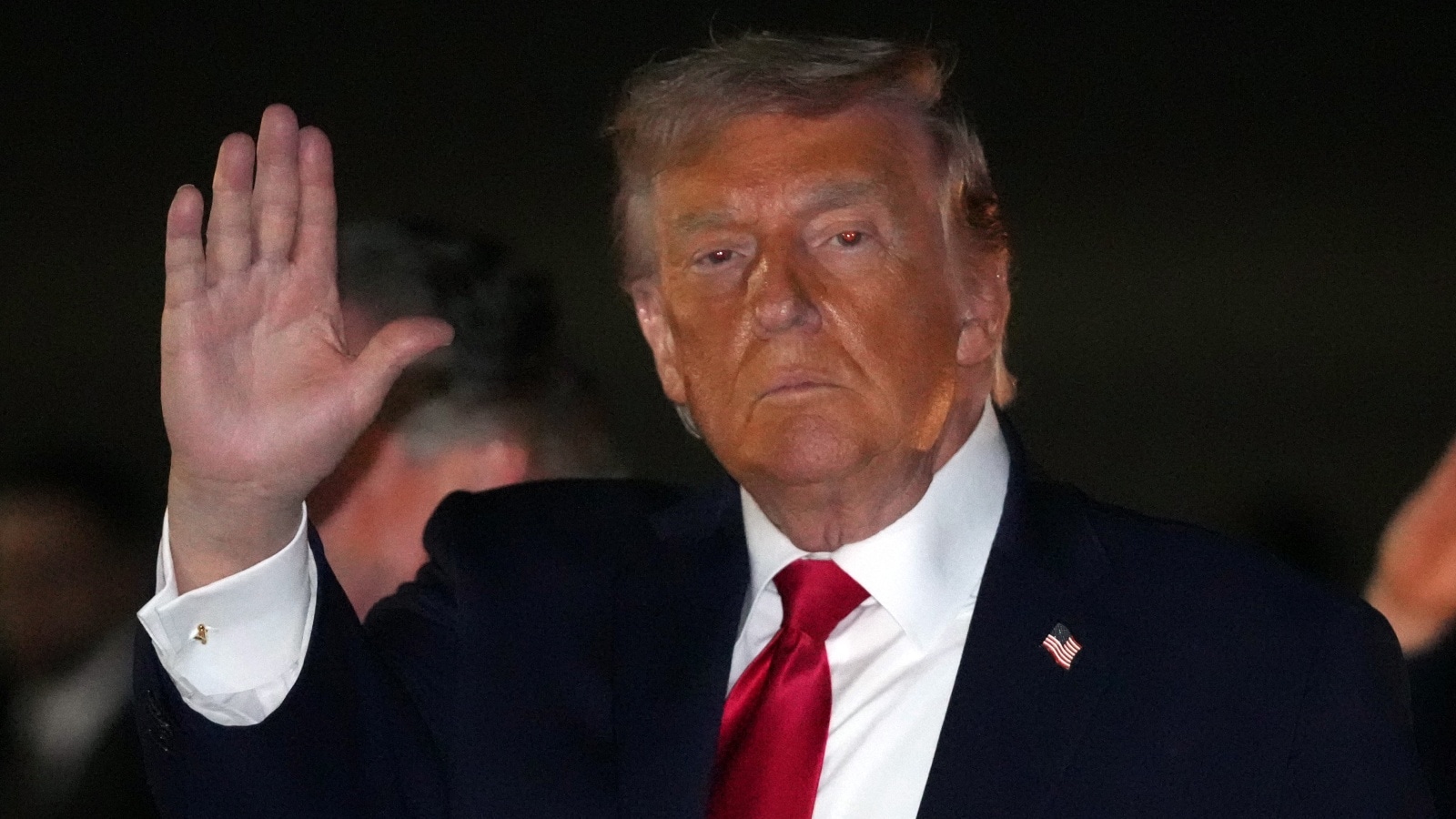
4 min readUpdated: Jun 10, 2026 02:48 PM IST
The US House of Republicans on Wednesday approved a $70 billion immigration enforcement package that would fund border and deportation agencies through the remainder of US President Donald Trump’s term, bringing a legislative victory for the White House after months of partisan deadlock.
The Secure America Act cleared the House in a narrow 214-212 vote, largely along party lines. The Senate had already approved the legislation last week and the bill now heads to President Trump’s desk for final approval.

Funding for ICE, border security
The legislation allocates $38 billion to Immigration and Customs Enforcement (ICE), $26 billion to Customs and Border Protection (CBP) and roughly $5 billion to the Department of Homeland Security (DHS) through September 2029, as per The Guardian reports.
Republicans argued that the measure is essential to strengthen border security, support immigration enforcement operations and prevent future funding disruptions.
House Speaker Mike Johnson described the vote as the end of a prolonged political battle over immigration policy and federal funding.
Democrats
The bill follows a months-long standoff that began in January when Democrats blocked funding for ICE and CBP after federal agents killed two US citizens in Minneapolis during an immigration enforcement operation.
The impasse prevented Congress from passing a full DHS funding package, leading to a 75-day partial shutdown of the department beginning in mid-February.
Story continues below this ad
DHS eventually resumed operations in late April after lawmakers approved temporary funding for the department while leaving ICE and CBP financing unresolved.
Republicans subsequently moved to secure long-term funding for the two agencies, arguing that separate appropriations would shield them from future political disputes.
House Democrats unanimously opposed the legislation, contending that it grants sweeping powers and resources to immigration enforcement agencies without sufficient accountability mechanisms.
Minority Leader Hakeem Jeffries criticised the measure as a “blank cheque” for ICE, arguing that billions of taxpayer dollars would be spent without meaningful safeguards or oversight.
Story continues below this ad
Democrats also accused Republicans of using the funding bill to advance a hardline immigration agenda while sidestepping broader reforms to enforcement practices.
Republicans frame vote as support for law enforcement
Republican leaders countered that opposition to the bill amounted to opposition to law enforcement.
House Majority Leader Steve Scalise said the legislation would provide critical resources for officers working on border security and immigration enforcement, portraying the vote as a test of support for public safety agencies.
The debate reflected the sharp partisan divide over immigration, one of the defining issues of Trump’s second term.
Story continues below this ad
Disputes over January 6 and Trump fund
The legislation’s path through Congress was complicated by several unrelated controversies.
Democrats unsuccessfully sought to add language preventing the government from providing financial settlements to individuals convicted of assaulting police officers during the January 6 Capitol attack.
Separately, some Republicans raised concerns about a proposed anti-weaponisation fund championed by Trump, which critics argued could be used to compensate political allies. Although administration officials have indicated the proposal is no longer under consideration, Trump has declined to completely rule it out.
White House ballroom funding removed
Another contentious provision involved $1 billion for security upgrades linked to a ballroom project under construction at the White House.
Story continues below this ad
Senate Republicans eventually dropped the funding after the Senate parliamentarian ruled that it could not be included under the budget reconciliation process being used to advance the legislation.
With the bill now awaiting Trump’s signature, Republicans are celebrating it as an investment in immigration enforcement, while Democrats warn it could expand federal deportation and border-control powers with limited oversight.