Prateek Tanmay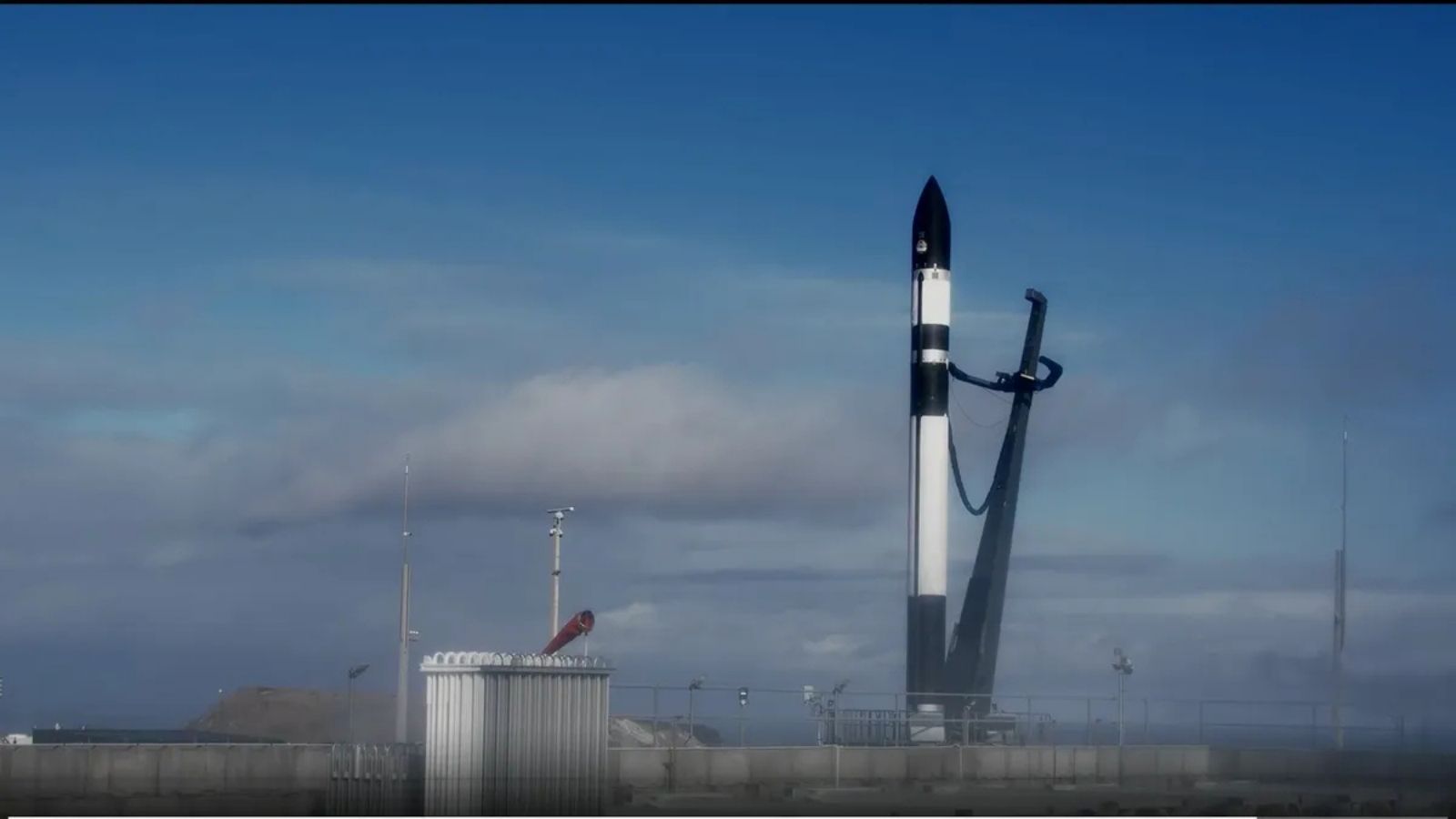
3 min readJul 1, 2026 06:03 PM IST
Rocket Lab was forced to abort the launch of a Japanese Earth-observation radar satellite just seconds before liftoff on Tuesday, delaying another mission to expand Japan’s growing synthetic aperture radar (SAR) satellite constellation.
The mission, ‘The Grain Goddess Provides’, was scheduled to launch at 9 pm EDT (0630 IST) from Rocket Lab’s Launch Complex 1 in New Zealand aboard the company’s Electron rocket. However, the countdown halted at the last moment, preventing the vehicle from leaving the launch pad.

Rocket Lab has not yet disclosed what triggered the last-second abort or announced when it will attempt another launch.
The mission is carrying QPS-SAR-13, also known as Mikura-I, a radar imaging satellite built for the Japanese company Institute for Q-shu Pioneers of Space (iQPS). The spacecraft is part of iQPS’ long-term plan to deploy a 36-satellite synthetic aperture radar constellation in low Earth orbit.
Unlike conventional optical Earth-observation satellites, SAR satellites use radar to capture high-resolution images through clouds, smoke and darkness, allowing continuous monitoring regardless of weather or lighting conditions. The technology is widely used for disaster response, environmental monitoring, infrastructure inspection and maritime surveillance.
Had the mission proceeded as planned, Electron would have deployed Mikura-I into a circular orbit at an altitude of 575 kilometres, approximately 50 minutes after launch.
‘The Grain Goddess Provides’ represents the eighth of 15 dedicated Electron launches Rocket Lab has been contracted to perform for iQPS as it builds out its radar satellite network.
Story continues below this ad
The mission also marks another busy year for Rocket Lab. It would have been the company’s 92nd launch overall and its 13th mission of 2026, underscoring the growing demand for dedicated small-satellite launches.
Launch delay follows Rocket Lab’s biggest deals
The launch delay comes only a day after Rocket Lab announced one of the biggest deals in its history: an $8 billion acquisition of satellite communications company Iridium. The company says the acquisition will combine its launch services, satellite manufacturing capabilities and Iridium’s global communications network to create a fully integrated space infrastructure provider.
Also Read: Nasa Artemis Moon missions face risk from ageing launch infrastructure, says report
Rocket Lab has built a reputation for frequent launches using its 18-metre-tall Electron rocket, which is designed to provide dedicated rides for small satellites. The company has also developed the HASTE suborbital launch vehicle, a modified version of Electron used primarily for hypersonic technology testing.
While launch scrubs are common in the space industry and are often triggered by minor technical or weather-related issues, Rocket Lab will now inspect the vehicle and launch systems before announcing a new target date for the mission. Until then, the QPS-SAR-13 satellite will remain safely secured atop the Electron rocket awaiting another launch opportunity.