Prateek Tanmay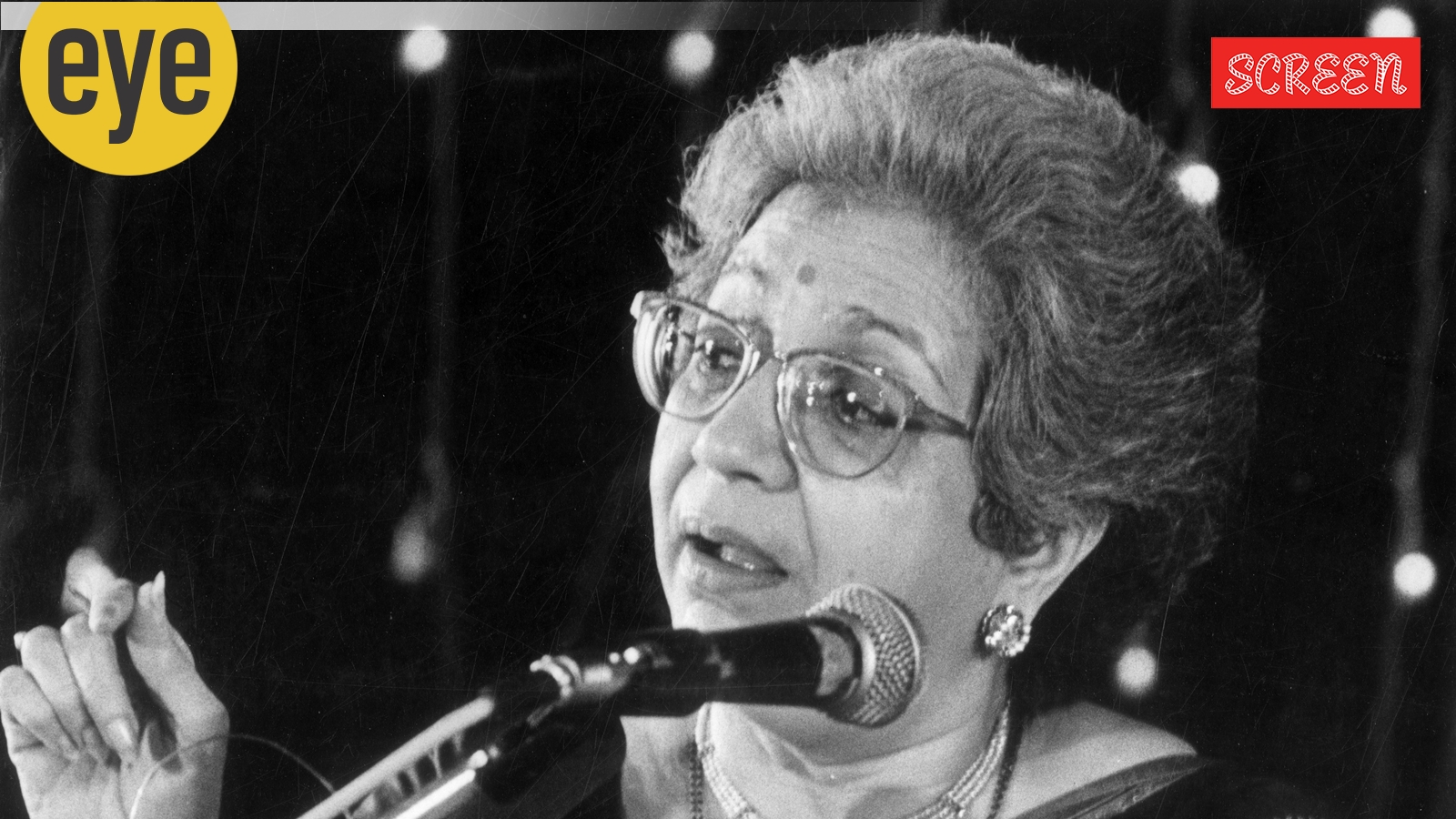
4 min readJul 4, 2026 06:48 AM IST
First published on: Jul 4, 2026 at 06:48 AM IST
With the passing of Vijaya Mehta or Vijaya Bai (at 92), as we knew her, Indian theatre has lost not only a great director, actor and thinker, but also a teacher whose quiet presence opened up a new world of theatrical understanding.
I had the opportunity of training under Vijaya Bai in 1995, under the Young Directors Scheme by the Sangeet Natak Akademi, Delhi. Emerging theatre directors from across the country were selected for a month-long residential workshop at Sanskriti enclave in Delhi. Chari bhai from Vadodara and I, from Ahmedabad, were among those selected from Gujarat.

The workshop had been designed in week-long modules by director B V Karanth. Around 30 young directors trained under some of the most significant names of the time, including Vijaya Mehta, K N Panikkar, Habib Tanvir and the younger Anamika Haksar. Each of them brought a distinct artistic universe. Listening to their journeys, inquiries, understanding of performance and reading of the theatre scenario in India, gave us lifelong learning.
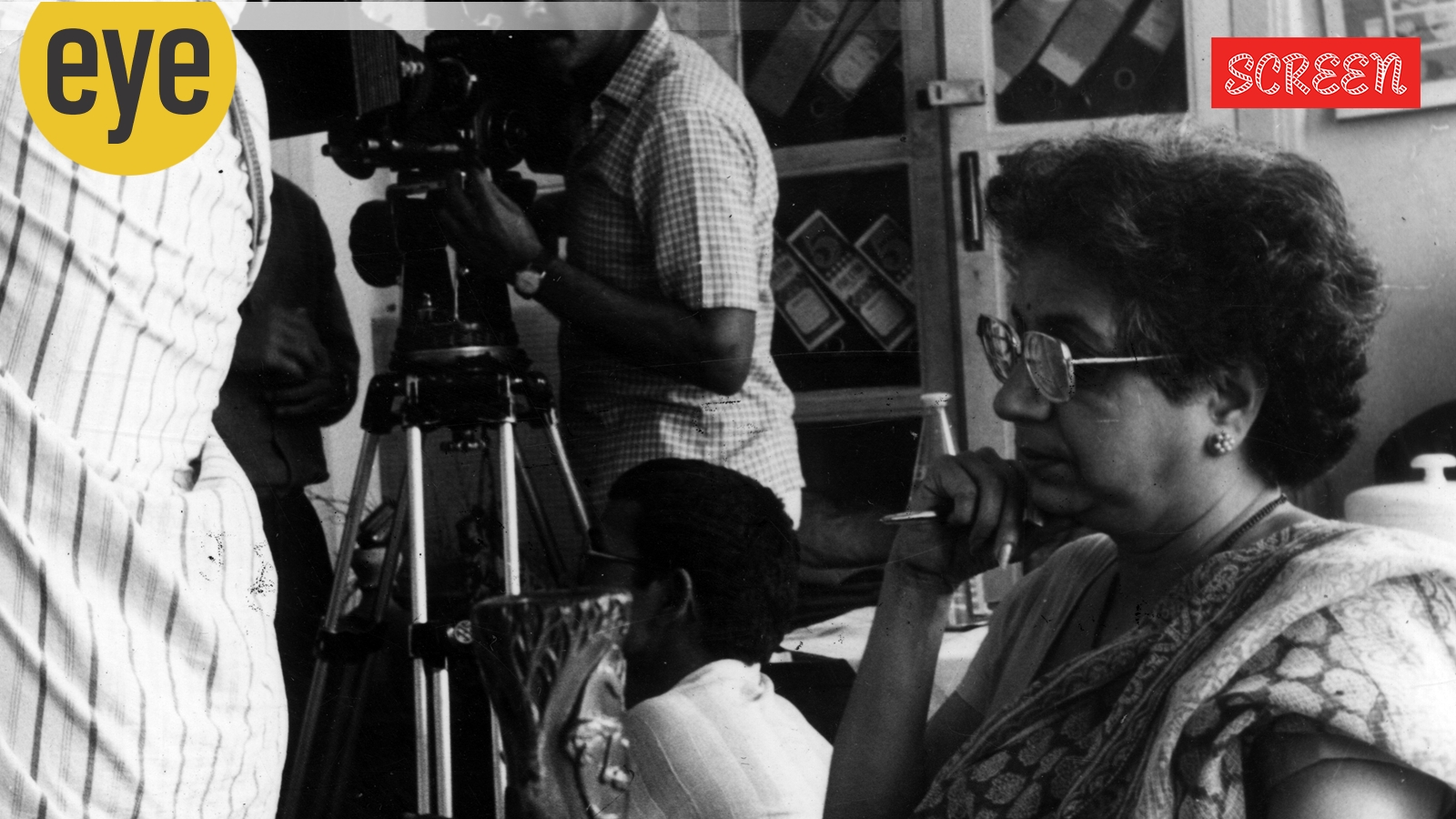 Vijaya Mehta on the set of Jeevan Rekha. (Express archive photo)
Vijaya Bai’s focus was realism. She spoke to us about her work on Wada Chirebandi (Old Stone Mansion), Mahesh Elkunchwar’s seminal Marathi play, which she had directed in 1984. The play, a landmark of modern Indian theatre, explores the decay of a feudal joint-family system in rural Maharashtra. What stayed with me was Vijaya Bai’s process of entering its world. She spoke about studying the rural context, observing each character, understanding mannerisms, silences and movements. She believed that a realistic production should make the audience feel they were watching life through a keyhole. Her intimate, truthful, detailed approach still remains with me.
Also Read – Vijaya Mehta gave my words a stage, my creativity a home
This was our first close encounter with realism as a living practice. We had read Konstantin Stanislavski and other theories. But when the veteran director spoke about space, gesture, stillness, the movement of actors, the rhythm of domestic life and the smallest habits of a character, the theory came alive. My own training had been shaped by abstract and stylised theatre, first through the work of my father, Hasmukh Baradi and, later, through my own engagement with dance, movement and non-realistic forms. Vijaya Bai opened up a different world that was theatrical but built with restraint.
There was also a personal warmth in our relationship. I was around the same age as her daughter Anahita. Perhaps that’s why Vijaya Bai took a liking to me. I found in her a teacher and a mentor. Later, whenever I visited Mumbai, I met her at the National Centre for the Performing Arts, where she was director.
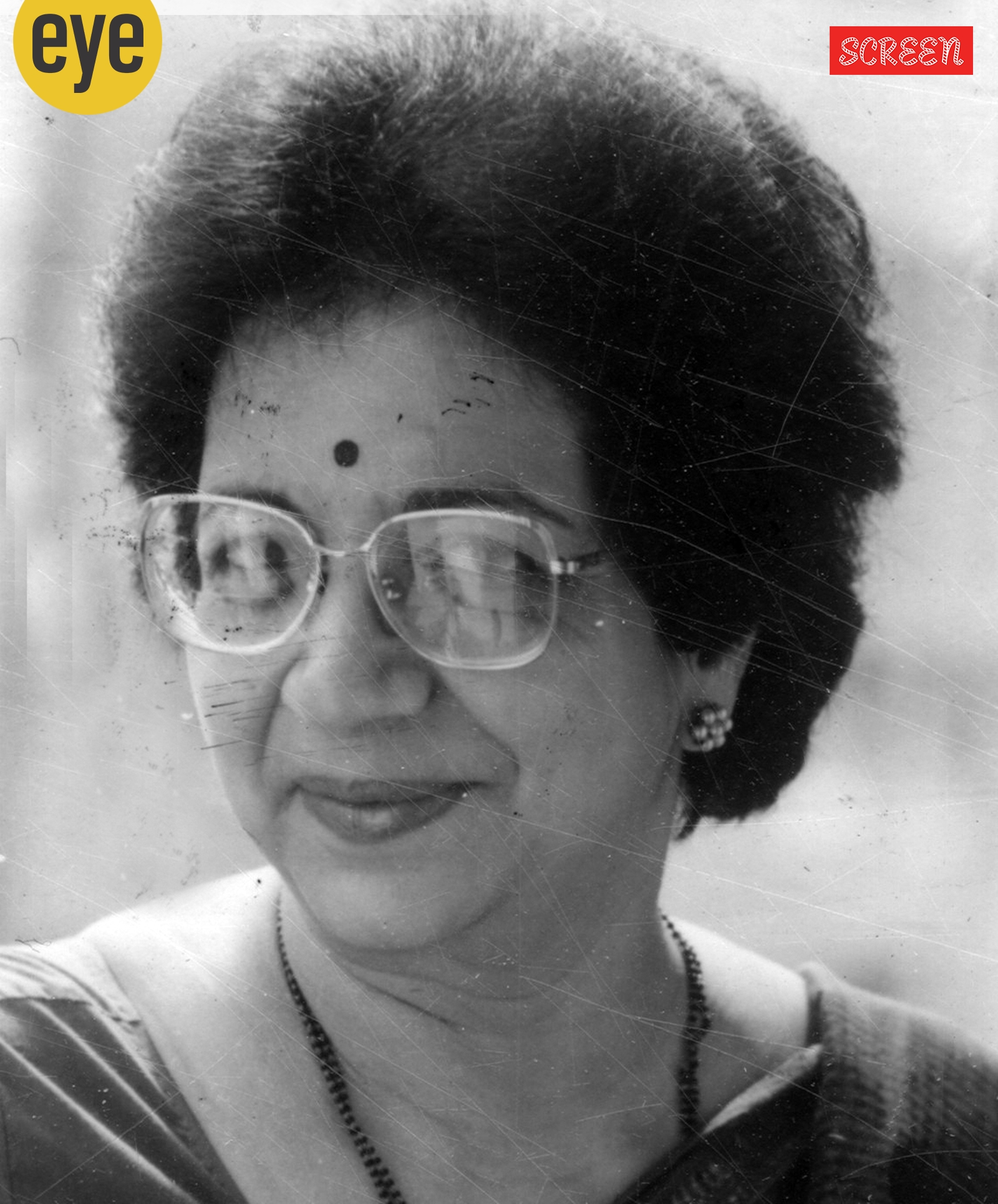 Vijaya Mehta belonged to a generation that shaped modern Indian theatre with seriousness, rigour and grace. (Express archive photo)
Conversations with her were deeply formative. She spoke about the need for theatre spaces to be designed with care and about the backstage being as important as the stage. Artists, she would say, need quiet, dignity and preparation before they can enter their roles. That insight has stayed with me.
Vijaya Bai belonged to a generation that shaped modern Indian theatre with seriousness, rigour and grace. She raised the standards of those who came near her, often without raising her voice. For me, she will remain the teacher who showed that theatre lives in the details, spaces, discipline and in the invisible preparation behind a visible performance. We will miss you, Vijaya Bai. Rest well.
Manvita Baradi is an architect, urban planner and theatre practitioner.