Prateek Tanmay
6 min readNew DelhiJul 21, 2026 11:00 PM IST
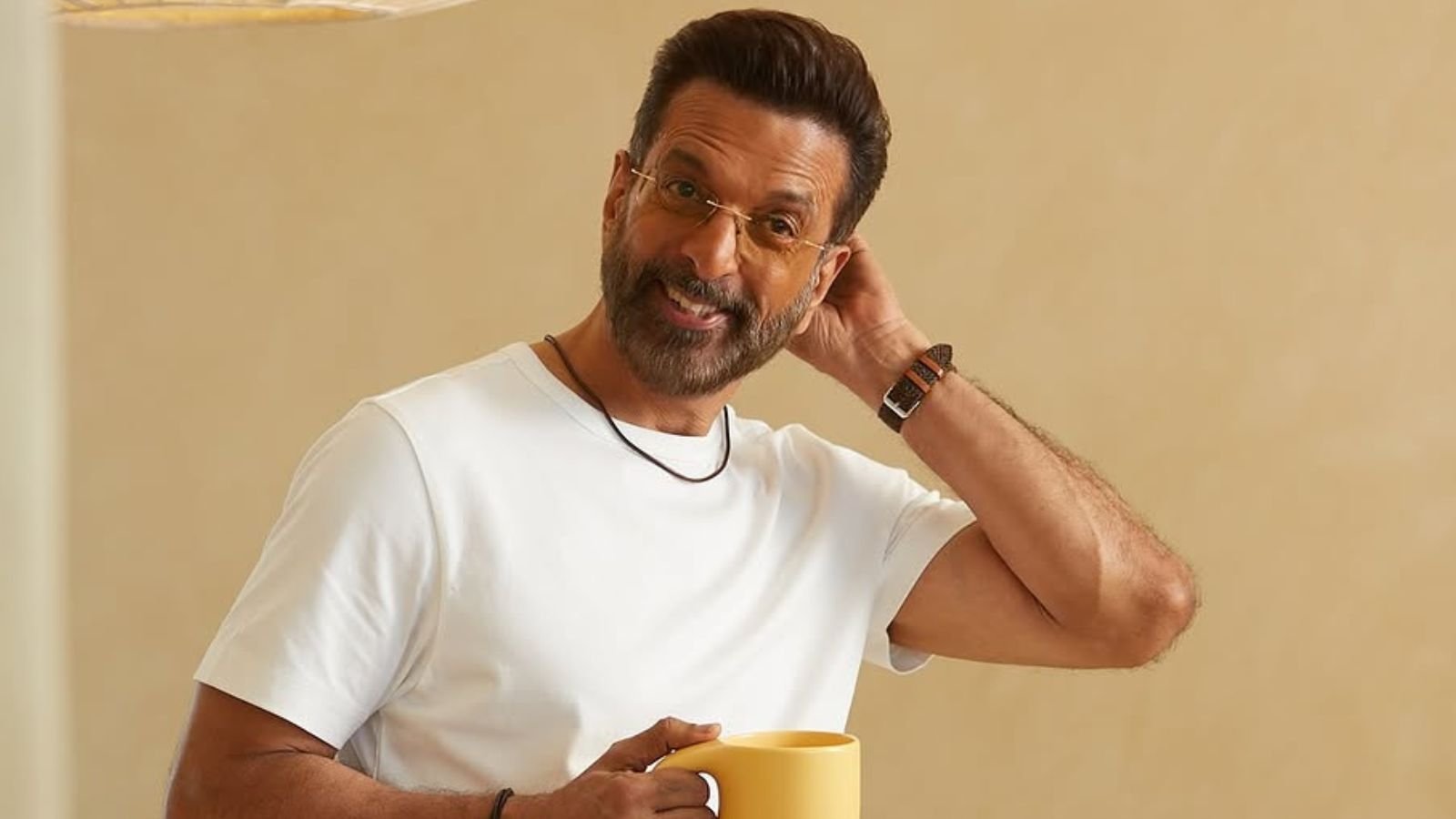
In a conversation with Radhika Gupta on the YouTube channel 100 Year Life Project by ACKO, actor R Madhavan reflected on the values he consciously tried to instil in his son, Vedaant Madhavan, who is pursuing his dream of winning an Olympic medal for India.
Speaking about his parenting approach, Madhavan said, “One of the most important skills a child should have is the attitude of gratitude. Although we came from a very middle-class background, I was able to afford everything Vedant wanted because of the kind of success God bestowed upon me. But I also realised that came with its own set of challenges.” He added, “I realised there were two things I needed to teach Vedaant. One was the attitude of gratitude. It’s very important for children to know that they are privileged because somebody else has worked their backside off to give them this lifestyle.”

DISCLAIMER: This article is based on information from the public domain and/or the experts we spoke to.
To make the idea more tangible, he shared, “Sometimes I would tell him the salary of my cook and say, ‘Do you know what this toy you’ve been gifted costs? This man would have to work an entire year, living in that kitchen, to afford even a part of it.’ That struck Vedant a lot.” Madhavan also emphasised treating everyone with dignity, saying, “The second thing I made sure Vedant did was acknowledge everyone — the liftman, the guard, the drivers, the ayahs. I told him not to address them casually but respectfully, as didis and bhaiyas.” He explained, “It’s not just about good manners. It’s about situational awareness. I wanted my child to be aware of where he is, who he’s dealing with, and to greet people who may not have as much money.”
Recalling moments that reassured him as a parent, he said, “If the watchman came and said, ‘Your son is a very polite child. He always says namaste to me,’ I felt my job was well done.” He further noted, “I can’t tell you how many times that has stood him in good stead and helped when he really needed it. People remember him because he’s far more polite than most others. It helps to get noticed in today’s world.”
Madhavan also spoke about another lesson that influenced his parenting. Recalling advice from a family he lived with while studying in Canada, he shared, “She gave me one piece of advice that I followed wholeheartedly, and it really worked for my son. She said, ‘Don’t give your child free time.’” Elaborating on what he meant, he said, “Indulge them in whatever they want to do. The interests will change; the level of commitment will change, but make sure they don’t have free time till they’re 15 or 16. Let them move from one activity to another.”
However, he stressed that these activities should remain enjoyable: “It should be fun. It shouldn’t be a chore because the child is going to hate it. Whether it’s basketball, tennis, golf, kabaddi, spending time with the staff’s children or even learning how to make dough—just make sure their time is filled.” According to Madhavan, keeping children meaningfully engaged can leave less room for unhealthy influences during adolescence.
Story continues below this ad
But how well do these parenting strategies align with what child psychology and developmental science recommend? We asked an expert.
Gratitude begins with awareness
Counselling psychologist Athul Raj tells indianexpress.com, “Children don’t develop gratitude because we ask them to say ‘thank you’. They develop it when they begin to notice the people and the effort behind the life they enjoy. That’s why conversations about money should never stop at how much something costs. They should also include what it takes to earn it and the invisible labour that makes our daily lives comfortable. In many Indian homes, children are constantly watching how adults speak to domestic workers, drivers, security guards or the person collecting the garbage. Those moments teach them far more than a lecture on values ever will.”
How everyday respect shapes lifelong values
Raj mentions, “I often tell parents that children are studying them all the time. They notice who gets your patience, who gets your respect and who gets ignored. A child may forget many of the values you tried to teach, but they rarely forget the values you practised. When a parent greets a security guard by name or thanks someone who works in the house, the child learns that respect is not reserved for people with power or influence. That shapes empathy because they begin seeing people as individuals rather than by their occupation or social status. It also builds emotional intelligence by helping children understand that small interactions have an emotional impact.”
These everyday moments quietly influence the kind of friend, partner, colleague and leader a child eventually becomes. Respect that is practised consistently across social differences becomes part of a child’s character, not just their manners.
Story continues below this ad
Why boredom isn’t the enemy
Click below to reveal the expert’s answer:
Should children always stay busy, or is boredom actually good for them?
Raj states that meaningful activities are important because they help children build confidence, discipline and a sense of purpose. But there is a difference between a child being engaged and a child being constantly occupied. Many parents become uncomfortable the moment a child says, “I’m bored,” and rush to fill that space. Yet boredom is not always something that needs fixing. Very often, it is where imagination begins.
“When children are left with some unstructured time, they learn to tolerate frustration, entertain themselves, make decisions and discover what genuinely interests them instead of waiting to be directed. If every minute is planned, children may become high achievers but struggle when life doesn’t provide structure. Healthy development comes from balancing opportunities to learn with opportunities to simply think, explore and be. Children need both guidance and space, because independence grows in the moments when adults step back,” concludes Raj.
DISCLAIMER: This article is based on information from the public domain and/or the experts we spoke to.