Prateek Tanmay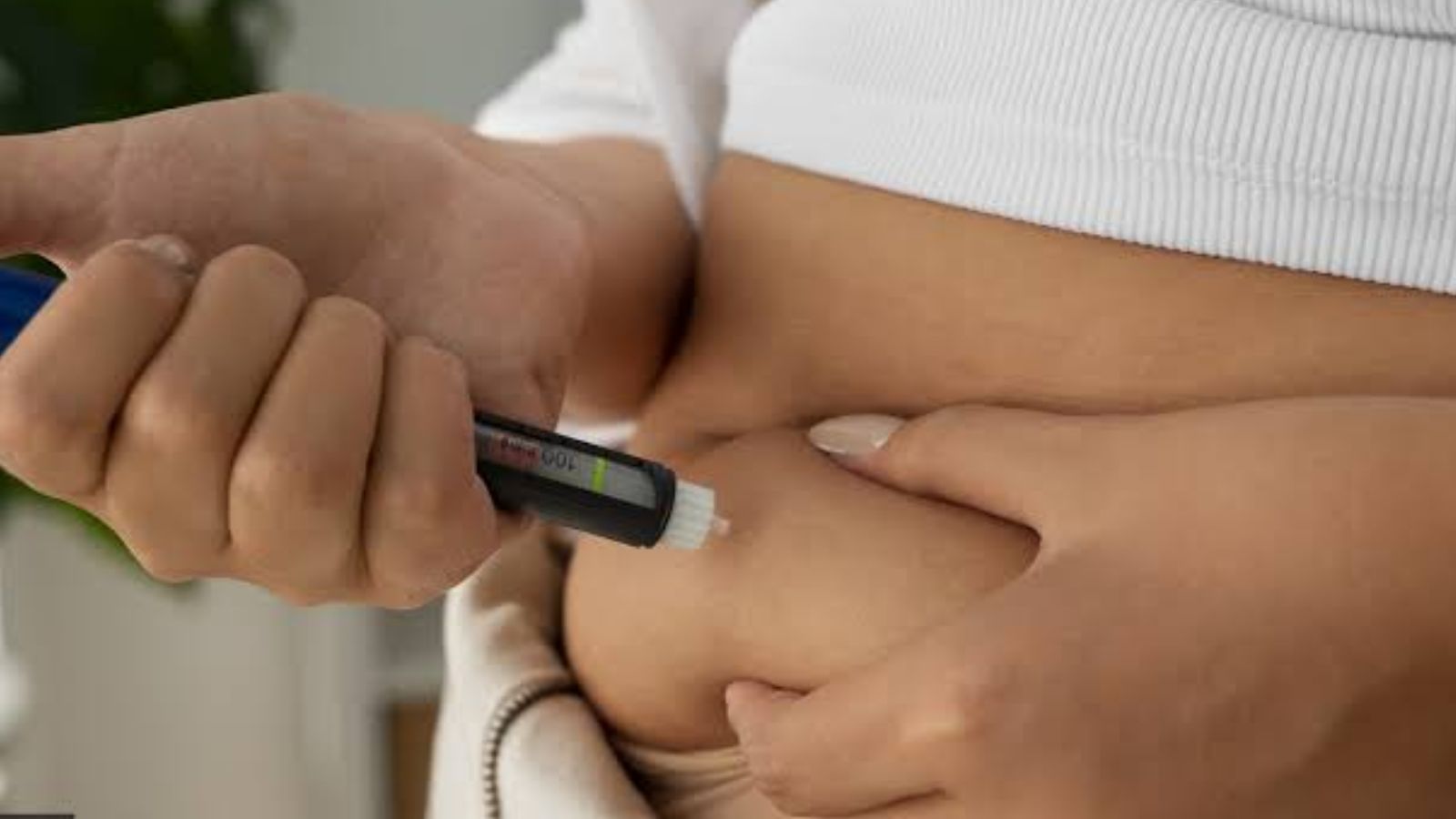
5 min readUpdated: Jun 8, 2026 07:35 AM IST
Pharmaceutical giant Pfizer has unveiled encouraging mid-stage trial results for berobenatide, an experimental anti-obesity and diabetes drug designed to be taken just once a month. If approved, it could become the first GLP-1 weight-loss therapy (which mimics the gut hormone GLP-1 to regulate blood sugar, slow stomach emptying and reduce appetite) to be administered as a once a month injection instead of weekly jabs. This is a potential game-changer in a market currently dominated by Novo Nordisk’s Wegovy and Eli Lilly’s Zepbound.
“This is encouraging because it is more convenient to use. Patients may, therefore, comply with dosage much more easily. But we need to see the complete drug development, its final results and more importantly see how berobenatide works on the Indian body type,” says Dr V Mohan, Chairman, Dr Mohan’s Diabetes Specialities Centre Chennai.

Why is everyone talking about it?
The excitement is not just about weight loss. It is about convenience. Current blockbuster obesity drugs typically require weekly injections. Pfizer’s candidate aims to reduce that burden dramatically. Patients would initially receive weekly doses before transitioning to a single injection every month.
For people managing obesity as a chronic condition, that means 12 injections a year instead of 52. In a mid-stage clinical study known as VESPER-3, Pfizer reported that patients without diabetes lost up to 12.3% of their body weight. Importantly, those who switched to monthly dosing continued to lose weight rather than hitting a plateau.
Wegovy (semaglutide) produced about 15% average weight loss in its pivotal late-stage STEP 1 trial over 68 weeks. Zepbound (tirzepatide, which has GIP hormone along with GLP-1) has shown even greater weight loss, averaging around 20% or more in some late-stage studies.
The science behind the monthly shot
At first glance, a monthly injection may sound surprising. After all, the natural GLP-1 hormone survives in the body for only a few minutes before it is broken down. Drug developers overcome this limitation through sophisticated molecular engineering, ensuring the modern GLP-1 medicines are modified so that they remain in circulation for much longer. Scientists alter parts of the molecule to make it resistant to breakdown, attach fatty acid chains that allow it to bind to blood proteins, or fuse it with larger proteins that slow its clearance from the body. The result is a drug that stays active for weeks rather than minutes.
Pfizer says berobenatide has an ultra-long half-life, allowing it to maintain a steady effect throughout the month.
Story continues below this ad
Why fewer injections matter
One of the biggest challenges in obesity treatment is long-term adherence. Many patients discontinue treatment because regular injections can be inconvenient, expensive or psychologically burdensome. A monthly schedule could make therapy easier to sustain over years.
Experts believe that reducing the frequency of injections may improve patient compliance, which is crucial because obesity is increasingly viewed as a chronic disease requiring long-term management rather than a short-term weight-loss intervention.
What about side effects?
Like other GLP-1 drugs, berobenatide can cause gastrointestinal side effects such as nausea and vomiting. Pfizer’s latest data suggest that the overall side-effect profile is broadly comparable to existing treatments. In the VESPER-3 study, the average nausea rate was about 38 per cent, while vomiting occurred in roughly 23 per cent of participants.
That places the drug in a range similar to currently approved therapies. In Novo Nordisk’s Wegovy trials, around 44 per cent of participants reported nausea and roughly one-quarter experienced vomiting.
Story continues below this ad
Pfizer executives say most side effects were mild and tended to occur shortly after dosing rather than persisting throughout the month. Researchers did observe a temporary increase in adverse events when patients transitioned from weekly to monthly injections, prompting the company to adopt a more gradual dose escalation strategy in future studies.
What happens next?
The latest results come from a mid-stage trial, meaning the drug still faces larger and longer late-stage studies before it can seek regulatory approval. Those trials will focus on three crucial questions: how much weight patients ultimately lose, how durable that weight loss remains over time, and whether side effects stay manageable in broader populations.
If the results hold up, Pfizer could offer something its rivals currently do not — a monthly GLP-1 injection that delivers weight loss comparable to weekly therapies while requiring far fewer injections.