Prateek Tanmay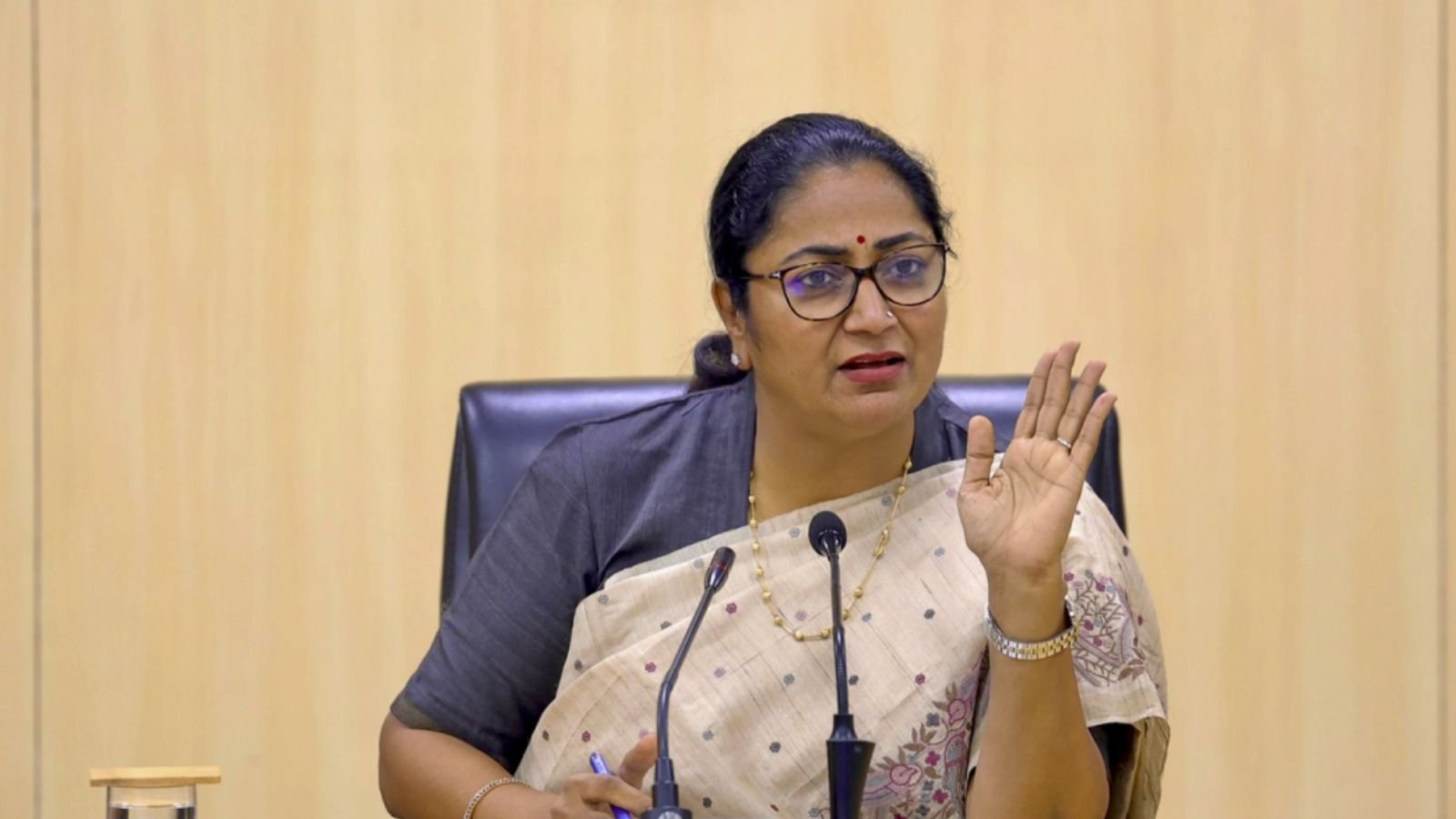
4 min readNew DelhiJul 29, 2026 02:51 AM IST
The BJP government in the Capital moved a step closer to delivering its key poll promise in the last Assembly elections as the Cabinet on Tuesday cleared the ‘Delhi Lakshmi Yojana’ that offers a monthly assistance of Rs 2,500 to women from Economically Weaker Sections (EWS). However, unlike similar schemes rolled out by several states, this one comes with a detailed set of eligibility conditions, exclusions and guidelines on how the assistance can be used.
The scheme is expected to benefit about 17 lakh women in the city, according to officials. A budget allocation of Rs 5,110 crore was made for this scheme in the budget 2026-27.

According to information shared by the Chief Minister’s Office, the scheme will cover eligible women between 21 and 60 years of age whose family income is up to Rs 2.50 lakh per annum. Women with more than three children won’t be able to avail the benefits.
The eligible women will not get cash in hand. Rather, they can avail the aid in two ways — invest the entire amount in Recurring Deposit (RD) or Fixed Deposit (FD) accounts or save Rs 1500 and get remaining. But that too will be credited through digital rupee wallet.
“The registration portal for the scheme will be launched from August 1. The government aims to release the first instalment on the occasion of Raksha Bandhan on August 28 to eligible beneficiaries,” announced Chief Minister Gupta after the Cabinet meeting.
She added, “The scheme would usher in a new chapter of self-reliance for lakhs of women. The Delhi government has fulfilled this important promise made to women within just over a year of assuming office.”
Two options to avail aid
Explaining about the two options to avail aid, a senior official said that it has been designed to give beneficiaries flexibility while encouraging both immediate financial support and long-term financial security.
Story continues below this ad
Women whose families require regular monthly expenditure can opt for the first model with Rs 1,000 credited every month into a Central Bank Digital Currency (CBDC) wallet for day-to-day household needs, while Rs 1,500 simultaneously invested in a recurring deposit (RD) or fixed deposit (FD) account. “This ensures that alongside meeting immediate needs, beneficiaries also build a savings corpus over time,” the official explained.
“Alternatively, beneficiaries who wish to maximise their long-term savings may choose to receive the entire Rs 2,500 every month in an RD or FD account. This option allows them to accumulate a larger amount with interest over the duration of the scheme.
What’s not allowed
CBDC Wallet, officials said, has been designed to ensure that government assistance is utilised for constructive household expenditure and not for “socially undesirable purposes”.
Accordingly, the wallet will be configured with a negative list, which digitally blocks transactions relating to specified categories of goods and services, the officials added.
Story continues below this ad
As per the guidelines, the amount available in the CBDC Wallet cannot be used for the purchase of alcoholic beverages, tobacco products, narcotic drugs and psychotropic substances, lottery tickets, gambling and betting services and any other goods or services prohibited by the Government from time to time, said officials. “The restrictions are enforced technologically through the CBDC platform itself, meaning transactions falling under these prohibited merchant categories will not be permitted. All other legitimate day-to-day household purchases and permitted goods and services can continue to be made using the wallet,” said an official.
Another official said, “This innovation combines financial assistance with responsible utilisation of public funds and is one of the distinguishing features of the Delhi Lakshmi Yojana.”
While the government has shortlisted banks, it will pick the bank giving the highest interest rate on RD and FD accounts, said sources, and accounts will be opened in the name of the beneficiary.
The scheme will initially be implemented for three years from the date it comes into effect. It may thereafter continue with suitable modifications, Gupta said.
Story continues below this ad
Gupta said that the entire application process will be conducted online through the Delhi Lakshmi Yojana portal. “A transparent district-level mechanism has been put in place for the scrutiny of applications, final approval and the speedy redressal of grievances,” said CM.