Prateek Tanmay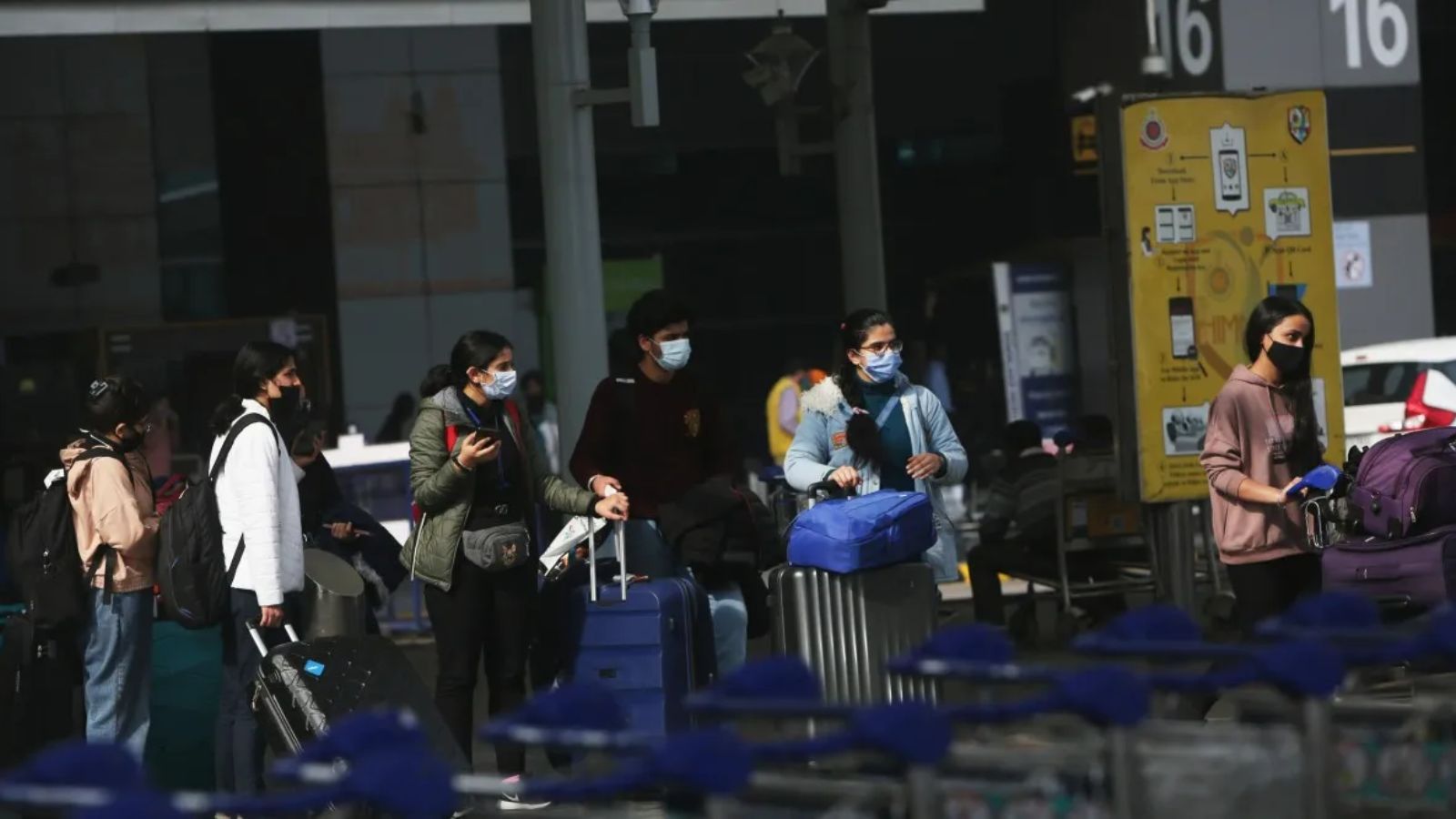
The latest report of the Civil Registration System (CRS), which maps Indian births and deaths, offers a rare glimpse into where Indians are building families abroad and where the country’s overseas community is ageing.
In 2024, Indian missions in 182 locations across 140 countries registered 66,413 births and 11,383 deaths of Indian nationals.
The United Arab Emirates remains the largest centre for Indian families overseas. Between the consulates in Dubai and Abu Dhabi, Indian missions registered 19,317 births during the year, far more than any other country. The missions recorded 2,571 deaths, reflecting the country’s large Indian population, and the volume of births underlines the Middle East’s continued appeal among young Indian families.
The United Kingdom also stands out. Across Indian missions in London, Birmingham and Edinburgh, 12,896 births were registered. In contrast, only 329 deaths of Indian nationals were recorded across these three missions. The wide gap between births and deaths reflects the steady growth of young Indian professionals and students settling in Britain.
The data also points to a continued shift towards continental Europe and Australia as destinations for young Indian expatriates. Australia registered 3,093 births across Canberra, Melbourne and Perth, and 118 deaths.
Indian communities are expanding in several European countries. The four Indian missions in Germany – in Berlin, Frankfurt, Hamburg, and Munich – registered 2,558 births, and recorded 137 deaths. Italy followed, with Rome and Milan missions registering 2,455 births and 374 deaths.
One of the more unusual trends emerges from North America. Indian missions in the United States and Canada registered far more deaths than births.
Story continues below this ad
Across the US missions in New York, San Francisco, Atlanta and Washington DC, a total of 648 deaths were recorded, compared with just 31 births. San Francisco alone accounted for 304 deaths and 13 births.
The trend is similar in Canada. Across Ottawa, Toronto and Vancouver, Indian missions registered 388 deaths and only 15 births. The difference is largely explained by local citizenship laws. Children born in the United States and Canada automatically acquire citizenship at birth and are therefore rarely registered as Indian nationals at Indian missions. The higher number of deaths is likely to reflect an ageing diaspora, including early immigrants and elderly parents visiting family members, whose deaths are registered for repatriation or legal formalities in India.
The Gulf countries continue to attract young Indian families and the data reflects the large migrant workforce in the region. The two Indian missions in Saudi Arabia at Riyadh and Jeddah registered 4,200 births, but also recorded the highest number of deaths of Indians in any country at 2,629. The Indian missing in neighbouring Kuwait registered 2,797 births and 733 deaths.
The gender profile of deaths also reflects the nature of Indian migration abroad. Indian missions recorded 8,845 male deaths compared with 1,854 female deaths. Birth registrations, by comparison, were more evenly split, with 21,190 males and 20,024 females.
Story continues below this ad
North America is not the only region where deaths of Indians outnumber births. In Malaysia, Indian missions registered 526 deaths against 423 births, pointing to an older, established community or a higher mortality rate among migrant workers.
Interestingly, five years back, in 2019, 161 Indian missions registered 46,475 births of Indian citizens abroad. By 2024, the number had risen to 66,413, an increase of 42.9 per cent. The rise reflects the growing number of young Indian professionals and workers starting families in destinations such as the Middle East, the United Kingdom and continental Europe.
The number of registered deaths abroad also increased from 7,428 in 2019 to 11,383 in 2024, a rise of more than 53 per cent. The increase points to both an ageing overseas Indian community in the West and the expanding Indian workforce in the Gulf.