Prateek Tanmay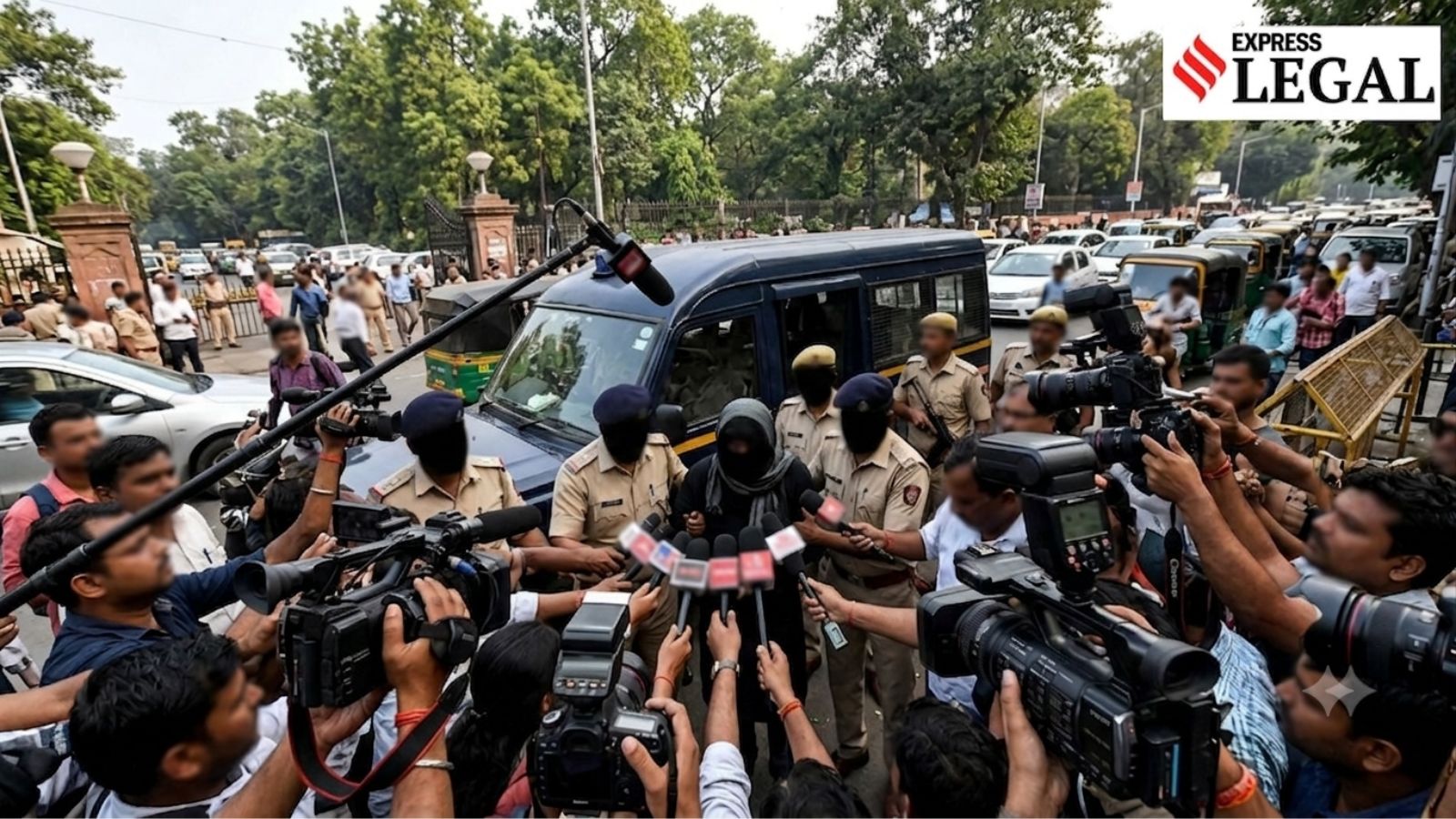
Calling an accused a “mastermind”, “kingpin” or “scamster” before a court has determined the person’s guilt amounts to pre-judging a criminal case, the Patna High Court has held, directing print, electronic, digital and social media platforms to refrain from such reporting while making it clear that fair, factual and objective coverage of court proceedings and investigations can continue.
Justice Ansul was hearing a petition filed by one Rishu Shree seeking the quashing of criminal proceedings arising out of a case registered by the Special Vigilance Unit (SVU) in 2025. However, the court underscored the importance of press freedom in democracy and clarified that there was no gag on media reporting.

“Maligning the image of a person who is yet to be held guilty may come within the ambit of defamatory act, immoral act or even an indecent act. This is pre-judging the issue when the matter is subjudice,” the court said on June 24, balancing the constitutional guarantee of a free press with an accused’s right to a fair trial.
The case assumes significance at a time when high-profile investigations routinely dominate television debates and social media timelines, raising questions over where legitimate reporting ends and “trial by media” begins. The high court’s order seeks to answer that question by permitting factual reporting while prohibiting language that attributes criminal guilt before judicial determination.
The court also dealt with an interlocutory application complaining that extensive television, newspaper, digital and social media coverage had portrayed the petitioner as guilty even before the commencement of the trial. It directed that the media shall not “use expressions imputing guilt like mastermind, scamster, kingpin or equivalent description conveying criminal responsibility.”
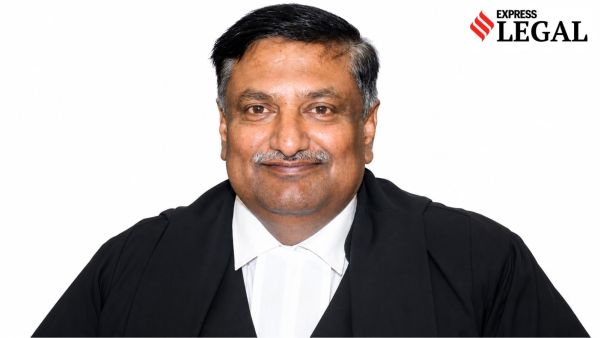 Justice Ansul said the freedom of the press cannot extend to pre-judging criminal liability.
The petition challenged criminal proceedings arising out of a First Information Report (FIR) registered by the SVU on April 30, 2025. During the hearing, the counsel for the Enforcement Directorate (ED) pointed out that although the agency had been impleaded in an earlier connected writ petition, it had not been made a party in the present proceedings. The high court directed the petitioner to implead the ED as a respondent and granted time to both the ED and the SVU to file counter-affidavits.
Significantly, the court directed the SVU to explain why the raids in question were conducted more than a year after FIR registration.
Story continues below this ad
Extensive ‘media trial’: Petitioner
Appearing for the petitioner, senior advocate Nandita Rao and advocate Arshdeep Khurana submitted that although the FIR had been lodged in April 2025, searches were conducted only on May 27, 2026, when the petitioner was arrested. The ED was represented by special counsel Zohaib Hossain.
Rao argued that in the raid, nothing incriminating was found against him. Still, after the arrest, various television channels, newspapers, online news portals, and social media handles commenced extensive and lurid coverage of the case, broadcasting one-sided narratives, unverified allegations and prejudicial content that portrays the petitioner as guilty even before commencement of trial.
“Several prime-time news debates were conducted by prominent TV anchors, during which the petitioner was condemned, vilified, and subjected to public humiliation without any opportunity to present his side. Such coverage has a direct effect of influencing public opinion against the petitioner, prejudicing the minds of potential witnesses and creating an atmosphere inimical to a fair trial,” added the counsel.
The plea argued that such reporting had influenced public opinion, prejudiced potential witnesses and created an atmosphere hostile to a fair trial.
Story continues below this ad
Observations
Justice Ansul examined several reports placed before the court, including those mentioning the petitioner’s alleged links, and observed that such reporting, amplified through television and social media, had the effect of declaring the petitioner guilty before any trial had commenced. Clarifying that it was not imposing censorship, the high court reaffirmed the importance of a free press in a democracy. Referring to Indian Express Newspapers Private Limited v Union of India and LIC v Manubhai D Shah, the court said the dissemination of news and views remains a constitutional value.
It came on record that a media report in connection with the case carried the heading “Bihar’s curious case of an indispensable engineer: What an ED probe found”. Another reportedly stated, “Bihar Police searches houses of two IAS officers over tender scam”.
Another news item was stated to have carried a photograph of the petitioner and it said: “Tender scam accused Rishu avoids direct answers, denies wrongdoing”. The court, therefore, said, “It is to be seen that these news items are not only in the mainline press or Television channels, but the social media platforms are flooded with news declaring the petitioner a guilty person without even initiation of the trial.”
“The petitioner may be accused of a serious case his rights to get a fair trial would not be ousted by the magnitude of the allegation i.e. levelled against him there are freedom of the press guaranteed under Article 19(1)(A) of the Constitution is subject to reasonable restriction under Article 19(2) in the interest state security, public order, decency, morality, defamation and incitement to an offence.
Story continues below this ad
SC rulings against ‘media trials’
The high court referred to a series of Supreme Court judgments warning against prejudicial reporting in pending criminal cases. It cited State of Maharashtra v Rajendra Jawanmal Gandhi (1997), where the apex court observed that “trial by press” is the antithesis of the rule of law.
The court also relied on M P Lohia v State of West Bengal (2005), which cautioned the media against presenting one-sided versions of matters that are sub judice, and Sahara India Real Estate Corporation Limited v SEBI (2012), recognising that courts may impose restrictions on publication in exceptional circumstances to protect the administration of justice.
Court’s directions: Dos and don’ts
- Having seen both sides of the coin, this court is clearly not in favour of a media gag over the issue. However, the court would certainly direct control over irresponsible reporting and imputation of guilt upon the petitioner without any initiation of a trial at all.
- Pending further hearing, the high court directed that all print, electronic, digital and social media platforms may continue reporting factual developments and court proceedings.
- However, they shall not describe the petitioner as guilty, portray him as having committed the alleged offences, publish or broadcast material determining criminal liability.
- They cannot use expressions such as “mastermind”, “scamster”, “kingpin” or similar descriptions conveying guilt, or conduct media trials based on alleged confessions, investigation material or unproved documents whose evidentiary value is yet to be tested.
- Fair, accurate and objective reporting of proceedings remains completely permissible.
- The directions apply equally to online news portals, podcasts, video-streaming services and social media platforms.
The matter has been listed for further hearing on July 10, 2026, when the court is expected to consider the counter-affidavits to be filed by the ED and the SVU.