Prateek Tanmay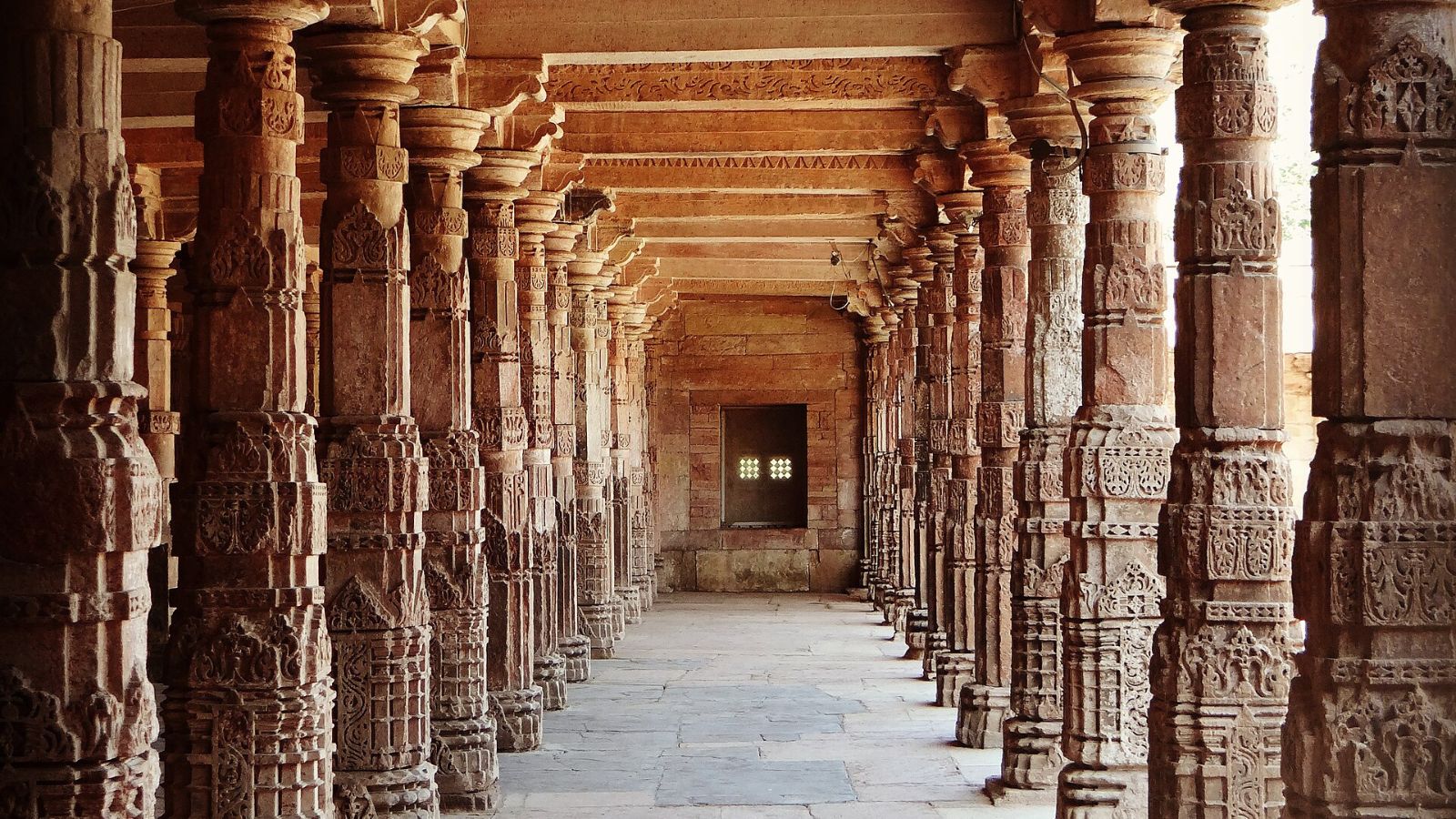
3 min readNew DelhiUpdated: Jul 22, 2026 01:18 PM IST
The Madhya Pradesh government assured the Supreme Court Wednesday that it will identify an alternative spot for Friday prayers closer to the disputed Bhojshala complex while responding to objections raised by the Muslim side regarding the site it allotted for namaz.
“I had a discussion with the authorities, and they are identifying… we are resolving the issue,” Solicitor General Tushar Mehta, appearing for the state government, told a three-judge bench headed by Chief Justice of India Surya Kant and comprising Justices Joymalya Bagchi and V Mohana.

On July 14, the Supreme Court refused to pass an order restoring status quo at the disputed complex in the Dhar district, but directed the state administration to allot an adjacent open space for Muslim worshippers to offer Friday prayers between 1 pm and 3 pm, while it examines the dispute in detail.
During Wednesday’s proceedings, Senior Advocate Huzefa Ahmadi, appearing for the Muslim petitioners, informed the bench that the site designated by the state administration was located nearly 2 km away from Bhojshala. Urging the court to hear an application filed in this regard at the earliest, Ahmadi pointed out that worshippers had already missed Friday prayers due to the distance.
Disputing the distance claim, Solicitor General Mehta stated that the allotted spot was approximately 900 metres from the complex. He assured the court, however, that he would personally coordinate with local authorities to find a location closer to the site.
“I have asked them to identify a nearby site, and the process is going on,” Mehta submitted.
CJI Surya Kant said the court would hear the application on Friday, directing the state government to locate a suitable adjacent site in the interim.
Story continues below this ad
Justice Bagchi said the court’s order be followed in letter and spirit. SG Mehta assured that it will be followed.
Background of the dispute
The medieval structure in Madhya Pradesh’s Dhar district has long been a subject of competing claims. While Hindus consider the Archaeological Survey of India (ASI)-protected complex a temple dedicated to Goddess Vagdevi (Saraswati), Muslims regard it as the Kamal Maula mosque.
Under a 2003 arrangement established by the ASI, Hindus were permitted to perform puja on Tuesdays, while Muslims offered Friday namaz.
In 2024, the Madhya Pradesh High Court ordered a scientific survey of the complex by the ASI, observing that its nature and character needed to be “demystified and freed from the shackles of confusion”. The subsequent ASI report noted that the existing structure incorporated architectural elements from earlier temples.
Story continues below this ad
On May 15, the High Court held that the complex holds the religious character of a temple, a ruling that is currently being challenged before the Supreme Court.