Prateek Tanmay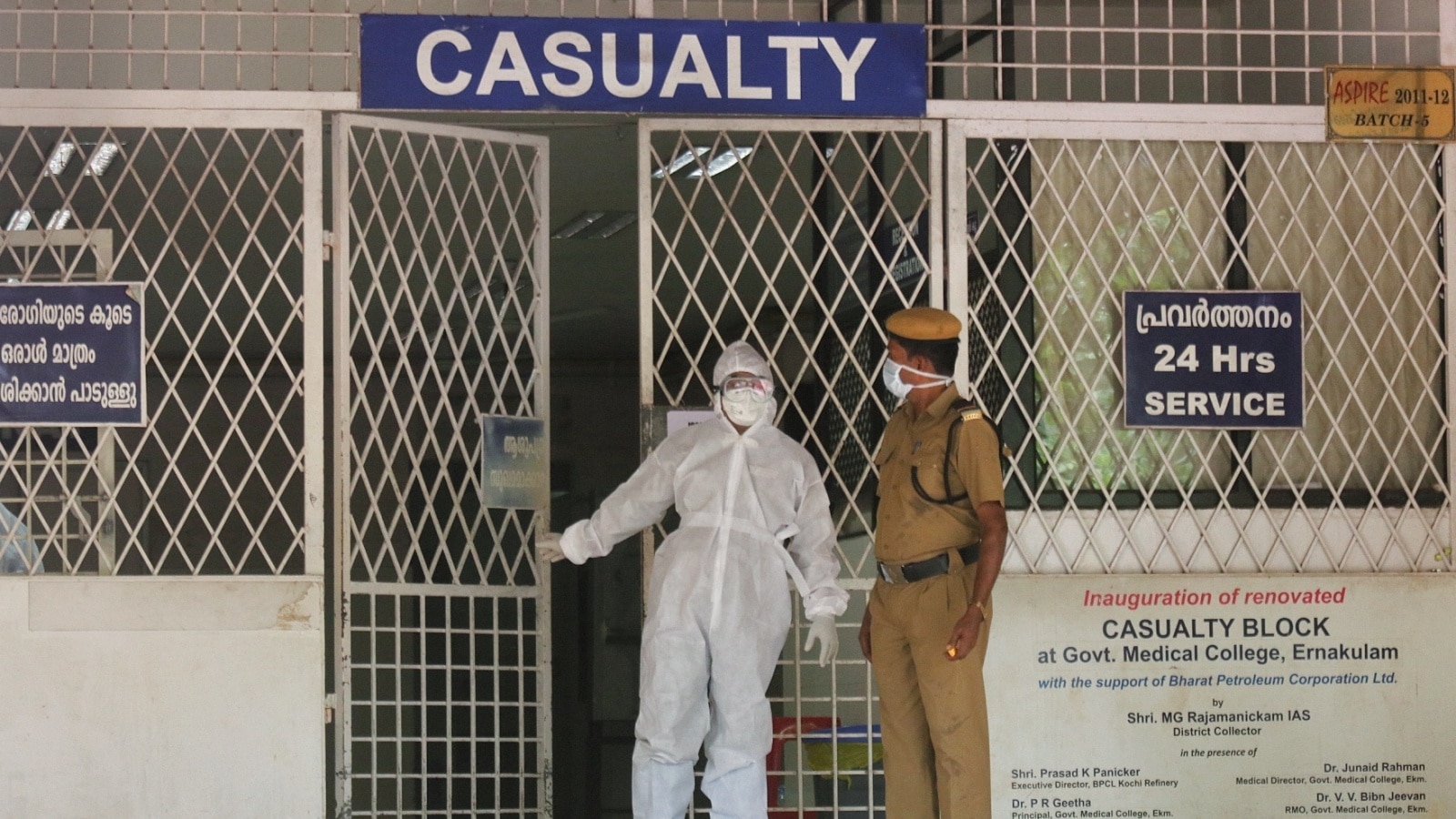
3 min readThiruvananthapuramUpdated: Jun 11, 2026 12:18 PM IST
A 43-year-old man was admitted to an isolation ward at the Government Medical College Hospital in Kerala’s Kozhikode on Wednesday night after initial tests indicated that he had contracted the Nipah virus. This is the first such case in the state this year.
A Health Department official said the man had developed symptoms of the infection a few days ago. While samples tested at a research and diagnostic lab in the Government Medical College have indicated Nipah, official confirmation must come from NIV-Pune, where the samples have been sent.

The Kerala Health Department has already activated all the protocols laid down for dealing with a Nipah outbreak, including the declaration of a containment zone and the isolation of primary contacts of the patient, officials said. People in Kozhikode’s Ramanattukara municipality have been advised to practise social distancing and wear masks at public places.
The patient is a trader whose godown is situated close to thick vegetation. According to Health officials, when the trader opened the godown after a long time, he saw a large number of fruit bats, which are considered the reservoir of the virus.
The severe zoonotic disease was first detected in Kerala in 2018, in Kozhikode district. Out of 18 cases that year, 17 died. In 2021, the state saw another outbreak, killing one person. In 2023, two Nipah deaths were reported in Kerala, and in 2024, there were two deaths. Last year, Kerala reported four cases of Nipah, out of which two patients died. The total death toll from the Nipah virus in Kerala since 2018 is 24.
All the outbreaks in Kerala were reported in the May to September period, which encompasses the main rainy season in the state. With other viral fevers and the flu also a common occurrence in this season, the early diagnosis of Nipah, which has similar initial symptoms, has been a challenge.
A study on the 2018 outbreak found that the index case was infected from bats, and the others from the hospital where the patient was admitted. The virus reported in Kerala belonged to a Bangladeshi strain, which is known for a mortality rate of up to 90%.
Story continues below this ad
A field survey conducted by the National Institute of Virology (NIV) and the National Institute of High Security Animal Diseases (NIHSAD) after the Nipah death in July 2024 indicated fruit bats as the source of infection. The presence of antibodies to the virus was detected in fruit bats’ samples collected from the village where the July victim lived. The minor boy had consumed a fruit from his neighbourhood, where fruit bats were known to be present.