Prateek Tanmay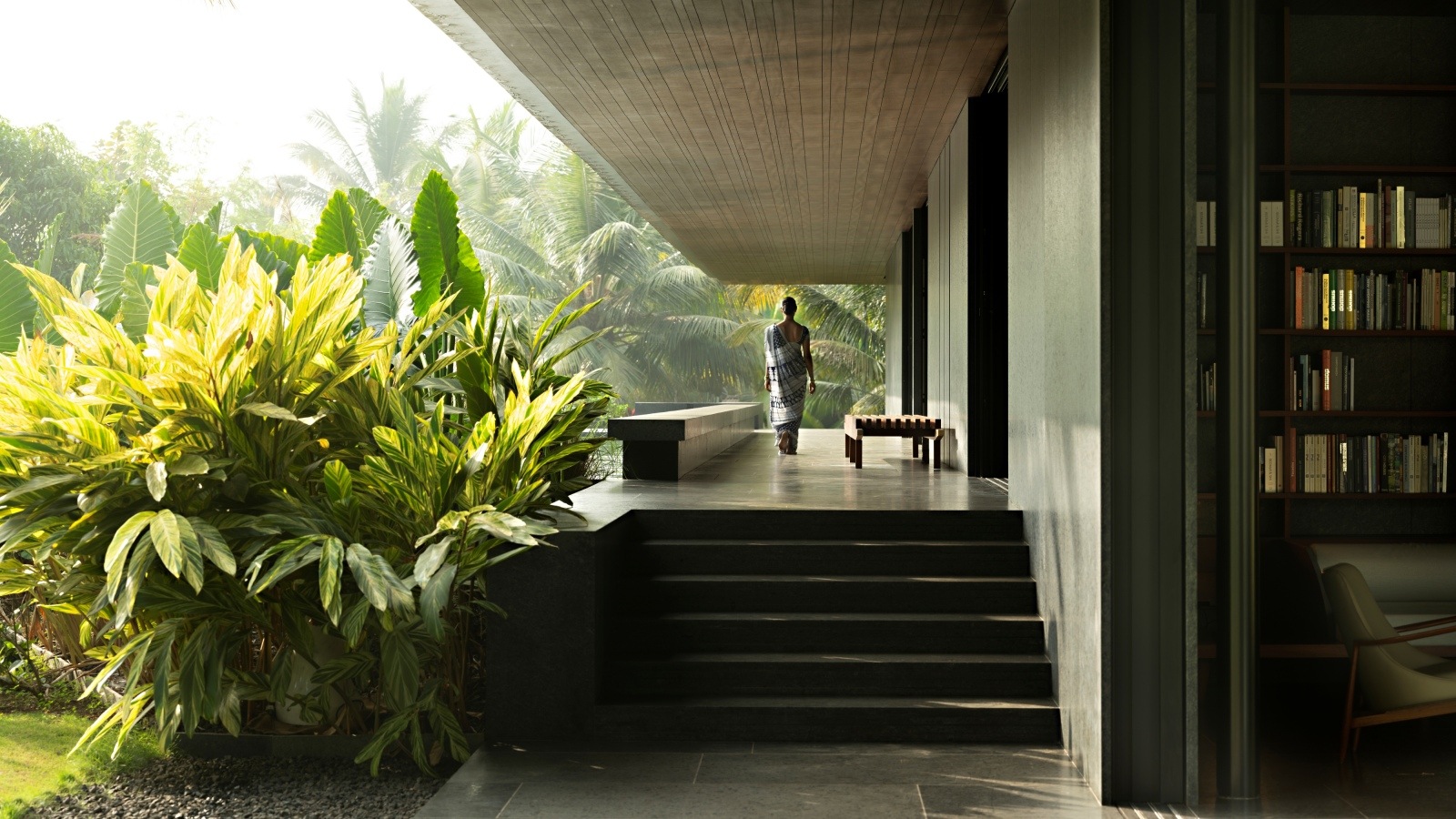
3 min readNew DelhiJun 11, 2026 07:25 PM IST
The Royal Institute of British Architects (RIBA) have announced the RIBA International Awards for Excellence 2026 which includes Indian architects and projects that have won this prestigious honour for innovation, response to climate and thoughtful design.
Among 34 winning projects from 15 countries, are India’s awardees: Parikrama, a house in Nandgaon, Maharastra, by Mumbai-based SPASM Design Architects; DY Patil Centre of Excellence in Navi Mumbai by international design firm, Foster + Partners; and Château de Beaucastel by Studio Mumbai + Studio Méditerranée (Courthézon, France), a renovation and extension of a 17th-century winemaking estate.

These winning projects are now in contention for the shortlist of the RIBA International Prize. The winner will be announced at the RIBA Stirling Prize ceremony on 15 October, at Old Billingsgate, London.
If architect Bijoy Jain’s Studio Mumbai and Louis-Antoine Grégo of Studio Méditerranée have been collaborating on the winemaking estate for nearly seven years to build a space that is not only regenerative but also context-sensitive, SPASM Design Architects designed a house for the tropical humidity of the Konkan coast, with deep overhangs and flexible indoor-outdoor spaces.
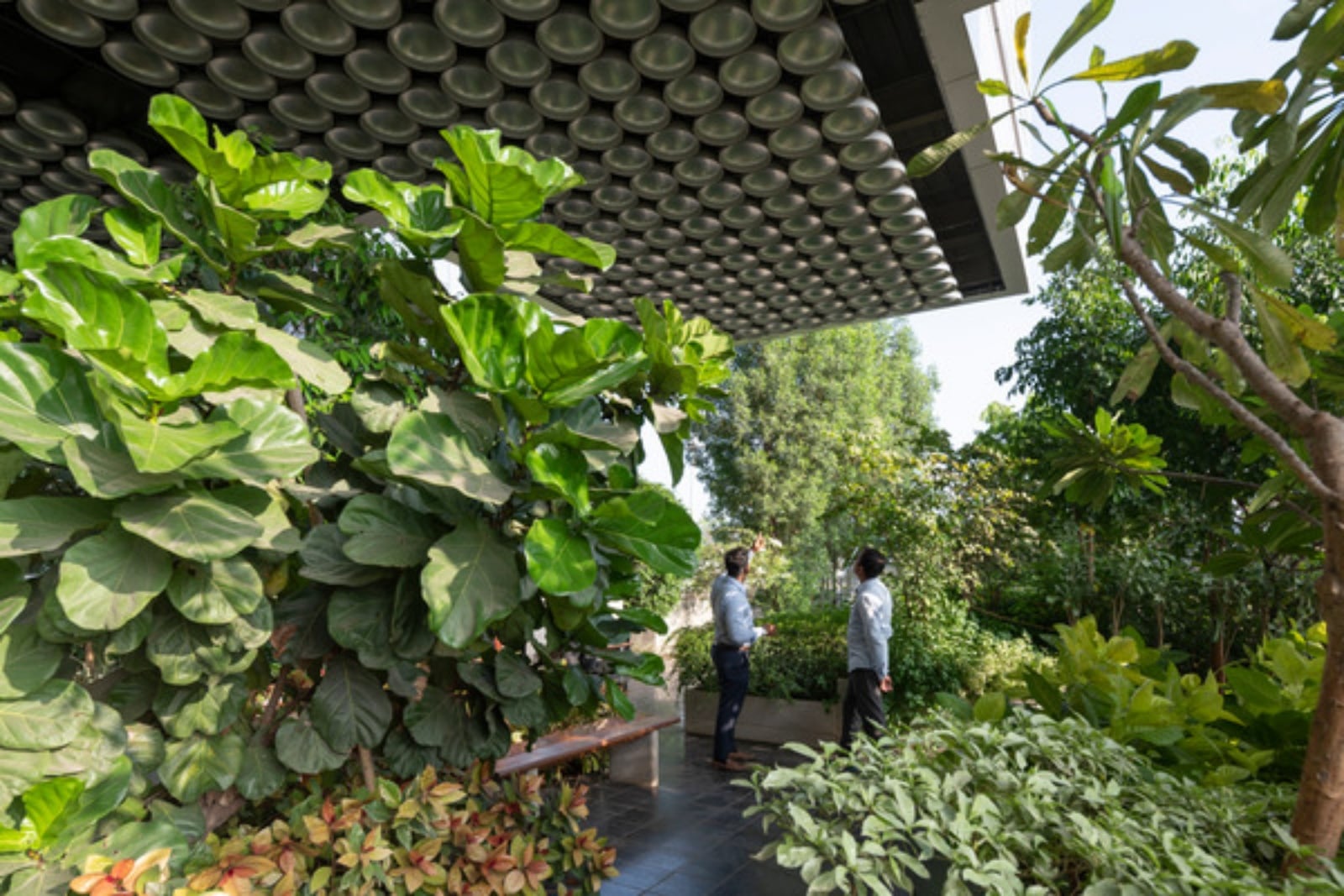 Navi Mumbai’s DY Patil University Centre of Excellence: Corridors offer glimpses of the two-acre sky garden which spans the full length of the building (Photo: RIVA)
And then, not too far from the DY Patil Cricket Ground in Navi Mumbai is the DY Patil University Centre of Excellence, which hosts learning and living spaces for over 3,000 students. There, the collaborated efforts of craftspeople and the design team has led to energy-efficient spaces, communal covered courtyards to optimise natural daylight and a crafted building envelope that allows in daylight but controls glare.
The award that honours architecture outside the UK, recognises and promotes design innovation, sustainable technologies and meaningful social impact.
“What connects this year’s winners is a strong sense of generosity towards people, place and the future. These projects demonstrate a confidence in architecture’s ability to create delight and dignity while working within existing constraints, whether environmental, social or economic,” said Neil Gillespie, Awards Group Chair.
Story continues below this ad
From beach houses and public schools in Australia, a mosque and university in Bangladesh to community centres and industrial parks in China, the award looks at climate, migration, housing and infrastructure in projects outside the UK that allow for “sustainability, community-building and cultural identity”.