Prateek Tanmay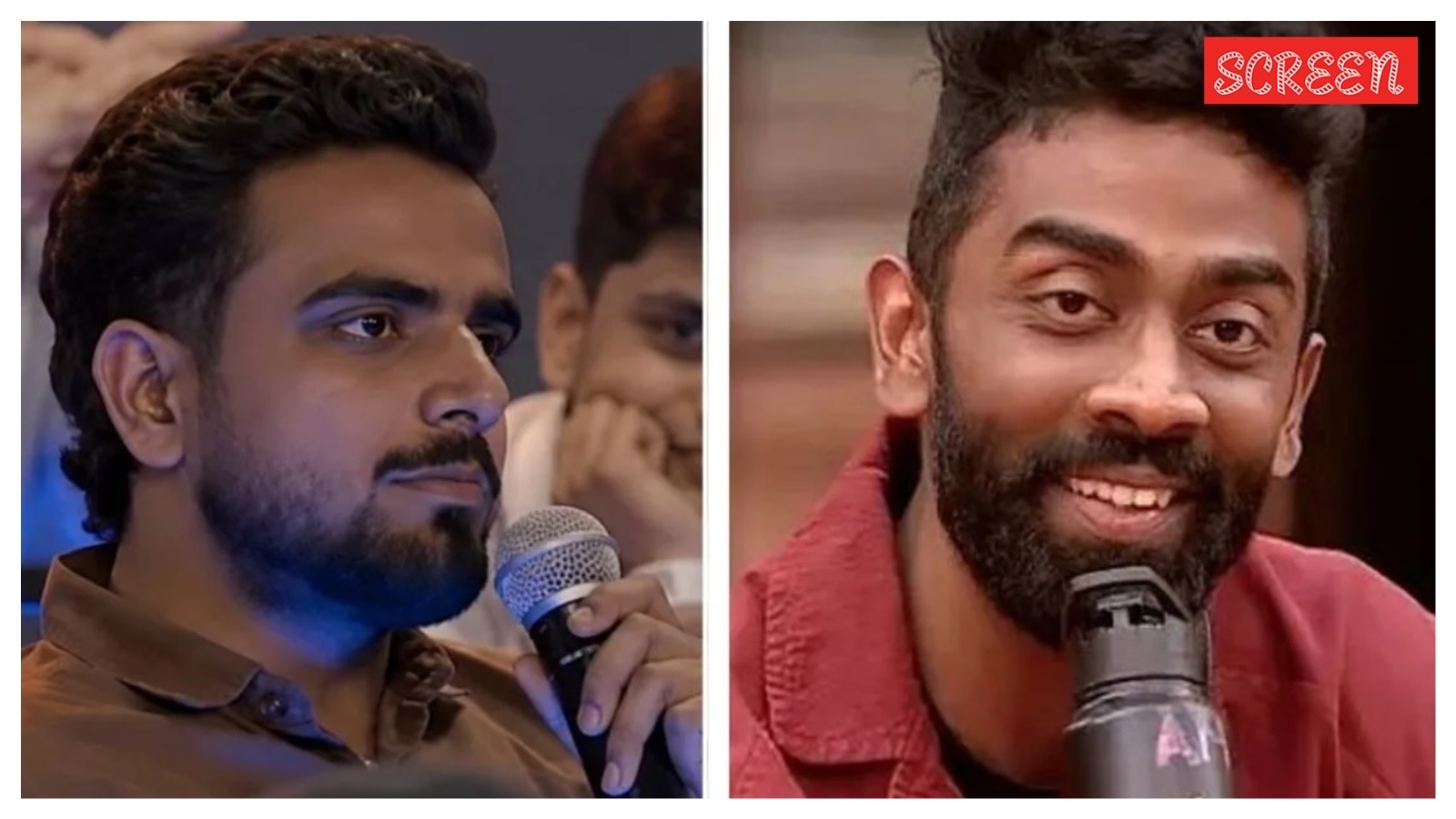
4 min readJun 12, 2026 03:07 PM IST
First published on: Jun 12, 2026 at 03:07 PM IST
By Reva Thakkar
When Himanshu Jangra spoke at Pranit More’s The Ashleel Show, he didn’t say anything that shocked the room. The conversation has largely been around “Rs 370”, but what happened is a symptom of something that goes much deeper. From the way Jangra narrated his story, it seems he had no embarrassment or guilt about telling a room full of strangers how he manipulated a woman’s consent and how far he went to recover what he “invested”. “Mai vasool toh karunga bh*****d.” He also announced that he would demonstrate what exactly he did if someone from the audience sent him a girl: “Batadu agar koi ladki bhejega toh”. The room just laughed. That’s what we need to talk about. Not just Jangra, but every single person in the room who enabled him.

Maharashtra-based comedian More sat on the stage, encouraged every bit of the “story”, and rewarded it by giving Jangra a stack of Rs 500 notes. More apologised after the furore and said he should have “laughed and moved on”. But actions often speak louder than words.
Jangra expressed an entitlement to a woman’s body, and her autonomy is purposefully disregarded. Sadly, Indian patriarchy has always functioned this way. Jangra is just another in a long list of men who skirt the concept of consent. In fact, just a few days ago, actress Priya Bapat revealed how a co-star repeatedly kissed her in a music sequence without consent and continued to pursue her off set as well.
This is not a one-off situation. The video revealed the impostors present amongst us in the everyday — those who liked, shared and validated Jangra and Pranit’s actions. They also managed to establish a narrative: That this story was worth paying for. It is not just endorsement, but encouragement for others to do the same.
This matters because The Ashleel Show is not a one-off instance of crowd work gone wrong. For almost a year and a half, More has built a specific kind of room, where people feel comfortable voicing graphic details of their private lives to an audience and a comic who will reward them for it.
After the video went viral, Jangra was fired from his job at Starvik Design. Almost immediately, Save Indian Family Foundation (SIFF), one of India’s most prominent men’s rights organisations, quickly came to his rescue on X. Addressing “all MRA [Men’s Rights Activists] Vice Presidents, Founders of startups,” it put out a call: “Offer Himanshu Jangra a job. This is your way of protecting free speech. The right to offend is an important part of free speech. The question is, where does one draw the line? If you do not stand for him right now, many innocents will be destroyed.”
For the MRAs and the incel culture, isn’t the framing always free speech? What such backing actually signals to a certain kind of man, though, is that their entitlement has institutional backing. If they lose their job for saying what they believe, someone will find them another one.
This is the version of masculinity that Andrew Tate has industrialised and exported globally to 23-year-olds like Jangra, whose fantasy is to “take an older woman” — the idea that male desire is an investment, that the female attention is a return, and any woman who refuses is committing a form of theft. These things that were supposed to be unlearned as time went on just became reinforced. The women in these rooms (and there were women in that audience, too) were disciplined into silence. To object then would have been seen as being “humourless” and “oversensitive”. The format in itself makes dissent socially costly.
The writer is a trainee journalist at The Indian Express. reva.thakkar@expressindia.com