Prateek Tanmay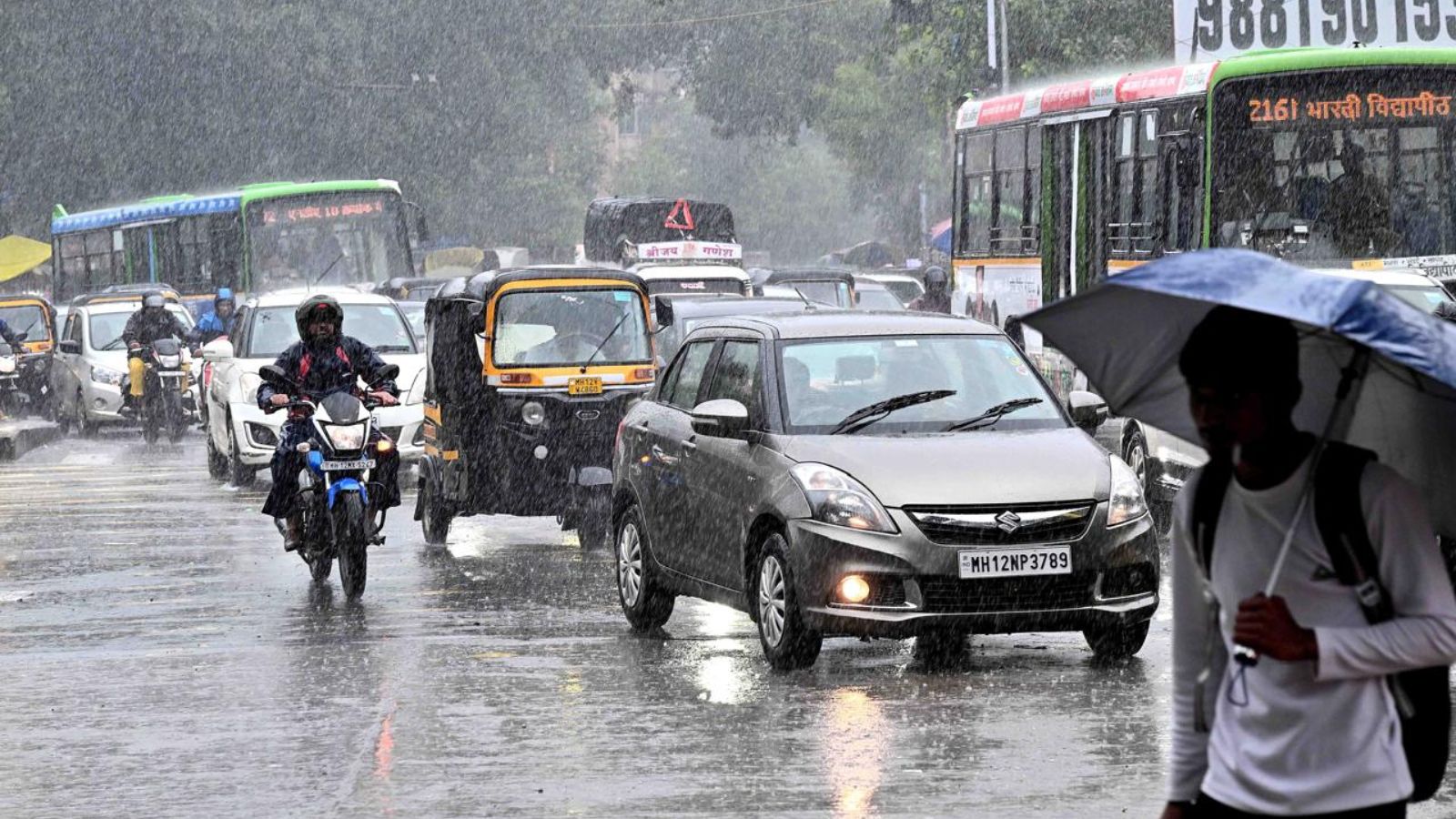
2 min readPuneJul 22, 2026 01:32 AM IST
The India Meteorological Department (IMD) announced a red alert for Pune’s Ghats with “heavy to very heavy” in some places and even extremely heavy rain in a few others on June 22.
With a yellow alert underway, heavy rainfall is expected at isolated places in Pune city on Wednesday. At the same time, Konkan and Goa are under an orange alert for isolated very heavy rain. The forecast is similar for the ghats of Nashik, Satara and Kolhapur.

On Tuesday, people woke up to a rainy morning across Pune. In the previous 24 hours, the main observatory Shivajinagar received 1.9 mm of rain, Koregaon Park 2 mm, Pashan 3.4 mm and NDA 6.5 mm. As the rain continued through the day, by the evening, Chinchwad had recorded 16 mm, Pashan 14.8 mm, Shivajinagar 12.9 mm and Koregaon Park 8 mm in nine hours.
“More rain is likely in parts of Maharashtra, including districts of Konkan, ghats of Pune, Nasik, Satara and Kolhapur, among others, over the next 48 hours. This is, largely, due to a trough or a low-pressure line from an Upper Air Circulation (UAC) in West-Central Bay of Bengal, adjoining North Coastal Andhra Pradesh to the North-East Arabian Sea, which is making the monsoon active to vigorous over Maharashtra ,” says Anupam Kashyapi, former head of Weather Forecasting Division at IMD.
The ghats are already being lashed by rainfall, with Lonavala receiving 135 mm of rainfall, Shirgaon and Tamhini 120 mm and Dongerwadi 100 mm in 24 hours on Tuesday morning. Mahabaleshwar, the popular tourist site, has received 588.5 mm excess rain since July 1, its total recorded now being 2,914.5 mm.
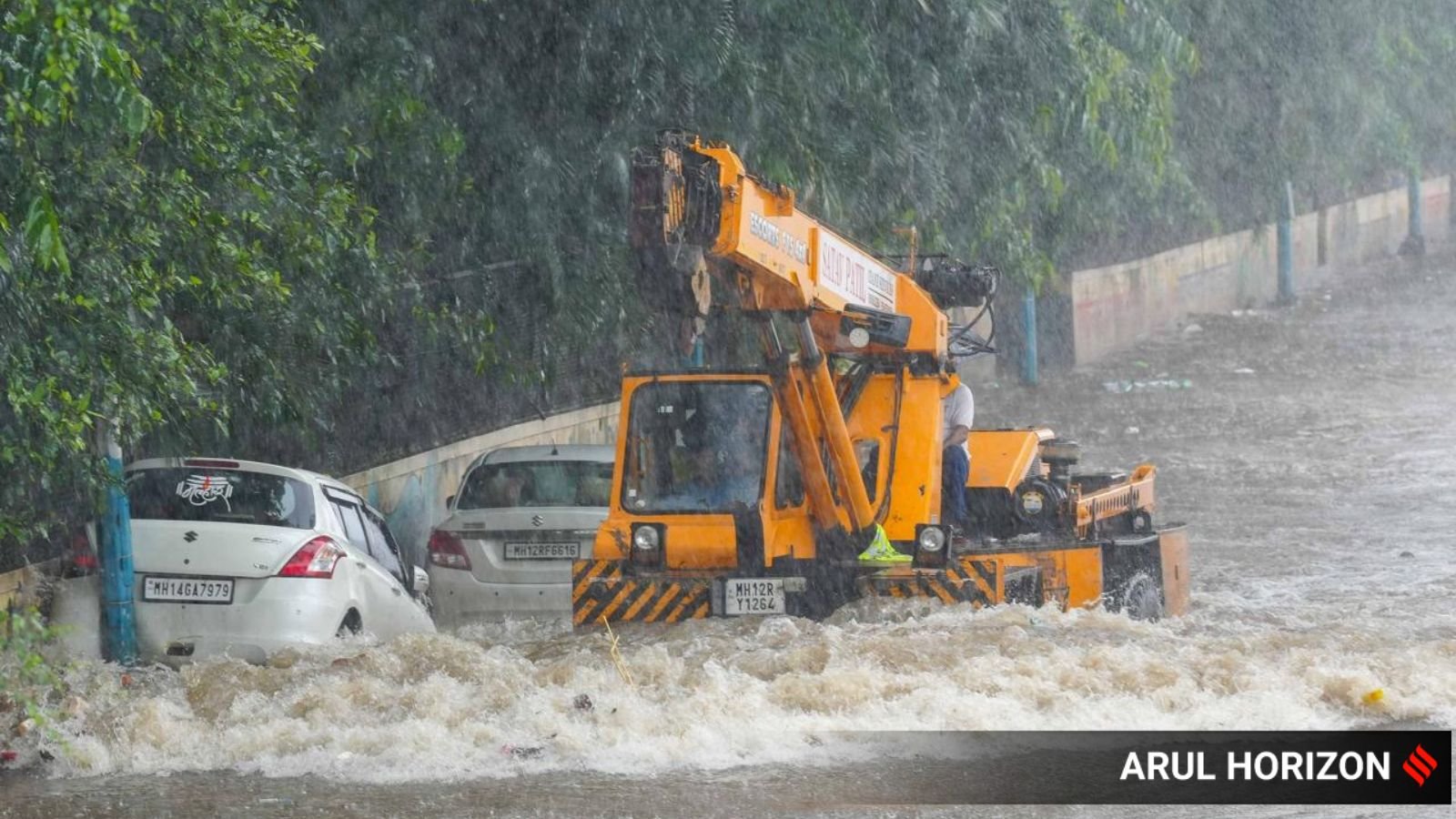
IMD has said that the impact of the rains could include a possibility of flash floods, squally weather over the coastal districts of Konkan, landslides, mudslides and rockfalls and cloud-to-ground lightning during thunderstorms especially in ghats. The weather experts have advised people to check for traffic congestions on the route before leaving for a destination. During a thunderstorm, people should avoid talking shelter under tall trees or in the open. Poor visibility during intense spells of rain,slippery road snd temporary inundation in low lying areas likely create problem on roads.