Prateek Tanmay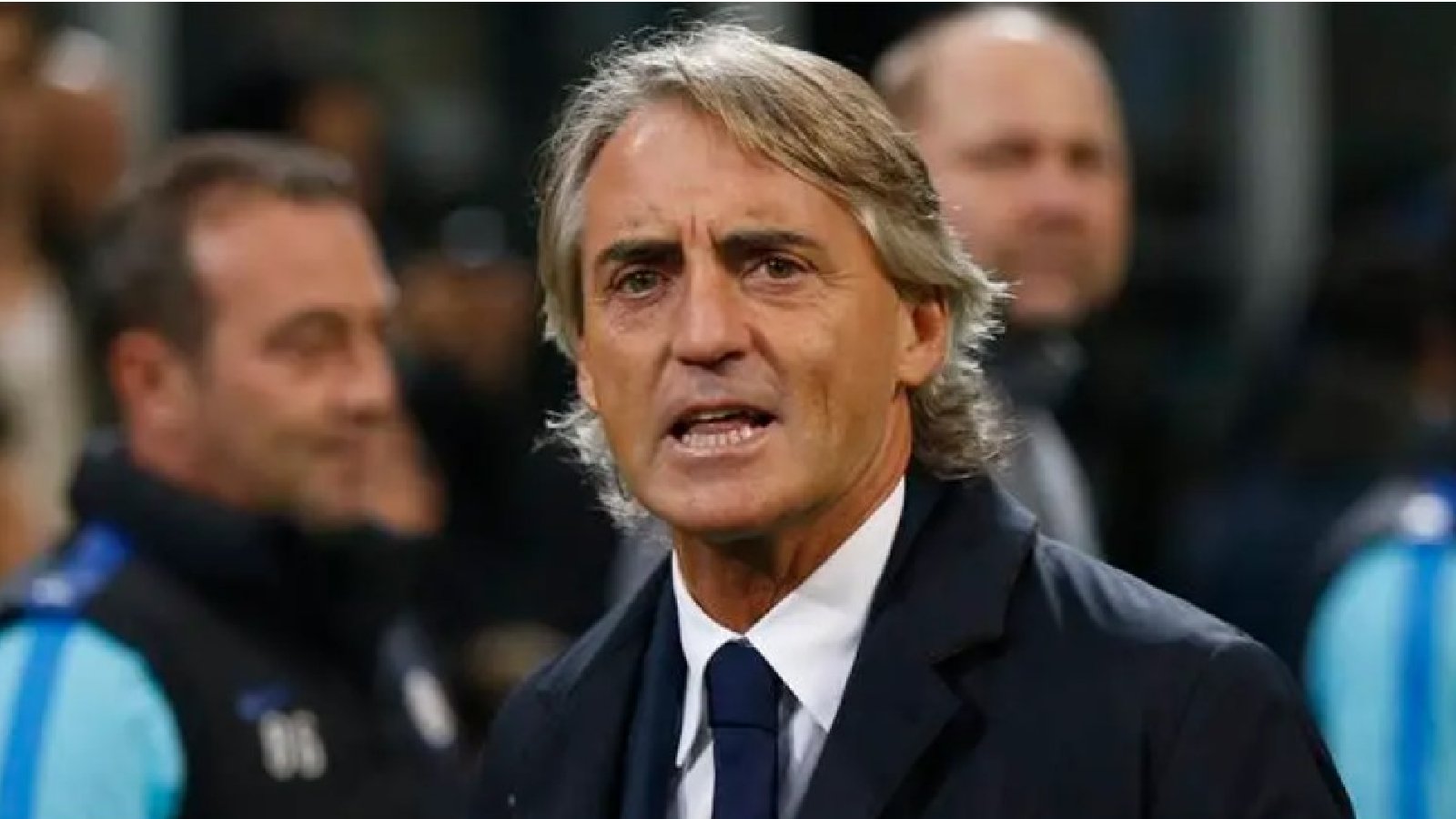
Such was FIFA’s lavish guest list for the 2026 World Cup final that it was difficult to find a legend’s name missing. Paolo Maldini’s, certainly, was. While football royalty descended on New Jersey, the former Italy captain flew to Barcelona hoping to make Pep Guardiola an offer he could not refuse – Vito Corleone style.
Italy had spent three successive World Cup cycles as spectators. The federation wanted resurrection, and Maldini had been handed the blueprint. When he returned, he told the press that the new Azzurri manager would be “ideally” announced in a week.
It was. Only, it was not Guardiola, but Roberto Mancini. Maldini wasn’t the one announcing it. He was already gone. This is the saga of the latest Italian job.
The story begins with Gabriele Gravina. In 2018, he was elected as the Italian federation’s president after winning 97.2% of the total votes. In his first address, he made one promise: rather than speak, he would listen.
History may not remember his presidency kindly, despite the Euro triumph, but it cannot be disputed that he kept that promise. Following public outrage after Italy’s defeat to Bosnia and Herzegovina in the 2026 World Cup qualifiers, Gravina listened to fans and vacated his position.
A replacement was promptly announced. Giovanni Malago — the former president of the Italian Olympic Committee. Experienced as he was, Malago understood that rebuilding Italian football would require more than one pair of hands. His first major appointment was Maldini, appointed technical director.
“When Italy calls, it is hard to say no. This was a call to arms,” said Maldini. Nobody foresaw what followed.
Story continues below this ad
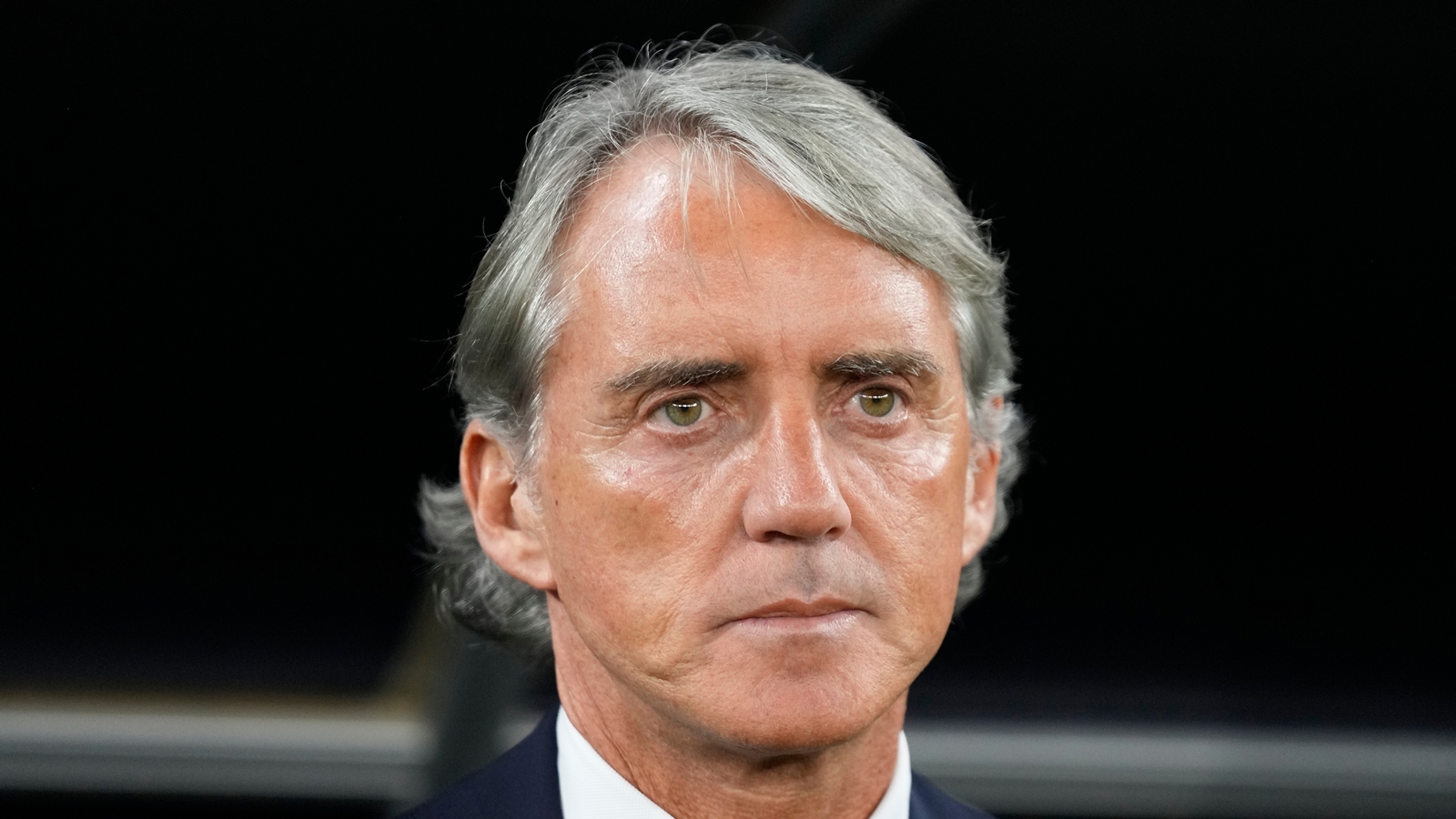 Mancini, who had 36 caps for Italy in his playing career, previously managed the team between 2018 and 2023, taking over when they failed to qualify for the World Cup for the first time since 1958 under Gian Piero Ventura. (AP Photo)
Three meetings
The first call Maldini made was not to Guardiola, but to Carlo Ancelotti, under whom he played 252 matches and won several trophies. Brazil’s quarter-final exit to Norway at the World Cup had fuelled speculation over Ancelotti’s future, and Maldini hoped the timing might prove irresistible.
It wasn’t. Ancelotti chose Brazil.
Then came Guardiola. After leaving Manchester City, Guardiola was offered everything Maldini could offer – a salary that would have made him the highest-paid coach in Azzurri history, the flexibility to continue living in Barcelona and the freedom to work primarily around international windows.
Guardiola still could not be convinced. David Silva once said Guardiola’s greatest gift was seeing the future.
Unsuccessful in his first two attempts, Maldini turned to his friend for the third – Andrea Pirlo. His resume lacked the glamour of Ancelotti or Guardiola, but he won the World Cup with Italy and trophies at Juventus. On 26 July, the deal seemed done. Until it wasn’t.
Story continues below this ad
Deal undone
Malago opposed the appointment – not because he doubted Pirlo’s football credentials, but because of one commercial partnership. A year ago, he became the brand ambassador of Fonbet – a Russian betting company.
At first glance, it hardly seemed disqualifying. Italian football is not particularly sacrosanct. Inter, Roma and Lazio have all carried betting brands on the front of their shirts.
The issue was never with gambling, but geopolitics. The Italian government has, repeatedly over the last four years, condemned Russia for its invasion of Ukraine, backed the European Union’s sanctions, and supplied military and humanitarian aid to Kyiv.
Pirlo, meanwhile, featured in a testimonial game for former Russian international Artem Dzyuba, wherein Fonbet were among the partners.
Story continues below this ad
Malago pulled the handbrake. “I certainly wasn’t aware of this partnership (of Andrea Pirlo) with Fonbet that had been in place since July 2025. This discovery gave us pause for thought. I take full responsibility for halting the process of appointing Pirlo as head coach.”
Pirlo, upon learning he is not in contention anymore, retorted, “The professional collaboration that is the subject of recent controversy came about as part of my working experience in the United Arab Emirates and is exclusively of a commercial and sporting nature. Attributing political meaning to this collaboration means attributing convictions to me that I have never expressed and that I do not hold.”
Maldini, with his authority grossly undermined, resigned. Malago, now on his own, hired Roberto Mancini – who won Italy the Euros, before resigning two years later following an acrimonious split with Gravina.
Italian football had completed a full circle in barely a fortnight. And with it, the saga concludes. For now. France and Belgium await in the Nations League. European Championship qualifying lies just beyond that.
Story continues below this ad
Essayist Beppe Severgnini had described Italy as the ‘only workshop in the world that can turn out both Botticellis and Berlusconis.’ Italian football, lately, has been producing far too much of the latter.
Extraordinary details of an appointment for ages
31 March: Italy lose 1-0 to Bosnia and Herzegovina, confirming a third consecutive failure to qualify for the FIFA World Cup.
2 April: Gabriele Gravina, president of the Italian football federation, resigns amid widespread public outrage.
22 June: Giovanni Malago, former president of the Italian Olympic Committee, is elected FIGC president with 68% of the votes.
Story continues below this ad
11 July: Paolo Maldini is appointed technical director. He brings former AC Milan teammate and executive Leonardo as his adviser.
Mid-July: Maldini approaches his former coach, Carlo Ancelotti, for the Italian job. Ancelotti decides to continue with Brazil.
20 July: Paolo Maldini meets Pep Guardiola in Barcelona. Guardiola is offered handsome remuneration, and the flexibility to continue living in his hometown.
Between 21 and 24 July: Guardiola declines the proposal.
Between 25 and 26 July: Maldini approaches his former teammate, Andrea Pirlo. Currently coaching Dubai United, Pirlo agrees. A deal is readied.
Story continues below this ad
27 July: Malago vetoes Pirlo’s appointment over his association with a Russian betting company. With his authority undermined, Maldini resigns.
28 July: Malago appoints Roberto Mancini as the manager.