Prateek Tanmay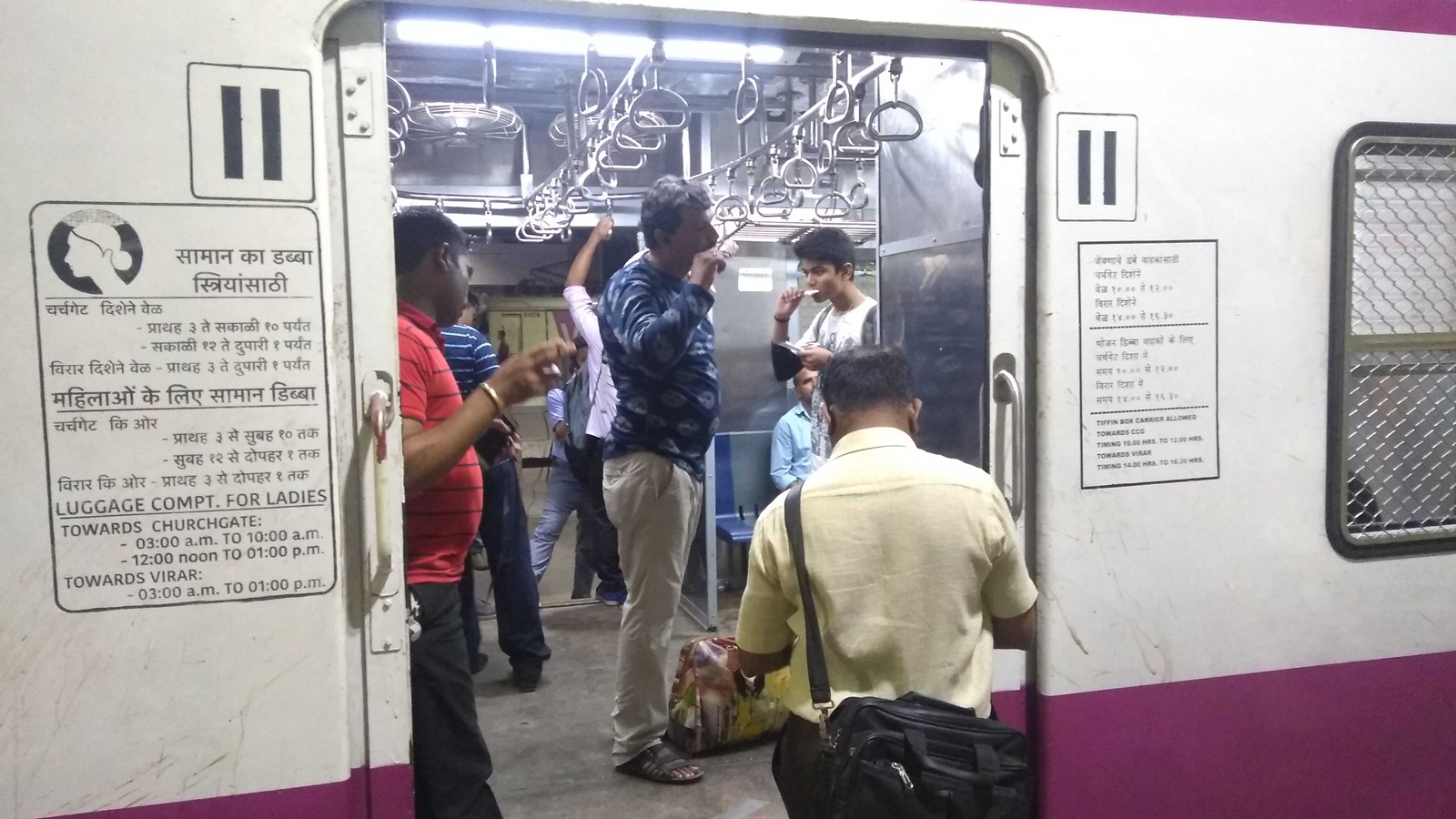
The fatal stabbing of 22-year-old Mayank Lohar inside a first-class compartment of a Churchgate-Nallasopara local train on Monday night has once again raised concerns about rising violence on Mumbai’s suburban railway network.
The incident, allegedly triggered by an argument over whether the train door should remain open during heavy rain, comes barely four months after another stabbing on the Western Railway corridor. In February, 32-year-old lecturer Alok Singh was stabbed during an altercation while attempting to alight at Malad station.
While the circumstances of the two incidents differ, both began as routine commuter disputes before turning violent a pattern that transport experts and behavioural researchers say reflects the intense pressures of travelling on one of the world’s most crowded rail systems.
A system under pressure
Mumbai’s suburban railway carries between 7.5 million and 8 million passengers every day. During peak hours, trains routinely run far beyond their intended capacity, with commuters packed shoulder-to-shoulder in coaches and hanging from doorways.
A 2017 study by researchers from Central Queensland University, *Frustrations, Fights, and Friendships: The Physical, Emotional, and Behavioural Effects of High-Density Crowding on Mumbai’s Suburban Rail Passengers*, found that Mumbai’s local trains operate under some of the densest passenger loads in the world. Although train services and coach capacities have increased since then, overcrowding remains a defining feature of the daily commute.
Crowding fuels conflict
The study found that passengers routinely experience a loss of physical control while boarding and alighting. In packed coaches, movement becomes restricted and even maintaining balance can be difficult. Bags get trapped, people are pushed against one another and access to train doors often becomes a source of conflict.
Researchers found that commuters frequently board trains already carrying stress from work, financial pressures and family responsibilities. The daily struggle for space inside crowded coaches further heightens frustration and lowers tolerance levels.
Story continues below this ad
As a result, seemingly minor incidents — a shove, an accidental step on someone’s foot, an elbow during boarding or a disagreement over standing space — can quickly escalate into arguments.
Small triggers
Behavioural studies suggest that in overcrowded conditions, accidental contact is often perceived as deliberate. Once tempers are frayed, routine disagreements can spiral rapidly.
Regular commuters point to a growing list of flashpoints: disputes over boarding queues, passengers blocking doors, loud mobile phone conversations, videos played without earphones and, increasingly, people filming reels inside crowded compartments.
The latest incident itself stemmed from a disagreement over whether a train door should remain open during heavy rain a seemingly minor issue that ended in a fatal attack.
Story continues below this ad
Stress beyond the train compartment
The pressure begins even before passengers board.
Crowd bottlenecks at stations often add to commuter frustration. Narrow staircases, congested foot-over-bridges and poorly distributed entry and exit points create choke points where pushing and jostling are common. Busy stations such as Kurla and Prabhadevi regularly witness intense crowding during rush hours.
Urban transport experts say such conditions create a constant sense of urgency and stress, leaving commuters more prone to confrontation.
The collapse of personal space
Researchers note that Mumbai’s suburban railway forces millions of people into conditions where conventional social norms surrounding personal space cease to exist.
Story continues below this ad
Physical contact becomes unavoidable, privacy disappears and commuters often have little room to disengage from disagreements. In such an environment, even small provocations can feel amplified.
Some studies have also suggested that arguments on trains can become an outlet for accumulated frustration. Unlike disputes in workplaces or neighbourhoods, confrontations with strangers carry few long-term social consequences, making trains a space where bottled-up anger is more likely to surface.