Prateek Tanmay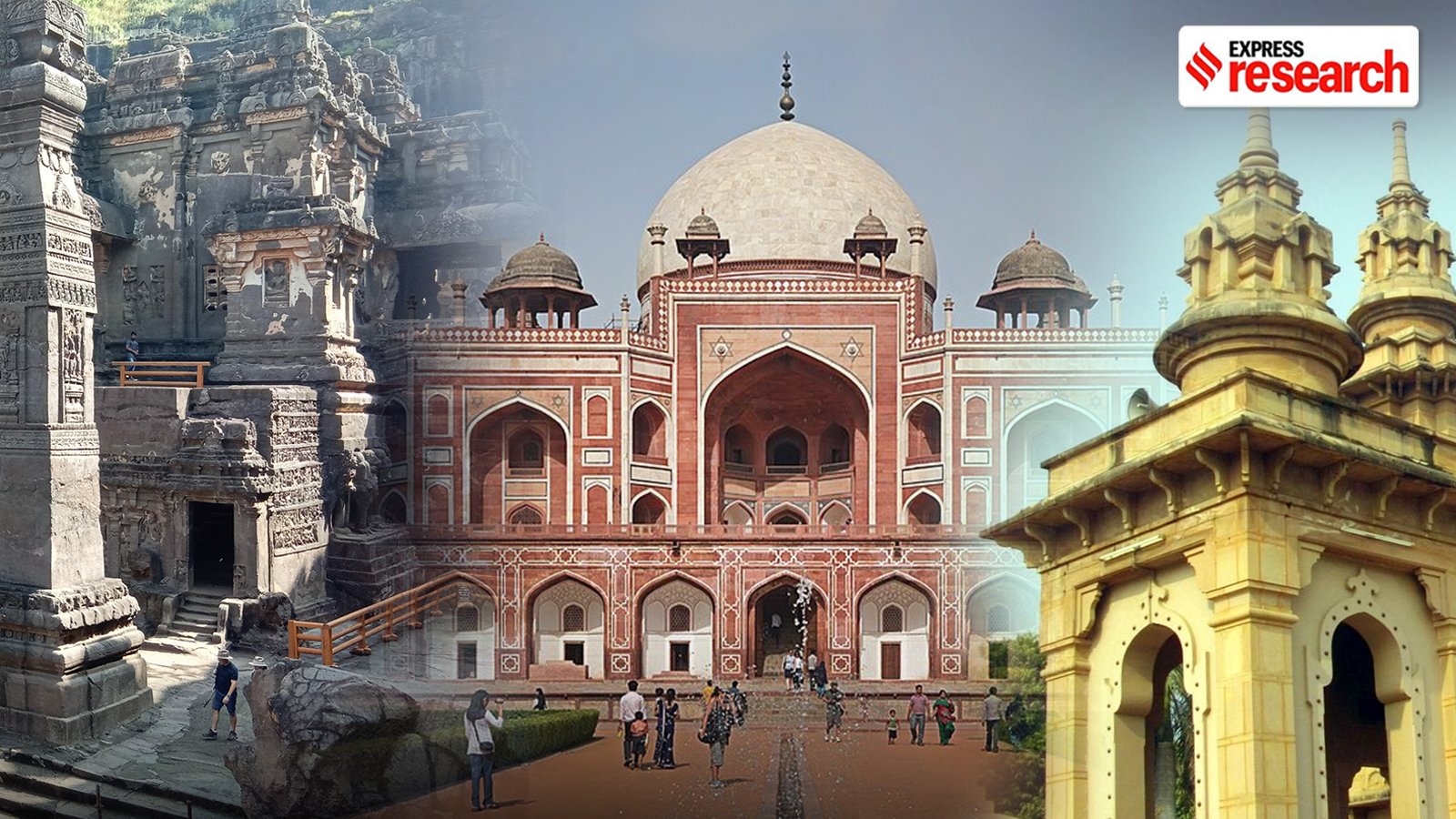
Sarnath, revered as the site where Gautama Buddha is believed to have delivered his first sermon after attaining enlightenment, has been inscribed as India’s 45th Unesco World Heritage Site.
The recognition was approved by the World Heritage Committee during its 48th session, held earlier this month, placing the ancient Buddhist site on a prestigious list of Indian heritage landmarks that began with the inclusion of the Ajanta Caves, Ellora Caves, and Agra Fort in 1983.
India now has 45 World Heritage Sites — 37 cultural, seven natural, and one mixed — the sixth-highest number of any country. Over four decades, its World Heritage portfolio has expanded from monumental architecture to historic cities, cultural landscapes and ecosystems.
The birth of the World Heritage Convention
The idea of a global framework to protect cultural and natural heritage gathered momentum in the aftermath of the Second World War, when the widespread destruction of monuments, museums, and historic cities underscored the need for international cooperation in safeguarding humanity’s shared legacy.
Unesco was established in 1945 with a broader mandate to promote peace through education, science and culture, including the preservation of cultural heritage.
The immediate precursor to the World Heritage Convention came more than a decade later. In 1959, after Egypt announced the construction of the Aswan High Dam, Unesco launched an unprecedented international campaign to rescue the ancient temples of Abu Simbel and Philae, which were threatened by the rising waters of Lake Nasser. More than 50 countries contributed financial and technical assistance to dismantle and relocate the monuments, demonstrating that protecting exceptional heritage could become a shared international effort.
Story continues below this ad
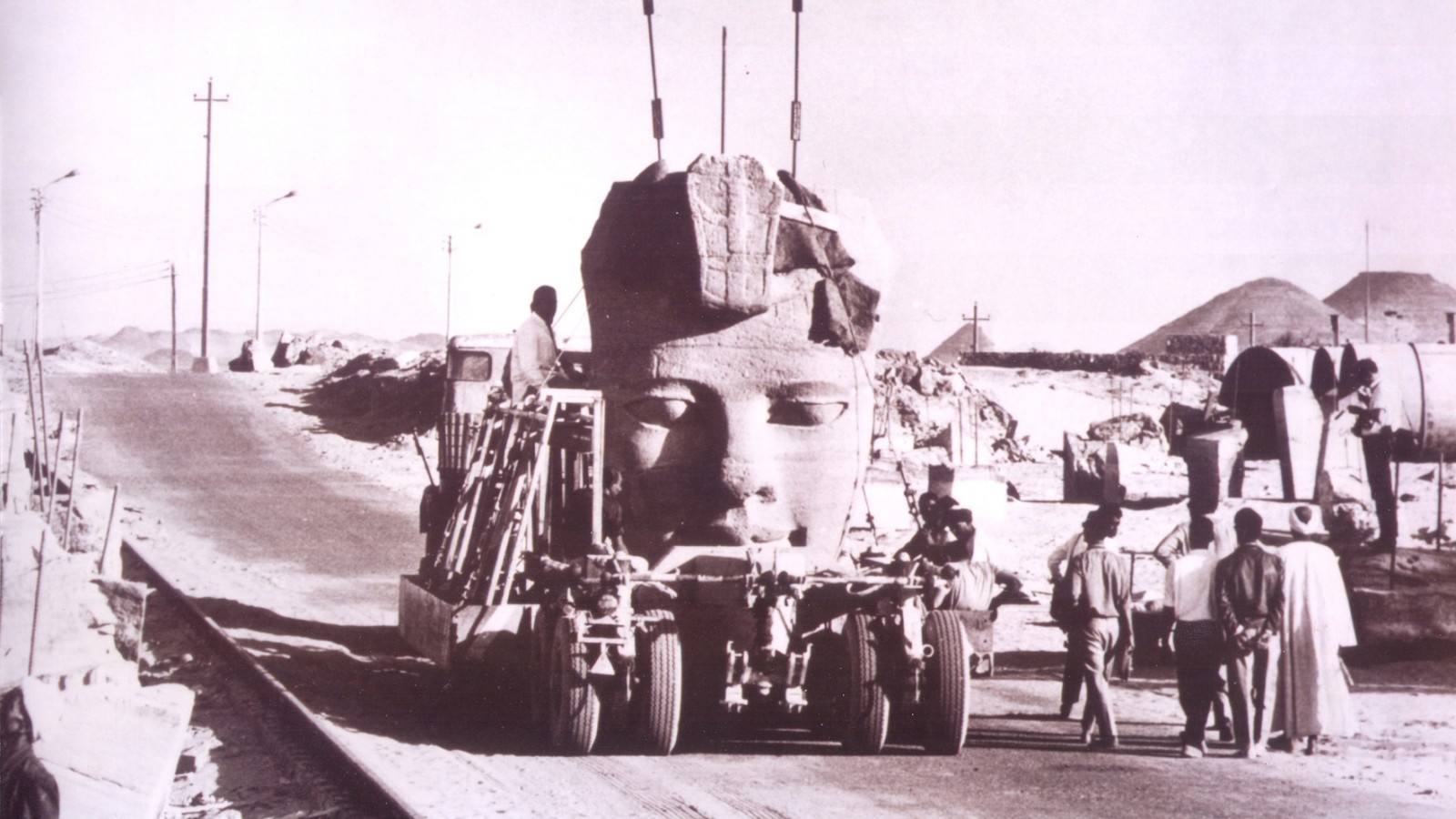 In 1959, after Egypt announced the construction of the Aswan High Dam, Unesco launched an unprecedented international campaign to rescue the ancient temples of Abu Simbel and Philae, which were threatened by the rising waters of Lake Nasser. (Wikimedia Commons)
The success of the campaign inspired Unesco member states to adopt the Convention Concerning the Protection of the World Cultural and Natural Heritage on November 16, 1972, during its General Conference in Paris. The treaty established the World Heritage List and created a framework through which countries could identify, protect and preserve sites of “Outstanding Universal Value” (OUV), recognising that such heritage belongs not only to individual nations but to humanity as a whole.
How does a site become a Unesco World Heritage Site?
For a place to be recognised as a World Heritage Site, the process is rigorous and often multi-year. A site must first be included on a country’s Tentative List, an inventory of cultural and natural properties that a State Party may nominate over the coming years. Only sites on this list are eligible for nomination.
Under Unesco’s current nomination process, States Parties are encouraged to undertake a Preliminary Assessment to determine whether a site is likely to demonstrate Outstanding Universal Value before preparing a full nomination dossier. The completed dossier is submitted to Unesco’s World Heritage Centre and evaluated over roughly 14 months by its advisory bodies. ICOMOS evaluates cultural nominations, while IUCN assesses natural sites. ICCROM provides expert advice on conservation and capacity building throughout the process.
Story continues below this ad
The final decision rests with the 21-member World Heritage Committee, which meets annually to decide whether to inscribe, refer, defer or reject a nomination. To be inscribed, a site must demonstrate Outstanding Universal Value, satisfy at least one of Unesco’s ten selection criteria — six cultural and four natural — and meet standards of authenticity, integrity and long-term protection.
India’s Unesco journey begins
India ratified the World Heritage Convention in 1977, becoming eligible to nominate sites of exceptional cultural and natural significance for inscription. Its first success came in 1983, when the Ajanta Caves, the Ellora Caves, and the Agra Fort were inscribed during the seventh session of the World Heritage Committee.
Ajanta was recognised for its Buddhist paintings and sculptures, masterpieces of ancient Indian art dating from the 2nd century BCE to the 6th century CE. Ellora, carved between the 6th and 10th centuries CE, reflects the coexistence of Buddhist, Hindu and Jain traditions within a single rock-cut complex. Agra Fort, built largely under the Mughal emperor Akbar in the 16th century, symbolises the architectural and political power of the Mughal Empire.
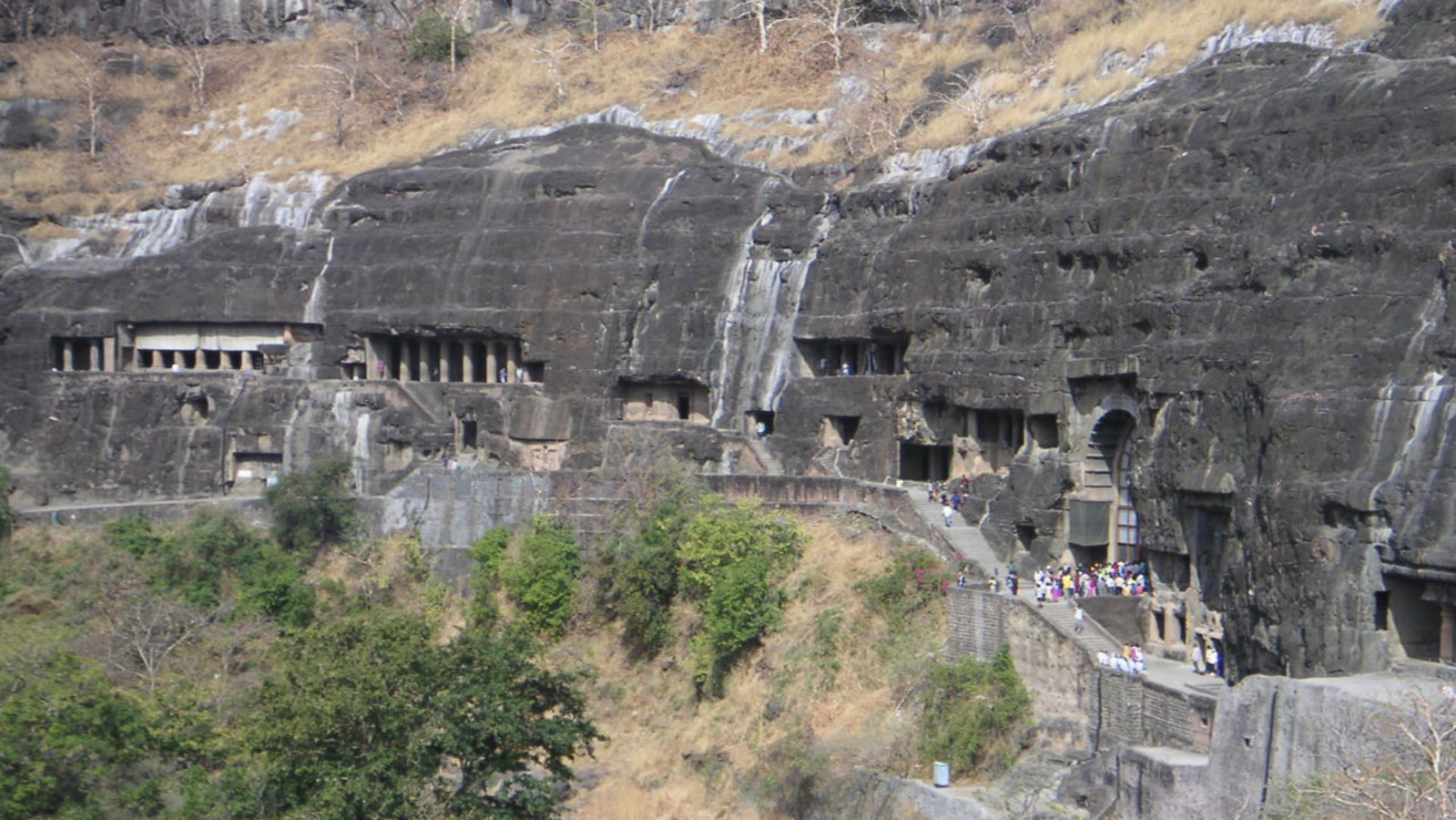 Ajanta was recognised for its Buddhist paintings and sculptures, masterpieces of ancient Indian art dating from the 2nd century BCE to the 6th century CE. (Wikimedia Commons)
India’s presence on the World Heritage List expanded in 1984 with the inscription of the Taj Mahal and the Sun Temple at Konark. Over the following decades, the list grew beyond monuments to include historic cities, mountain railways, biodiversity hotspots and cultural landscapes.
Story continues below this ad
Delhi emerged as one of India’s richest centres of World Heritage, with Qutb Minar and its Monuments, Delhi, and Humayun’s Tomb inscribed in 1993, followed by the Red Fort Complex in 2007.
The inscription of Sarnath in 2026 marks another milestone in India’s World Heritage journey, recognising one of the world’s most significant Buddhist archaeological sites and its enduring influence on religious and intellectual history.
Why Unesco status matters
Inscription on Unesco’s World Heritage List is among the highest international recognitions a cultural or natural site can receive. It signifies that a place possesses Outstanding Universal Value deserving of protection for present and future generations, while conferring international recognition that often strengthens conservation efforts.
World Heritage status can improve access to international technical expertise, scientific documentation and, in some cases, conservation assistance. It also raises a site’s global profile, often attracting greater tourism and creating economic opportunities through hospitality, handicrafts and heritage-based livelihoods. In return, governments are expected to implement robust long-term management and conservation plans to safeguard these sites.
Story continues below this ad
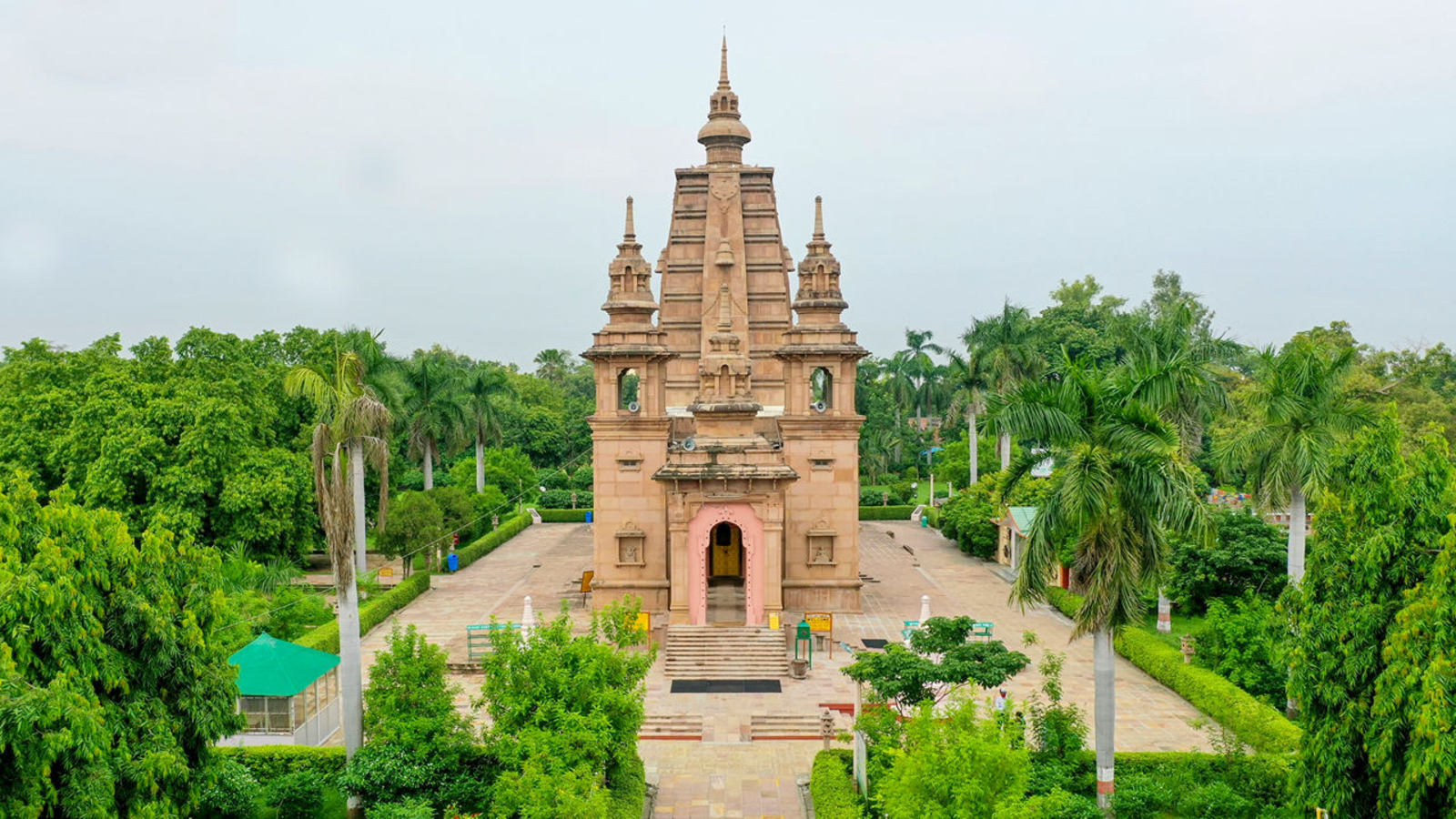 The inscription of Sarnath in 2026 marks another milestone in India’s World Heritage journey. (Wikimedia Commons)
However, inscription does not guarantee protection. Many World Heritage Sites continue to grapple with overcrowding, over-commercialisation, pollution, climate change and urban encroachment. The designation imposes responsibilities rather than automatic solutions, and the task of protecting these sites ultimately rests with national and state governments, local authorities and communities.
From the rock-cut caves of Ajanta and Ellora to the sacred landscape of Sarnath, India’s World Heritage journey reflects an evolving understanding of heritage itself. What began with the protection of monumental architecture has gradually expanded to include historic cities, cultural landscapes, railways and ecosystems. Sarnath’s inscription is therefore more than the addition of another name to the list.
It underscores a broader principle at the heart of the World Heritage Convention: that places of exceptional cultural and natural significance are part of humanity’s shared inheritance and require sustained stewardship for future generations.
Shefali Narula is an intern with Indianexpress.com.