Prateek Tanmay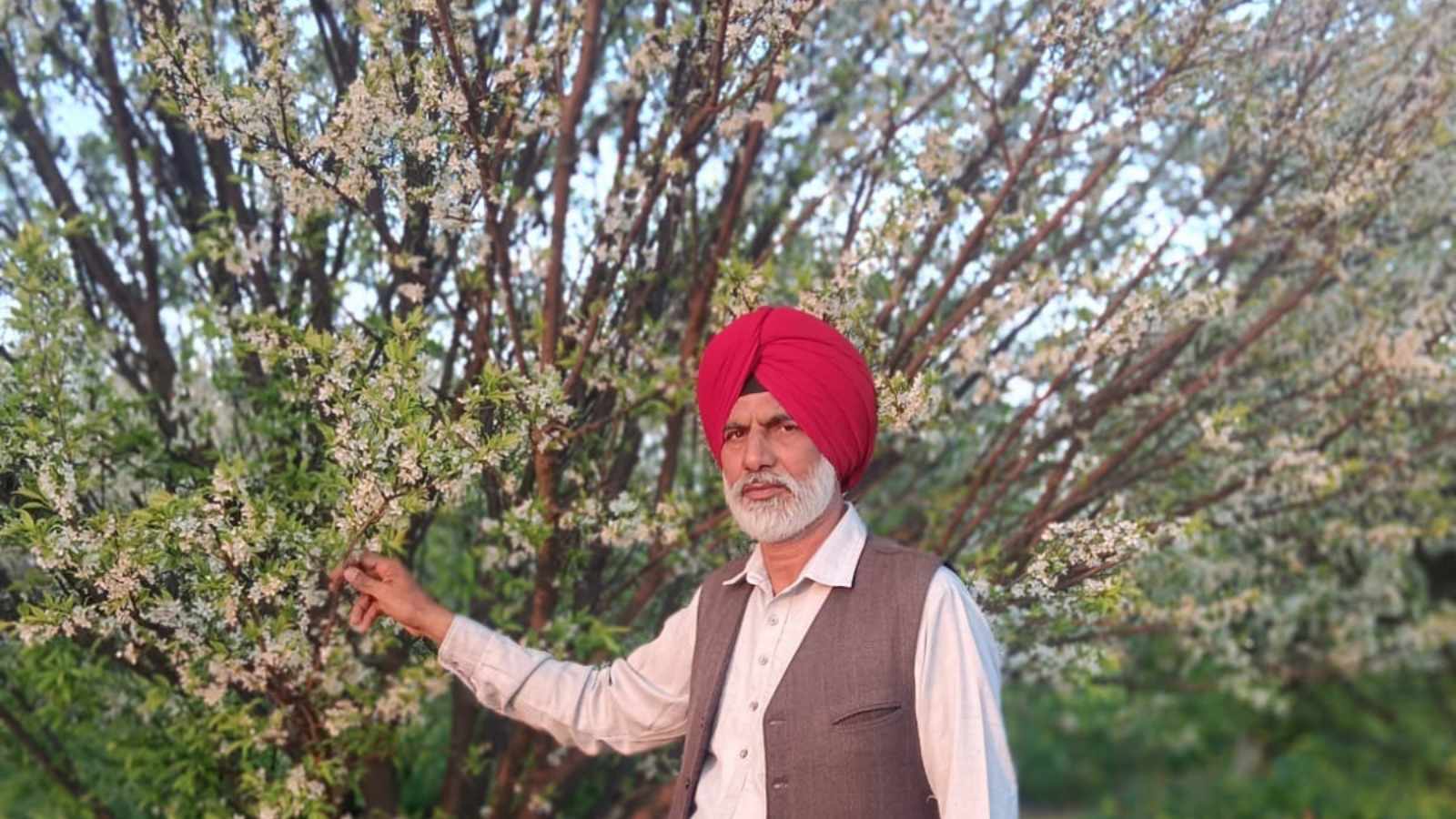
4 min readJalandharUpdated: Jul 26, 2026 10:38 AM IST
Balwinder Sandhu dropped out of convent education after matriculation due to a paucity of money given his family circumstances and started traditional wheat and paddy farming on his family land. Later, he began shifting to horticultural crops, starting with just two acres in 2010-11. The 51-year-old farmer at Sukhna Ablu village in Muktsar Sahib district today owns 26 acres, of which he transformed around 20 acres into a diversified organic farm “Preet Agro Nature Way Farm”, producing nearly 35 to 40 varieties of fruits, spices and a similar range of seasonal vegetables.
“I started with just two acres of horticulture by shifting from wheat and paddy in 2010-11. I gradually expanded after seeing the response from customers and realising that there was a market for fresh produce,” he says.

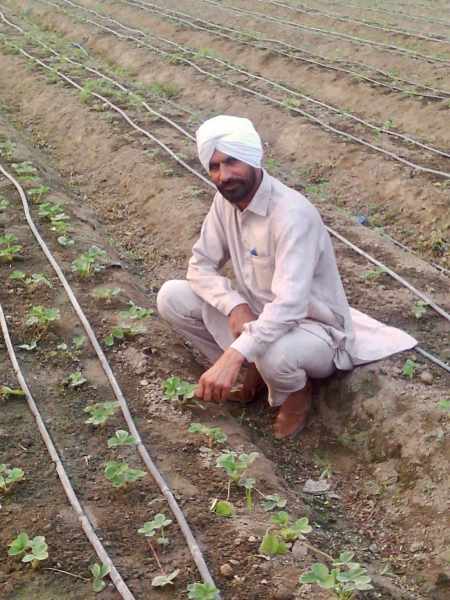 Sandhu has planted an unusually wide range of fruit varieties, including kinnow, daisy, malta, mitha, Nagpuri orange, Japanese orange, different varieties of lemons and chakotra. (Express Photo)
Sandhu inherited about 11 acres from his father, who had a holding of around 33 acres. Gradually, he expanded and added another 15 acres worth more than Rs 4 crore from his farm earnings. Now he supplies products to consumers directly from his farm.
Sandhu has planted an unusually wide range of fruit varieties, including kinnow, daisy, malta, mitha, Nagpuri orange, Japanese orange, different varieties of lemons and chakotra. His orchards also include dragon fruit, strawberries, peaches, plums, mangoes, pears (nashpati and baggu gosha), Hisar safeda guava, grapes, jamun, mulberry and ber.
Alongside orchards, Sandhu grows seasonal vegetables and crops, including watermelon, muskmelon, maize, chillies, turmeric, other spices and mustard and processes them into powders and oil for direct sale to customers. He grows rare wheat varieties such as Bansi and Sona Moti, which he says have relatively very low gluten content and are four times more nutritious than prevalent varieties.
“I do not depend on one crop or one season. If one fruit or vegetable is finished, another is ready. This gives us continuous income and also keeps customers connected with the farm,” said Sandhu, who believes both farmers and consumers lose money to the chain of middlemen.
“If a product is sold for Rs 150 per kg in the market, we try to provide it to customers for Rs 70-80 per kg. As customers get better value, they buy almost double from us for the same money, and that too chemical-free. Organic products are generally more expensive, but we try to keep the prices on par with conventionally grown produce at our farm,” Sandhu said.
Story continues below this ad
What’s even more interesting is that Sandhu allows customers to pick fresh fruits and vegetables from plants at his farm. “This strengthens their trust in us.”
He said farmers often get a lower price for their product in mandis. “By selling products directly, we not only give customers a better deal but also retain a fair profit margin for ourselves. If you are fully dependent on mandis and middlemen, you may not get the full benefit of diversification, which should be started with small land and gradual expansion,” Sandhu said.
Comparing his diversified crop cultivation model with the wheat-and-paddy cycle, Sandhu said the financial difference can be significant. If a farmer earns roughly Rs 90,000 to Rs 1 lakh per acre annually from wheat-paddy cultivation, diversified horticulture can generate around Rs 2 lakh to Rs 3 lakh per acre annually, with income potentially reaching four to five times or more, depending on the effort, varieties of fruits and vegetables and market timings.
Sandhu said his horticulture farm requires manure worth around Rs 3 lakh annually, which is four to five times more expensive than chemical fertilisers. “To meet this requirement, I have provided around 1.5 acres, including a shed, water and electricity facilities, to a dairy owner who keeps around 150-200 cattle. In return, I get more than 300 trolley loads of cow dung manure annually generated by the dairy,” he said.
Story continues below this ad
“This is a symbiotic relationship, benefiting both of us. Organic products are far more tasty,” he said.
The farm provides permanent employment to 20 people. Sandhu has also helped around a dozen farmers to set up orchards.
“Agriculture can create significant wealth. I believe farmers should not think only about what they will grow. They should also think about whom they will sell to,” he added.