Prateek Tanmay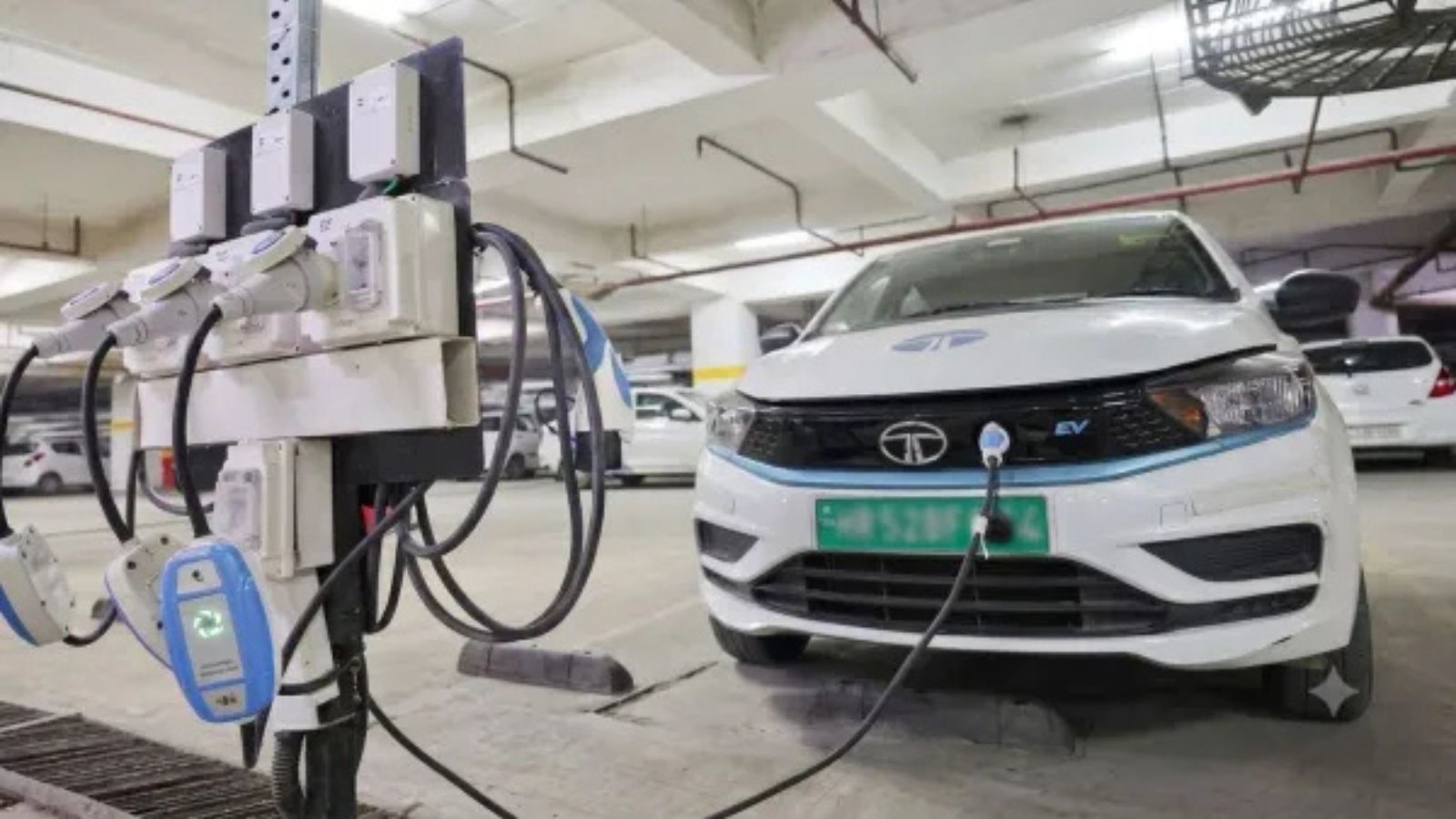
Holding that a consumer cannot be forced to continue using a vehicle that became non-operational within days of purchase and was later damaged while in a dealer’s custody, the District Consumer Disputes Redressal Commission, Chandigarh, has directed an authorized MG dealer and the manufacturer to refund nearly Rs 19.07 lakh paid for an MG Windsor EV, along with compensation.
The commission, comprising President Amrinder Singh Sidhu and Member B M Sharma, partly allowed a complaint filed by Pukhraj Singh Bal against Krishna Automobiles Garage, Chandigarh, and JSW MG Motor India Private Limited.

The commission directed the dealer and manufacturer to refund Rs 18.49 lakh, the invoice value of the vehicle, along with Rs 57,690 spent on accessories. It also awarded Rs 50,000 towards compensation for harassment and litigation expenses.
According to the complaint, Bal purchased a Windsor EV Essence Pro on July 23, 2025, for Rs 19.07 lakh. Four days later, while travelling with his family, the vehicle allegedly stopped abruptly on the road and was hit from behind by a Scorpio. The complainant alleged that the same problem recurred later that day, forcing him to abandon his journey midway.
The vehicle was towed to the dealer’s workshop. Bal claimed that despite repeated follow-ups, he was informed only on August 14 that the issue had been resolved. However, when he visited the workshop, he allegedly found that the vehicle had sustained fresh damage while in the dealer’s custody. He sought either a refund or replacement of the vehicle along with compensation.
Krishna Automobiles denied any manufacturing defect and maintained that the vehicle’s Advanced Driver Assistance System (ADAS) had automatically applied brakes after detecting a vehicle ahead, leading to the rear-end collision. The dealer claimed inspection revealed no mechanical or technical fault and attributed the damage to the accident.
The dealer, however, admitted that on August 14, while the vehicle was being prepared for delivery, a third party caused accidental damage to it inside the workshop. It said the incident was disclosed to the complainant and repairs were offered at its own expense.
Story continues below this ad
JSW MG Motor India also denied liability, arguing that the repairs were necessitated by accidental damage rather than any manufacturing defect. The company contended that the complainant had failed to produce expert evidence establishing a defect and pointed out that the vehicle had covered around 485 kilometers within four days of purchase.
Rejecting the defense, the commission observed that the burden of proving that the vehicle’s sudden stoppage resulted solely from normal functioning of the ADAS rested with the manufacturer and dealer.
“The burden of proving that the sudden stoppage was solely due to normal functioning of ADAS lay heavily upon the manufacturer and authorized dealer,” the commission said.
It noted that neither party had produced “any event data recorder report, software log, diagnostic report, technical analysis, expert opinion, or any scientific material” to establish that the system had functioned as intended.
Story continues below this ad
The commission also rejected the inspection report relied upon by the dealer, holding that it had been prepared unilaterally without notice to the consumer and was “in the nature of a self-serving and self-interested document.”
Further, it held that the dealer’s admission that the vehicle was damaged by a third party while in its custody was sufficient to establish negligence and deficiency in service.
Observing that a buyer of a vehicle worth more than Rs 19 lakh is entitled to expect reliability and uninterrupted performance, the commission said: “When a newly purchased vehicle becomes non-operational within four days of delivery and requires extensive repairs almost immediately after purchase, the consumer cannot be compelled to remain satisfied merely because repairs have been carried out under warranty.”
The commission also recorded that the ADAS had allegedly malfunctioned three times within a short period after purchase, calling it “a serious threat to life and health of consumer and his family.” It concluded that the complainant could not be forced to continue using a vehicle that had become the subject of repeated incidents soon after delivery.

Stay updated with the latest – Click here to follow us on Instagram