Prateek Tanmay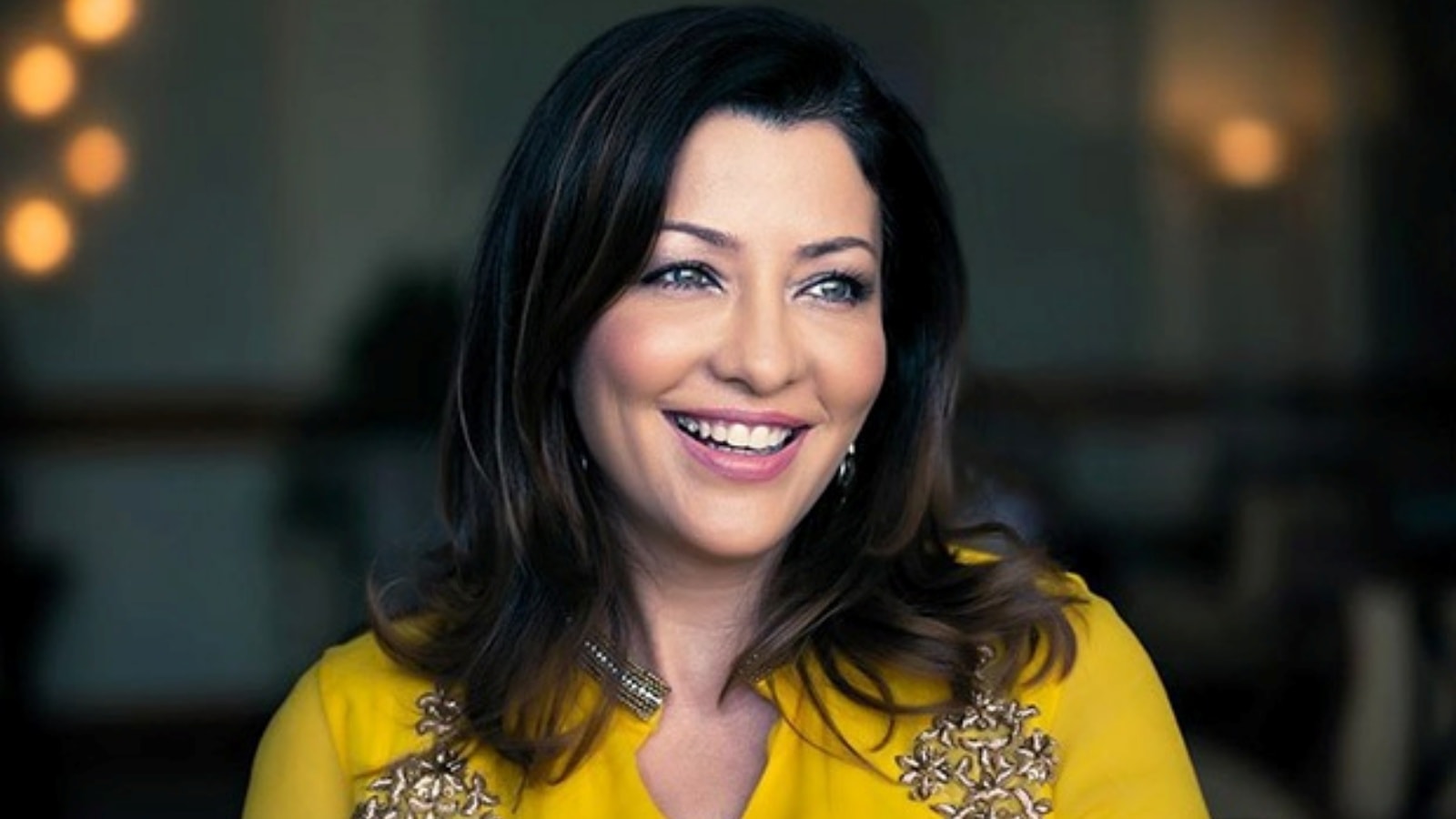
For over two decades, Aditi Govitrikar has championed conversations around women’s health, identity, and empowerment. Her recent remarks on how the titles ‘Ms’ and ‘Mrs’ continue to shape societal perceptions of women are bound to resonate with many. Earlier, reflecting on her historic Mrs World win in 2001, she candidly compared her experience with that of Priyanka Chopra and Lara Dutta, who were celebrated with grand rewards. “They were given a flat, a car, and all, and I was given a bouquet,” she said.
Yet Govitrikar’s journey extends far beyond the world of beauty pageants and modelling. While her Mrs World victory paved the way for married women to redefine themselves beyond the confines of marital status, she has continuously reinvented herself as a mother, entrepreneur, psychologist, wellness expert, and an actor.

In an exclusive interview shared through voice notes, Govitrikar reflects on her evolution from a full-time actor to a full-time psychologist, revealing how the foundation of her identity was laid long before the glamour industry came calling. While fame brought her visibility, she says, it was medicine that gave her perspective.
Here are edited excerpts:
Q. You are one of the few public figures who have successfully balanced medicine, modelling, acting, and pageantry. Looking back, which identity has shaped you the most, and why?
Govitrikar: Without a doubt, I would choose the identity of a doctor. Medicine taught me discipline, empathy, resilience, and the ability to look beyond appearances.
Whether I was walking the ramp, acting, or representing India internationally, the foundation of who I am was built in medical school and through my interactions with patients. The glamour industry gave me visibility, but medicine gave me perspective.
It constantly reminds me that every person has a story, a struggle, and a vulnerability that may not always be visible. That understanding has shaped every role I have played, as a professional, mother, entrepreneur, psychologist, wellness expert, and woman.
Q. As a doctor and wellness advocate, what are the biggest misconceptions Indian women still have about ageing, menopause, and preventive healthcare?
Govitrikar: One of the biggest misconceptions is that ageing is something to be feared or fought. Ageing is not a disease; it is a natural and inevitable stage of life. Similarly, menopause is often viewed as the end of youth, when in reality it can be the beginning of a deeply empowering phase.
Story continues below this ad
Another misconception is that women often seek healthcare only when something goes wrong. Preventive healthcare is still not a priority for many women, especially those who spend years caring for everyone else before themselves.
Regular health check-ups, strength training, good nutrition, stress management, and awareness about hormonal changes can dramatically improve quality of life. Women also need to stop normalising fatigue, poor sleep, mood changes, and weight gain as things they simply have to live with. There are solutions and there is support, but women need to feel empowered to ask for help.
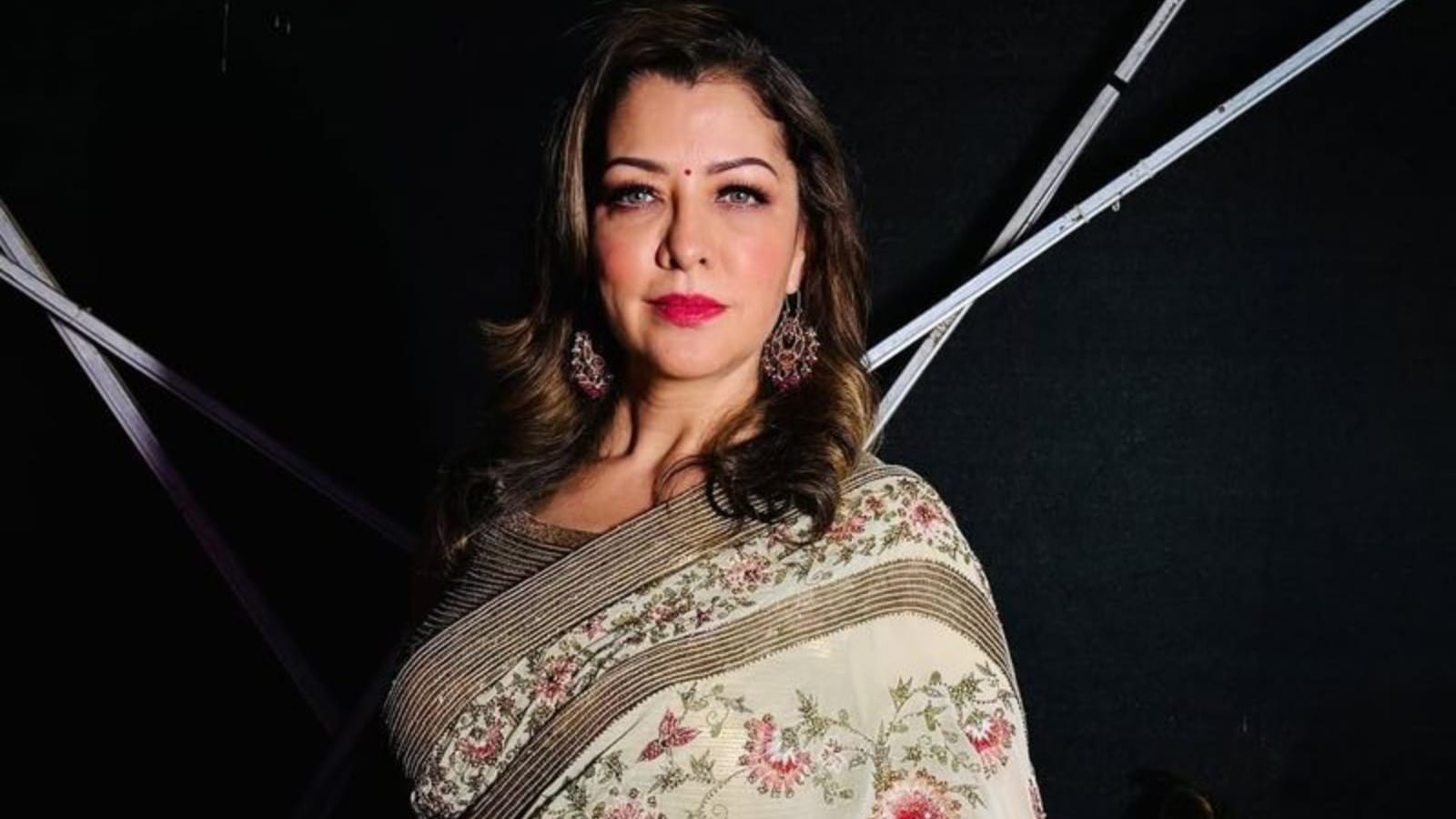 Aditi Govitrikar on her journey (Photo: PR handout)
Q. The beauty industry has changed dramatically since your modelling days. How do you view today’s social media-driven definition of beauty compared to the era when you started out?
Govitrikar: The industry has become far more democratic. When I started, there were very limited gateways into modelling and entertainment. Today, anyone with talent, creativity, and a smartphone can build a platform and reach an audience.
However, social media has also created unrealistic standards. Filters, editing tools, and the pressure to appear perfect often lead people to compare themselves with an illusion. Beauty may have become more visible, but in some ways it has also become less authentic. The positive shift is that conversations around diversity, inclusivity, body positivity, and age representation are finally gaining momentum. That makes me very happy. I believe true beauty lies in confidence, self-acceptance, and authenticity. The most attractive people are often those who are completely comfortable in their own skin.
Story continues below this ad
Q. You have spoken about experiencing abuse from someone your family trusted. Looking back, what do you think Indian families still get wrong about recognising abuse within familiar circles?
Govitrikar: The uncomfortable truth is that abuse often comes from people who appear trustworthy. Families tend to assume danger comes from strangers, when in reality it can exist within familiar environments.
One of the biggest mistakes families make is dismissing a child’s discomfort or instincts. We need to create spaces where children feel safe speaking up without fear of being judged, blamed, or silenced. Education around boundaries and consent needs to begin early. More importantly, adults must learn to listen. A child may not always have the vocabulary to explain what is happening, but changes in behaviour, withdrawal, fear, or anxiety should never be ignored. Silence protects abusers. Conversations protect children.
Q. You have previously said your Mrs World victory did not receive the same level of recognition as other international pageant wins around 2000–01. Do you think perceptions around married women played a role, and has that mindset changed today?
Govitrikar: I do believe societal perceptions played a role. At the time, beauty pageants were largely associated with youth, glamour, and unmarried women. A married woman winning an international beauty pageant title was a completely new concept, and perhaps people did not fully understand its significance.
That said, I have never measured the value of that victory by the recognition it received. The title gave me a platform and opened doors that helped shape my life and career. More importantly, it contributed to changing perceptions about married women in pageantry, especially in India.
Story continues below this ad
Thankfully, mindsets have evolved significantly. Today, women are redefining success and reinventing themselves at every age and stage of life. Married women, mothers, entrepreneurs, and professionals are no longer expected to fit into a single box.
Through initiatives like Marvelous Mrs India World, which I founded, I have seen women in their 30s, 40s, 50s, and even 70s step into the spotlight with incredible confidence and purpose. That shift is both inspiring and encouraging.
Q. Could you take us through your menopausal journey? Now that you’re 50, what does a typical day look like in terms of diet, fitness, and self-care? And have you encountered ageist stereotypes along the way?
Govitrikar: My menopausal journey taught me that even as a doctor, I could be surprised by how profoundly hormonal changes affect both the body and mind. There were moments of fatigue, changes in metabolism, sleep disturbances, and emotional fluctuations. What helped me most was understanding that these changes were biological and not personal failures. Today, my focus is not on fighting age or looking younger; it is on feeling stronger, healthier, and more energetic. My day usually begins with hydration, some form of movement, and mindfulness. As a vegetarian, I prioritise protein through foods such as tofu, soy, and paneer. I also make sure my meals include fibre, healthy fats, and nutrient-dense ingredients.
Strength training has become a non-negotiable part of my routine because maintaining muscle mass becomes increasingly important as we age. I also pay much closer attention to sleep and recovery than I did in my younger years. I make it a point to get at least 7 hours of sleep every night, with 8 hours as the ideal target.
Story continues below this ad
As for ageist comments, yes, they happen. Society often places unrealistic expectations on women regarding how they should look, behave, or what they should achieve by a certain age. But today, I see age as a badge of experience, wisdom, and growth. Every year has added value to my life, and I have no interest in apologising for growing older. In fact, I feel more comfortable in my own skin today than I ever did before. For me, that is the real definition of beauty and success.