Prateek Tanmay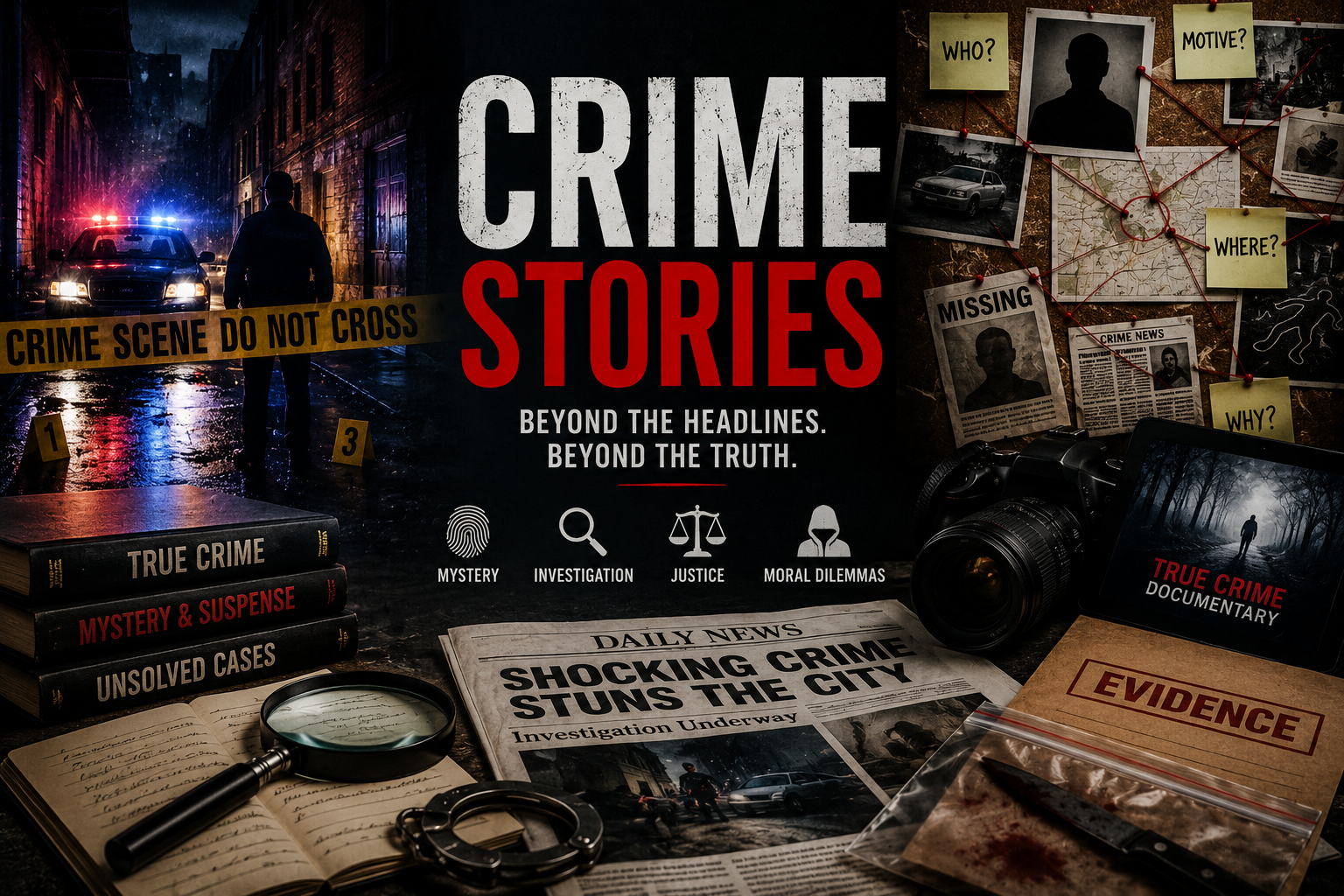
Introduction
Crime stories have intrigued audiences for centuries, captivating readers and viewers alike with tales of mystery, suspense, and moral dilemmas. From classic novels to contemporary documentaries, the genre of crime stories offers a broad spectrum of narratives that explore the darker aspects of human nature. This article delves into the various facets of crime stories, examining their evolution, different types, and their societal impact.
The Evolution of Crime Stories
The genre of crime stories has evolved significantly over time, reflecting societal changes and advances in storytelling techniques. The earliest crime narratives can be traced back to ancient civilizations, where tales of wrongdoing were often conveyed through oral traditions. As literature developed, authors like Edgar Allan Poe and Arthur Conan Doyle introduced complex characters and plot twists that laid the groundwork for modern crime fiction.
Classic Crime Literature
Classic crime literature remains a cornerstone of the genre, showcasing intricate plots and psychological depth. Poe’s short stories, such as “The Murders in the Rue Morgue,” introduced the detective archetype, while Doyle’s Sherlock Holmes series established a blueprint for mystery-solving that is still popular today.
Modern Crime Fiction
In contemporary times, crime stories have branched into various sub-genres, including psychological thrillers, legal dramas, and true crime. The rise of authors like Agatha Christie, Patricia Highsmith, and more recently, Gillian Flynn, has demonstrated the genre’s potential to explore complex themes such as morality, justice, and the psyche of criminals.
Types of Crime Stories
Crime stories can be generally classified into two main categories: fictional narratives and true crime accounts. Each offers unique insights into criminal behavior and societal reactions.
Fictional Crime Narratives
Fictional crime stories, whether in literature or film, allow for creative exploration of crime and justice. They often feature protagonists who are detectives, criminals, or ordinary individuals caught in extraordinary circumstances. These narratives frequently challenge readers to consider moral ambiguities, the nature of evil, and the implications of justice.
Police Procedurals
This sub-genre focuses on the procedural aspects of law enforcement, providing readers with a realistic portrayal of how crimes are investigated. Series like “The Wire” and novels by authors such as Michael Connelly highlight the complexities and challenges faced by police officers.
Psycho-thrillers
Psycho-thrillers delve into the minds of criminals, often exploring themes of obsession and psychological instability. Works like “Gone Girl” illustrate how personal relationships can spiral into criminal acts, leaving readers questioning the reliability of their narrators.
True Crime Accounts
True crime stories recount real-life criminal cases, often focusing on notorious criminals or high-profile unsolved mysteries. These narratives provide insights into criminal behavior and the judicial process, often stirring public interest and debate.
Impact on Society
True crime has gained immense popularity, especially with the rise of podcasts and documentaries. Programs like “Making a Murderer” and podcasts such as “Serial” not only entertain but also provoke discussions about the justice system, ethical considerations in crime reporting, and the societal effects of crime.
Conclusion
Crime stories, whether fictional or based on real events, provide a rich tapestry of narratives that engage audiences while prompting critical reflection on human behavior and societal norms. As the genre continues to evolve, it remains a powerful lens through which we can explore the complexities of crime and justice. The allure of crime stories lies not just in their thrilling plots, but in their ability to reflect and challenge our understanding of morality, ethics, and the human condition.