Prateek Tanmay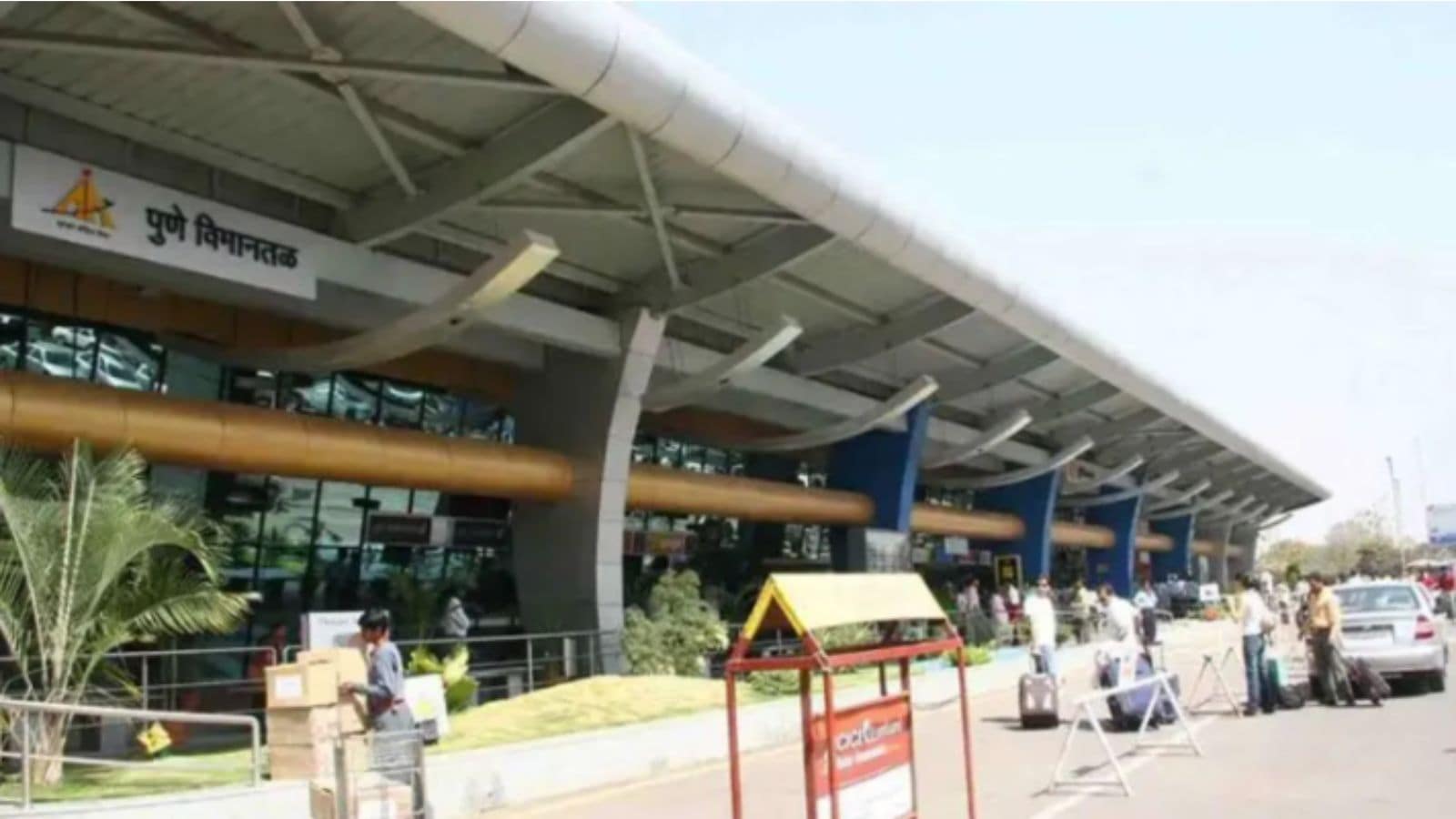
With the World Health Organisation (WHO) declaring the Ebola outbreak in the Democratic Republic of Congo (DRC) and Uganda a Public Health Emergency of International Concern (PHEIC) on May 17, India has moved swiftly to step up surveillance and screening measures, including at Pune’s international airport.
The outbreak, caused by the Bundibugyo virus (BDBV) strain of Ebola, has placed countries bordering DRC and Uganda, including South Sudan, at high risk of transmission. While the WHO has assessed the risk to countries outside the affected African region as low, the volume of international travel and trade has made preparedness a priority.
On May 21, the Union Ministry of Health and Family Welfare issued a directive to states, outlining a set of preparedness measures. “While the current assessment indicates that the risk to countries outside the affected African region remains low, the substantial quantum of international trade and travel underscores the importance of maintaining adequate preparedness and response capacities at all levels of the health system,” it stated.
The directive called for enhanced disease surveillance under the Integrated Disease Surveillance Programme (IDSP), with particular attention to symptoms like fever, weakness, muscle pain, headache, sore throat, vomiting, diarrhea, stomach pain, rash, and red eyes, especially among individuals with recent travel to affected areas.
States were also asked to identify designated isolation facilities, arrange dedicated ambulances, and ensure availability of trained healthcare personnel, personal protective equipment (PPE), laboratory support, and critical care capacity.
On the testing front, the ICMR’s National Institute of Virology (NIV), based in Pune, has been confirmed as fully equipped to test samples from suspected cases – whether detected during health screening at points of entry or in the community. Additionally, ICMR network laboratories are also being strengthened for diagnostic testing as the situation evolves.
Airports, ports, and state and district surveillance units have been asked to step up coordination to ensure a swift response at points of entry.
Screening at Pune airport
Story continues below this ad
Acting on the central directive, health authorities commenced Ebola screening at Pune airport on Friday. International passengers – particularly those with travel history to Ebola-affected countries or those who have transited through high-risk regions – are being subjected to basic health checks.
Passengers are screened using thermal scanners to detect fever and are also required to complete a self-declaration form detailing their travel history over the past 21 days, including whether they visited affected countries such as the DRC.
While Pune does not have direct flights to or from the affected African nations, health officials have flagged that the risk cannot be ruled out, as passengers may arrive through connecting flights via international transit hubs. On average, around 150 international passengers land in Pune daily, on flights arriving from Dubai and Bangkok.
So far, 23 passengers with recent travel links to Ebola-affected countries have been identified and screened across Maharashtra – one in Pune and 22 in Mumbai. All have tested negative, officials from the state public health department said.
No cases in India
Story continues below this ad
On Friday, the WHO’s International Health Regulations (IHR) Emergency Committee issued temporary recommendations on the epidemic, urging countries to strengthen disease surveillance at points of entry to detect and manage travellers with unexplained fever arriving from areas with documented BDBV detection.
The Union Ministry of Health and Family Welfare, in its travel advisory issued on Saturday, confirmed that India has not reported any cases of Ebola disease caused by the Bundibugyo virus strain.
Health authorities have advised that any person who has had direct contact with the blood or bodily fluids of someone confirmed or suspected to have Ebola should immediately report to health authorities at the nearest port of entry. All measures are being taken as a precaution.