Prateek Tanmay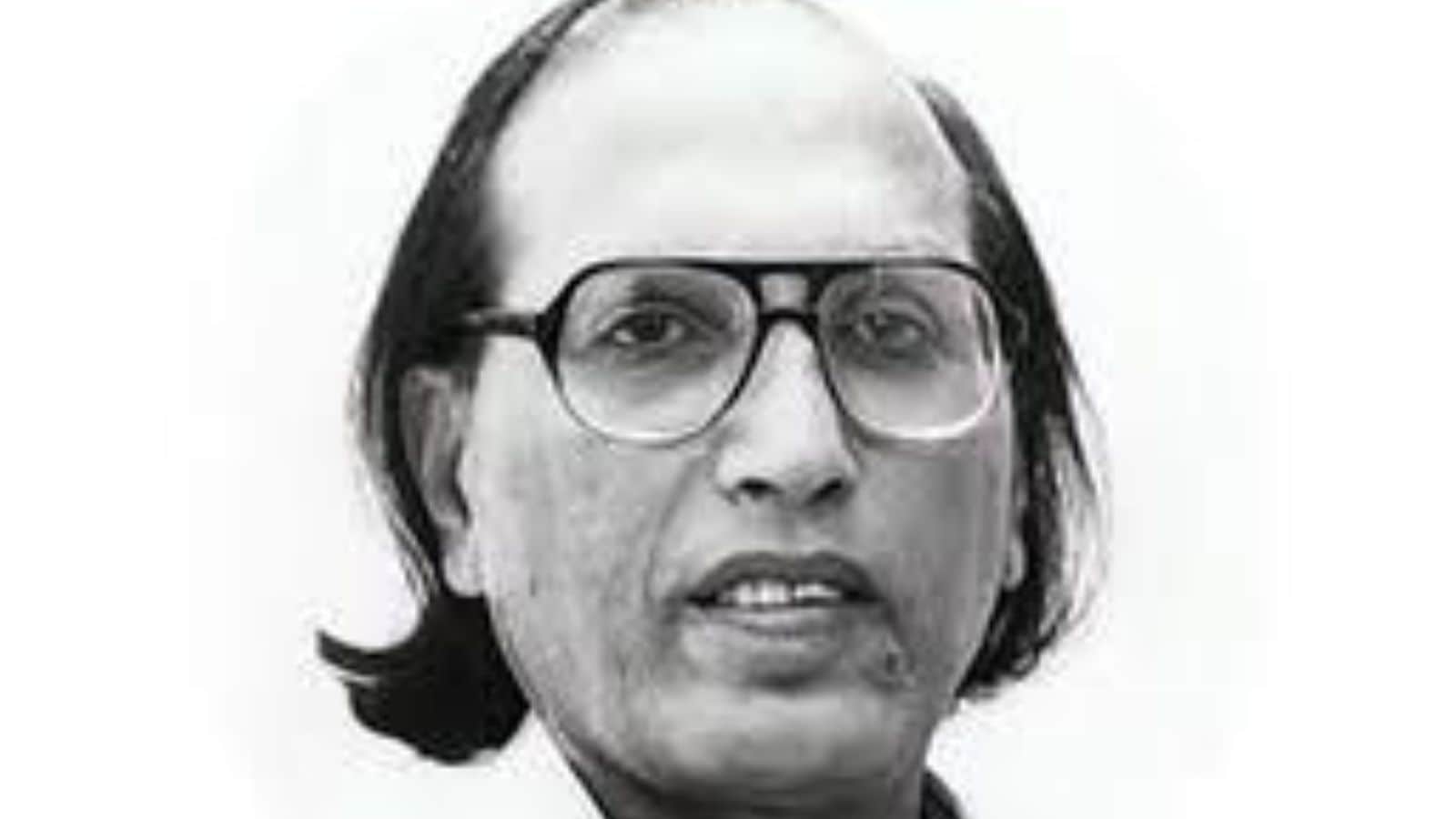
4 min readUpdated: May 28, 2026 10:42 PM IST
In July 1972, when former Pakistan Prime Minister Zulfeqar Ali Bhutto came to India to sign the landmark Simla Agreement on bilateral relations between India and Pakistan, he reached for an Urdu couplet to capture the moment. The couplet, he chose—Dushmani jam kar karo lekin ye gunjaaish rahe, jab kabhi hum dost hojaayein to sharmindah na hon (Perform your duty as the enemy wholeheartedly, but make sure that if we ever become friends, we are not embarrassed)–had been written by the poet Bashir Badr, who passed away at his home in Bhopal on Thursday. He was 91.
Born in the winter of 1935 in Ayodhya, which was then part of the United Province in British India, to a civil servant father and “pious” mother, Bashir was a prodigious child. He composed his first couplet when he was just seven, reciting his first ghazal before an audience in 1946 in the city of Etawah, where he was given the title, Badr, meaning the moon, which he chose as his takhallus (pen name).

He was a meritorious student, collecting many awards and trophies, as he pursued his education up till his doctorate from the Aligarh Muslim University. Upon completing his education, he returned to his alma mater as a lecturer, before joining Meerut College as the Head of the Urdu department, a post he continued for 17 years.
When Badr was tested on his own couplet
He is known for modernising the Urdu ghazal, making it more colloquial. Such was his fame and popularity that when he was pursuing higher education, during a viva, he was asked to extrapolate his own couplet:
“Ab hum milenge toh kayi log bichad jayenge, intezar aur karo mera agle janam ka (If we meet, many people will be separated; wait a little longer for me, until the next life).”
His son, Tayeb Badr, speaking to the PTI recalled that the examiner who did not know that Badr was one who had authored the couplet, much to his father’s surprise, disagreed with his interpretation.
It was while he was teaching at Meerut College that he met the historian S Irfan Habib, who helped him find a house nearby. “His romantic and political ghazals made him a popular figure in mushairas, and so he was often travelling,” he told indianexpress.com over the phone. “When he could no longer balance his poetic commitments with his teaching, he resigned.”
But, it was ultimately grief that firmed his decision to leave the city. In 1986, communal riots broke out after the courts ordered the locks of the Babri Masjid to be unlocked, and Badr’s house in Shastri Nagar, which was a composite neighbourhood, was attacked, recalls Habib. “The poet moved to Bhopal, from where his wife’s family hailed.” It was after this incident that he wrote the popular couplet:
“Log toot jaate hain ek ghar banane mein, tum taras nahi khate bastiyan jalane mein.”
Story continues below this ad
The oveure
Badr leaves behind seven collections of poems in Urdu and one in Hindi to his credit, including collections of ghazals Ikai, Kulliyate Bashir Badr, Aamad, Image, Aahat, and Ujale Apni Yadon Ke (The Light of my Memories) in the devnagir script. He authored two books, Azadi Ke Bad Urdu Ghazals Ka Tanqidi Mutala (A Critical Study of the Urdu Ghazal after Independence) , and Biswin Sadi Mein Ghazal (The Ghazal in the Twentieth Century).
The government of India awarded him with the Padma Shri in recognition of his poetic excellence, in 1999.
“He passed away today, but we lost him a decade ago,” Habib said, adding that the poet had been bedridden with Parkinson’s and dementia for a decade.
A luminary of Udu letters, Badr, will continue to be celebrated and remembered across the world.