Prateek Tanmay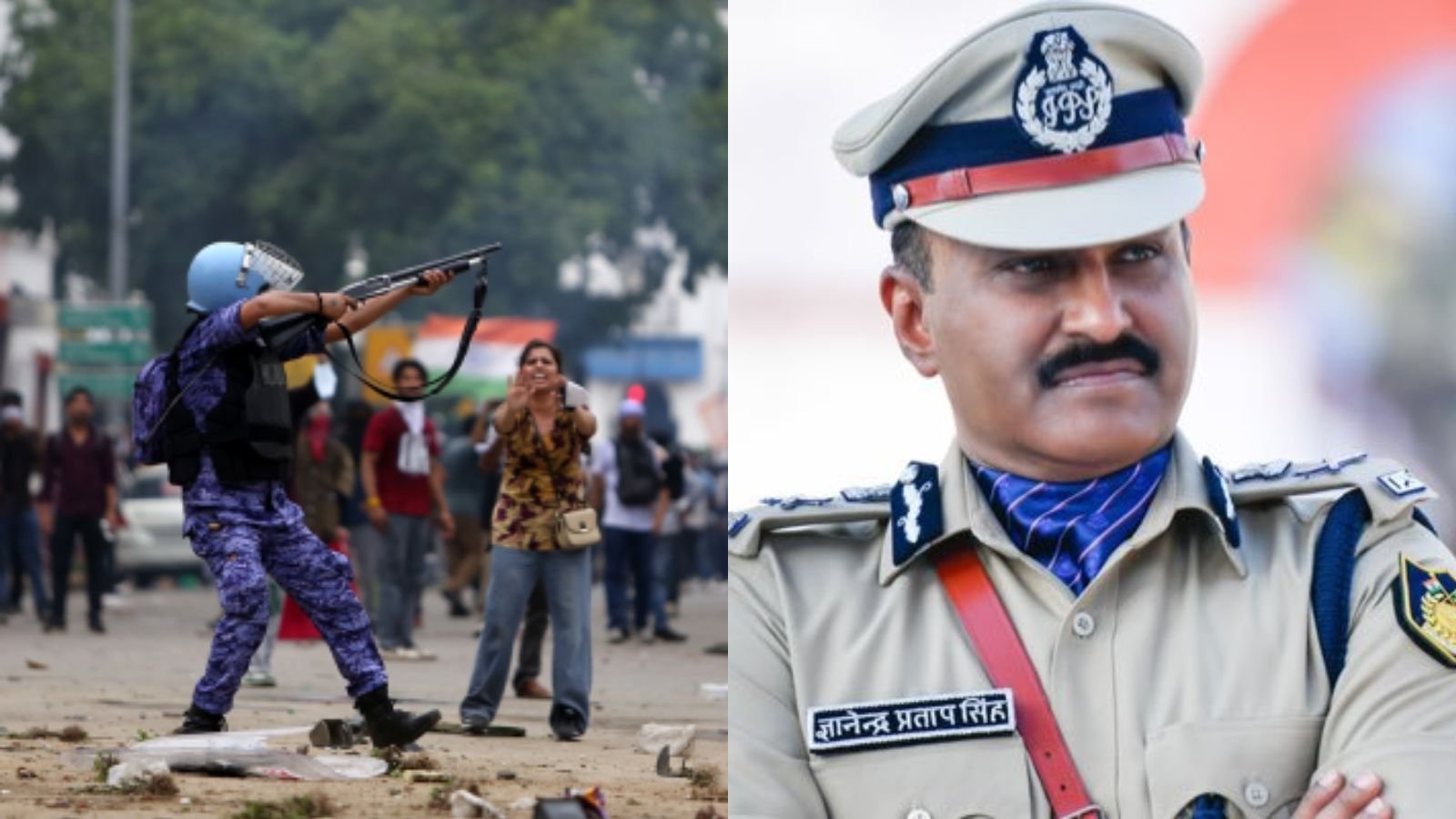
3 min readNew DelhiUpdated: Jul 30, 2026 09:29 AM IST
Amid the row over the use of pellet guns by security personnel to control the crowd during the protest in Delhi’s Jantar Mantar, the chief of the Central Reserve Police Force (CRPF) has told the troops that they must act fearlessly and that he would take responsibility for their actions.
Addressing the force’s investiture ceremony on Monday, CRPF Director-General Gyanendra Pratap Singh said, “As the Director-General of the CRPF, I want to assure each one of you that whether it is an operational battalion or a law-and-order unit, whatever decisions you take and whatever actions you carry out in the bona fide discharge of your duties, I take responsibility for all those decisions and actions. “Continue to perform your duties fearlessly. Wherever responsibility or accountability needs to be taken, I will take it as the Director-General,” Singh said.

RAF under scrutiny
The CRPF’s Rapid Action Force (RAF) is under scrutiny for its handling of the situation at Jantar Mantar and other parts of central Delhi during the Cockroach Janta Party’s (CJP) July 20 march to Parliament to protest paper leaks. A specialised unit of CRPF, was raised in 1992 to deal with riots and other public disturbances.
Earlier this month, RAF Inspector General Seema Dhundhia is learnt to have told all the personnel that the “force gradient” adopted for crowd control during the Parliament march on July 20 was not in accordance with prescribed standards and RAF training. The observation came after an internal review flagged serious operational lapses when protesters were marching towards Parliament, with three persons receiving pellet gun injuries. In policing, a force gradient refers to different levels of force that police may use depending on the threat or resistance they face.
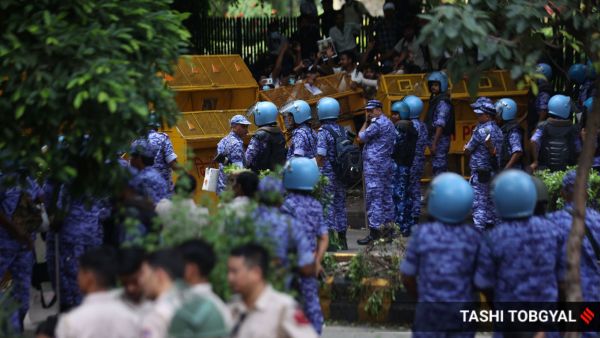 The RAF, a specialised unit of the Central Reserve Police Force (CRPF), was raised in 1992 to deal with riots and other public disturbance. (Express photo by Tashi Tobgyal)
According to sources, Dhundhia told officers that no proper and timely briefing of personnel was conducted before they were deployed around Jantar Mantar and Parliament on July 20. The sources said the RAF chief said that personnel who have recently been transferred from special operations zones such as Jammu and Kashmir should not be immediately assigned to crowd-control duties in Delhi. “She emphasised that personnel transferred from the special operations zone such as Jammu & Kashmir, or other operational areas, possess a different work environment and operational perspective, but sectors such as Delhi, Bihar, Assam and Maharashtra require a distinct and balanced approach to crowd control and public order management,” a source said.
“Officers were instructed that force must be used only to the extent necessary, in a judicious, fair, balanced and sensitive manner. They were also told that before using force, personnel should issue necessary warnings and use graded crowd-control measures such as lathicharge, tear smoke and other approved methods only according to the situation,” the source added.
According to senior officers, the RAF’s role had been appreciated at the sector level, but an internal assessment showed “serious shortcomings” in several aspects of the deployment that required immediate correction.