Prateek Tanmay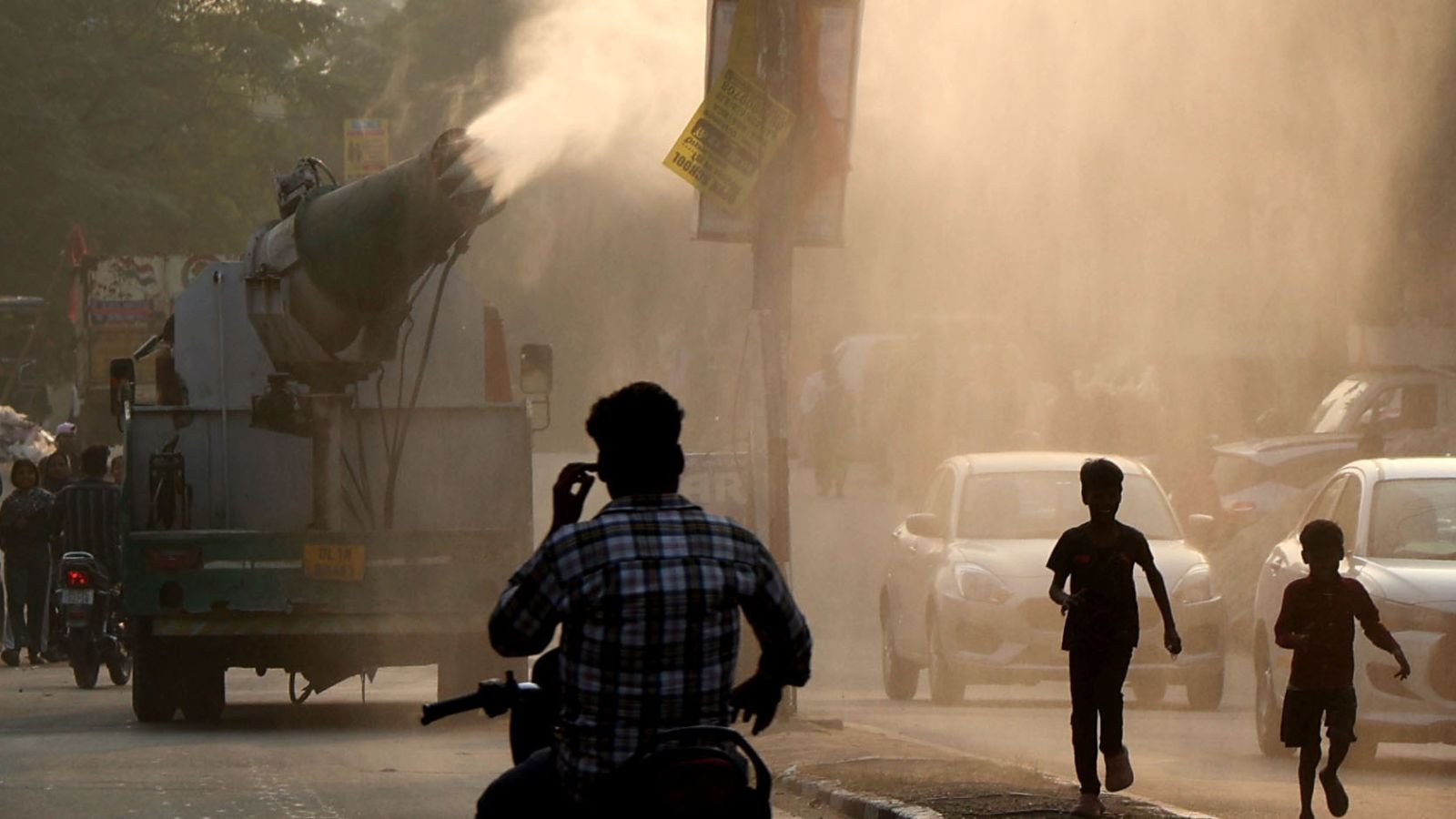
3 min readPuneJul 30, 2026 06:31 PM IST
With Pune’s Environment Status Report (ESR) flagging concerns about deteriorating air quality, the civic administration has planned an epidemiological survey to assess the relationship between ambient PM2.5 concentrations and the prevalence of asthma and other respiratory diseases. This will help provide data on vulnerable population groups, pollution hotspots and disease patterns associated with long-term exposure to fine particulate matter.
Madhav Jagtap, Deputy Commissioner (Environment), Pune Municipal Corporation, told The Indian Express that the ESR showed a drop in good air days and a rise in levels of fine particles PM 2.5 and PM 10 and nitrogen dioxide. He said there is a need to integrate air quality monitoring data with public health records and field surveys so that the findings can support air pollution mitigation strategies.

2.6L Punekars with asthma
Dr Sundeep Salvi, noted respiratory scientist and Pune based Director of Pulmocare Research and Education (PURE) foundation has made a strong pitch for investing in asthma control. “Based on published prevalence estimates of around 3.5 % in Pune , there are an approximate 2.60 lakh persons with asthma of which 64k are children less than 14 years,” Dr Salvi said.
The expert has in fact in a written comment on the latest study in The Lancet Respiratory Medicine made an impassioned appeal for investing in good asthma control. As per the study asthma would cost the global economy nearly US $ 863 billion between 2025 and 2050 through lost productivity, disability and healthcare expenditure.
“In India this figure is Rs 1.9 lakh crore. While India carries one of the world’s largest asthma burdens (32.3 million) a large number of patients remain undiagnosed and inadequately treated. Asthma is often dismissed as a minor illness but uncontrolled asthma leads to missed school days and frequent hospital visits,” Dr Salvi said.
“This study reminds us that investing in asthma control is not just a healthcare expense but an investment in the nation’s human capital and economic growth. Early diagnosis, access to affordable inhaled medicines, better patient education and reducing exposure to tobacco smoke and air pollution can improve both health and productivity,” Dr Salvi added.
Collective ‘writes to Mayor, no response’
Experts with Pune’s Air Action Hub, a collective of citizens, organisations, medical practitioners and academicians working for better air quality in Pune have been following up with the Mayor of Pune on recommendations they had given for actions leading to mitigation.
Story continues below this ad
Sharmila Deo, Senior Programme Associate with Parisar – part of the Air Acton Hub- said that a recent study showed increased pollution in the city leads to a rise in the sale of medicines used in nebulizers for asthma. “We had made a suggestion referring to this study that suggests data on nebulizer medication used for asthma can be used for surveillance. This method can be more convenient and can be piloted by the health department to provide a concrete estimate of the demand for medicines for respiratory disorders in government hospitals. However there has been no response from the Mayor’s office,” Deo said.