Prateek Tanmay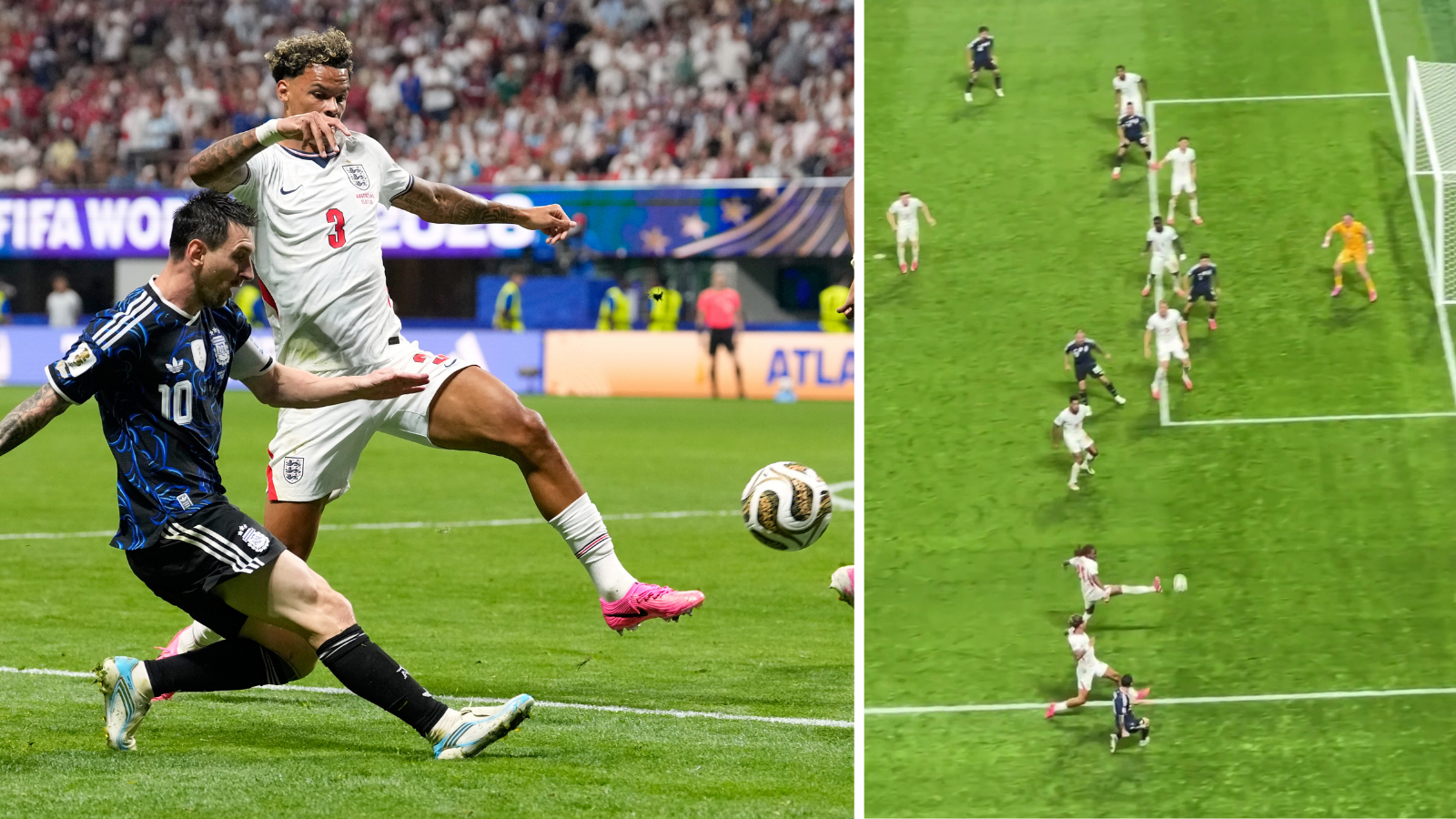
5 min readMumbaiUpdated: Jul 16, 2026 05:00 PM IST
Lionel Messi glanced up for barely a heartbeat.

It was stoppage time of the World Cup semi-final. Argentina had already rescued themselves once, and now sensed one last opportunity to avoid extra time. Inside England’s penalty area stood a wall of white shirts. One defender rushed out to close Messi down, another threw out a desperate leg to block the cross. Three more occupied the six-yard box, each standing exactly where a delivery ought to land. Jordan Pickford lurked behind them, waiting for anything overhit.
The passing lane didn’t exist. Or so it seemed.
Messi’s right foot clipped the ball into the night sky. It rose over the first challenge, skimmed above the heads of England’s defenders by inches, drifted beyond Pickford’s reach, left him in a dilemma whether to commit or leave, and, almost impossibly, dipped at precisely the moment Lautaro Martínez arrived at the far post. By the time the Argentina striker nodded home the winner, guiding the defending champions to a second successive final, the ball had travelled over almost the entire England defence before landing gently on his forehead.
ALSO READ | How Argentina and Messi unlocked chaos in comeback win for the ages
Zlatan Ibrahimovic, the Swedish great, gushed on Fox: “I had said yesterday that you’re going to see the left foot of God. You got to see the right foot of God … beautiful moment.”
Football has always celebrated players who beat defenders with feints and dribbles.
Story continues below this ad
Diego Maradona’s ‘Goal of the Century’ against England in 1986 remains perhaps the sport’s greatest act of individual brilliance. Starting inside his own half, he dribbled past five outfield players, rounded Peter Shilton and rolled the ball into an empty net. Forty years on, against the same opponents, Argentina produced another moment that belonged in the same conversation. Maradona erased six Englishmen by carrying the ball. Messi erased six with a cross.
Messi has made those weaving runs, too. The slalom against Getafe, that run through Athletic Bilbao and countless solo goals for Barcelona belonged to a footballer who bent matches at his will, with his legs. That version of Messi is gone.
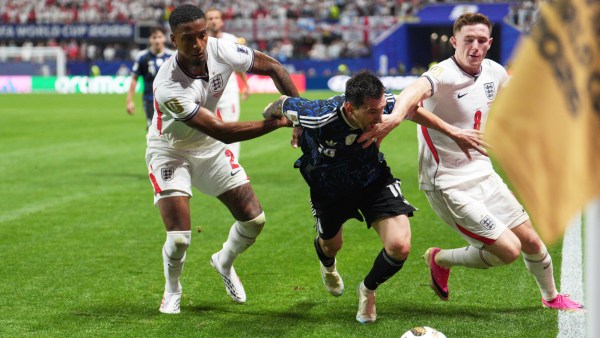 Argentina’s Lionel Messi in action during the World Cup semifinal vs England. (AP)
Age takes away the explosive first step, the relentless dribbles and the ability to outrun younger players for 90 minutes. What it cannot touch is vision. If anything, it sharpens it.
At 39, Messi solves football’s problems differently.
Against England, he wasn’t looking at defenders. He was looking beyond them. Where most footballers would have seen a penalty area crowded with bodies, Messi spotted a passing route that wasn’t through defenders but above them.
Story continues below this ad
The margin for error was microscopic. A fraction lower and it strikes a defender. A fraction longer and Pickford claims it. A fraction slower and the opportunity disappears. The window existed for barely a second.
ALSO READ | The six minutes England will rue forever, and Argentina will savour for years
Messi found the only solution: going aerial. Perhaps even more astonishing was the foot he used.
For nearly two decades, coaches have devised plans around forcing Messi onto his weaker side. Every full-back who has faced him has been told the same thing: don’t let him come inside onto his left. England did exactly that. For a fleeting moment, it even looked as though Messi would check back and recycle possession to a teammate waiting outside the box.
Story continues below this ad
Instead, he trusted his weaker right foot. The cross he produced is one many elite wingers would struggle to deliver with their stronger one. As much as the execution, it was the imagination that made it extraordinary. He saw an angle that didn’t appear to exist and a space that revealed itself only after the ball had travelled through it.
This assist deserves to sit alongside the greatest goals Messi has scored. Not just because it was spectacular at first glance, but also because every replay makes it seem even more impossible. Watch it once and it looks like a fine cross. Watch it again and you begin counting the defenders it clears. Freeze the frame and you wonder how the ball found its way through a corridor that appeared not to exist.
At 25, Messi might have dribbled through six defenders. Now, he simply looks up, trusts his weaker right foot and lifts the ball over them, and Argentina into another World Cup final.