Prateek Tanmay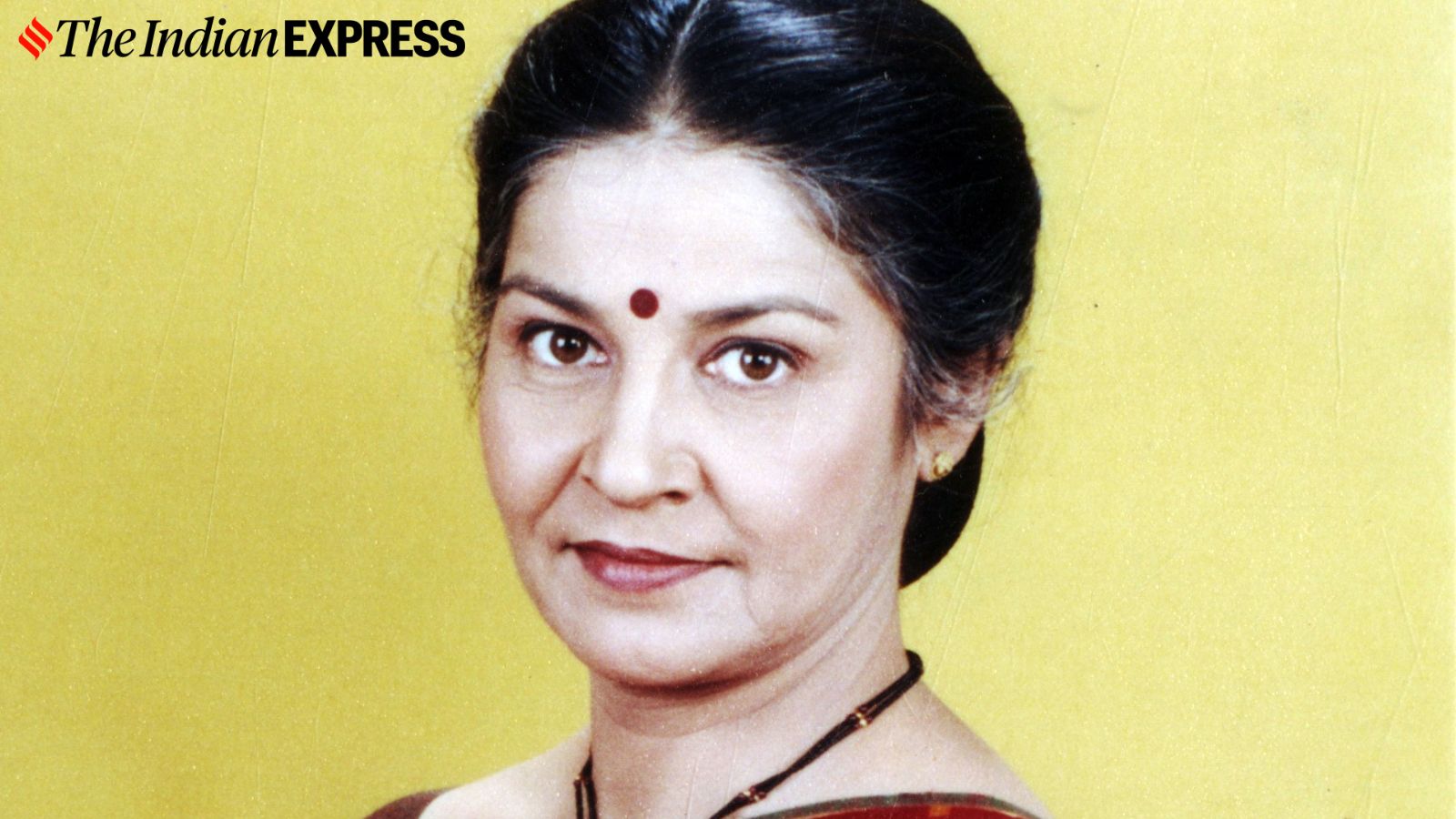
5 min readNew DelhiJun 23, 2026 01:00 AM IST
Society often places timelines on major life decisions such as marriage, parenthood, and settling down. Veteran actor Suhasini Mulay recently reflected on her decision to marry after 60 and the thought process that led her there.
She revealed in an interview with Suhana Safar that while she had met many people over the years, she never found someone who matched her expectations of equality and partnership until she met her husband, Atul Gurtu. Speaking about her hesitation before taking such a major step later in life, she said, “I thought about it ki kya ab 60 saal ke umar mein, main aapni zindagi ka rukh badalna chahti hoon? I thought kya hoga? The worst case scenario will be shaadi karenge, nahi pategi, tum tumhare raste, main aapne raste. Bina kisi gila ke, kadwahat ke. Toh, I thought shayad naa chalein (I thought about it and asked myself, do I really want to change the course of my life at the age of 60? I wondered what could happen. The worst-case scenario would be that we get married, it doesn’t work out, and then you go your way, and I go mine, without any resentment or bitterness.)”

DISCLAIMER: This article is based on information from the public domain and/or the experts we spoke to.
She also shared her mother’s humorous reaction to the marriage. “Meri maa kehti thi ki tumhare jo hath ki lagaam hai voh bahut saal pehle chodh di, kyunki nikal gayi voh. Bhagwan jaane kaun tumhe jhelega. Voh baar baar Atul se poochti thi ki are you happy? Are you okay? (My mother used to say that she had let go of the reins of my life many years ago because I had become completely independent. She would often joke, ‘God knows who will be able to put up with you.’ She would repeatedly ask Atul, ‘Are you happy? Are you okay?)’.”
Suhasini also spoke candidly about her decision not to have children. “I used to work in documentary films and travelled 15 days a month, now, once you give birth to kids, you can get rid of a husband, not kids. Then your focus shifts from career to kids. I don’t find anything wrong in this, but I said, ‘No, I can’t.’” Her remarks highlight broader conversations about personal choice, partnership, parenthood, and the importance of aligning life decisions with one’s own values rather than social expectations.
Emotional adjustments to finding love later in life
Sonal Khangarot, licensed rehabilitation counsellor and psychotherapist, The Answer Room, tells indianexpress.com, “Entering a serious relationship or marriage later in life can be deeply rewarding, but it also comes with unique emotional adjustments. After years or even decades of living independently, people often develop strong routines, preferences, coping mechanisms, and a clear sense of personal space. While these habits create comfort and stability, sharing life with another person may require flexibility, compromise, and a willingness to adapt.”
Many individuals may also experience vulnerability around emotional intimacy. Khangarot mentions that being self-reliant for a long time “can make it challenging” to “depend on someone else or allow another person to witness their fears, insecurities, and unmet needs.” There may also be concerns about losing independence, changing established lifestyles, or navigating family dynamics involving adult children or ageing parents.
Story continues below this ad
The key is recognising that healthy relationships do not require sacrificing individuality. Instead, the expert says, they involve creating a partnership where autonomy and connection can coexist, allowing both people to grow while maintaining their unique identities.
Identifying an equal and supportive life partner
Determining whether someone is an equal life partner goes beyond shared interests or chemistry. Khangarot reveals that it involves observing how well your core values, long-term goals, and approaches to life align. Conversations around marriage, parenthood, finances, career ambitions, family expectations, and lifestyle choices should happen openly and early enough to identify potential areas of compatibility or conflict.
It’s important to pay attention to actions rather than relying solely on promises. A supportive partner is someone who respects your individuality, celebrates your achievements, considers your perspective during decision-making, and is willing to navigate differences through healthy communication rather than control or criticism.
“When major life decisions such as marriage or having children are involved, compatibility is less about finding someone exactly like you and more about finding someone whose vision for the future can realistically coexist with yours. Mutual respect, emotional maturity, shared responsibility, and the ability to work as a team are often stronger indicators of long-term success than attraction alone,” concludes Khangarot.
Story continues below this ad
DISCLAIMER: This article is based on information from the public domain and/or the experts we spoke to.