Prateek Tanmay
4 min readNew DelhiJun 25, 2026 11:01 AM IST
Think you have eagle eyes? Here’s a fun challenge that might make you think twice. Spot-the-difference puzzles are more than just a way to pass the time — they encourage you to slow down, focus on details, and pay closer attention to what you’re seeing. While the two images may look identical at first glance, a careful observer knows that appearances can be deceiving. Hidden within seemingly ordinary scenes are subtle changes waiting to be discovered.
Today’s puzzle features an old man peacefully sleeping on a sofa. It looks like a simple, cosy scene, but don’t let that fool you. Somewhere between the two side-by-side pictures, there are three differences cleverly tucked away. Some may jump out immediately, while others require a little more patience and concentration to uncover. The challenge is simple: can you find all three before the 19-second timer runs out?

DISCLAIMER: This article is based on information from the public domain and/or the experts we spoke to.
These visual puzzles have become a favourite among readers because they combine entertainment with a quick mental workout. Whether you’re taking a break from work, enjoying a quiet moment with your morning tea, or simply looking for a light challenge, this puzzle is a great way to put your observation skills to the test. Set your timer, scan every corner of the image, and see if you can spot what others miss.
Can you beat the 19-second challenge?
Take a close look at the two pictures of the old man sleeping on the sofa. They may appear exactly the same, but three small differences are hiding in plain sight. Your mission is to find them all in just 19 seconds.
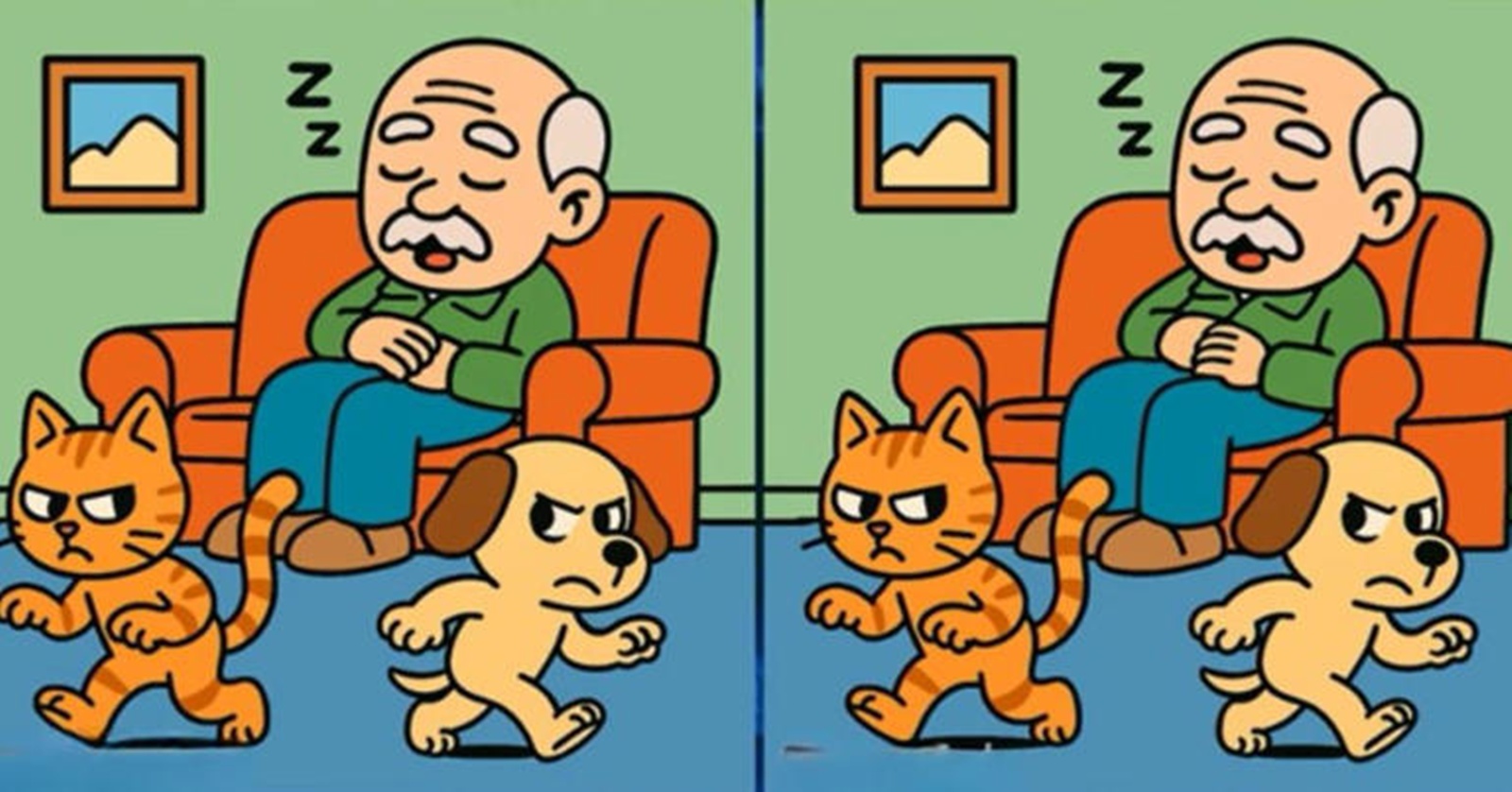 Where are the hidden differences in the image? (Source: Captain Brain)
Need a little help? Here are a few spoiler-free hints:
- Don’t focus only on the old man—look carefully at the objects around him too.
- Pay attention to small details in the room, as background elements can sometimes hold the trickiest clues.
- Compare one section of the image at a time instead of scanning randomly.
Ready?
The countdown begins now:
5
4
3
3
1…
Time’s up!
Did you manage to spot all three differences before the clock ran out?
Story continues below this ad
How spot-the-difference puzzles benefit the brain
Counselling psychologist Athul Raj tells indianexpress.com, “We often underestimate activities that feel playful, but these puzzles are quietly asking the brain to practise something many of us are losing — sustained attention. To find subtle differences, we have to slow down, look carefully and resist the urge to rush.”
That may sound simple, but it’s increasingly uncommon. Most people are now used to consuming information quickly rather than sitting with one task for a few uninterrupted moments.
Raj notes, “I wouldn’t exaggerate their impact and say they transform cognitive function, but they can certainly exercise attention, concentration and visual awareness. Their biggest value, in my opinion, is behavioural. They nudge us out of autopilot and remind us what focused engagement feels like.”
Why do some people spot differences faster than others?
People often assume that someone who spots differences quickly is more intelligent, but observation and intelligence are two different things. The brain is designed to be efficient, not exhaustive. Instead of processing every single detail, it takes shortcuts and fills in gaps based on what it expects to see.
Story continues below this ad
“Some people naturally have stronger attention to detail, while others are more deliberate in their approach. But our mental state matters just as much. If we’re tired, stressed or mentally juggling several things at once, our ability to notice subtle information declines. In many ways, these puzzles reveal something larger about modern life: we are surrounded by information, but that doesn’t necessarily mean we’re paying attention to it. Seeing and noticing are not the same skill,” concludes Raj.
Think you’ve cracked it? Don’t miss the answer. Come back next Thursday for the next edition of our Spot the Difference brain teaser, where we’ll reveal all three hidden differences from today’s puzzle and challenge you with a brand-new visual mystery.
DISCLAIMER: This article is based on information from the public domain and/or the experts we spoke to.