Prateek Tanmay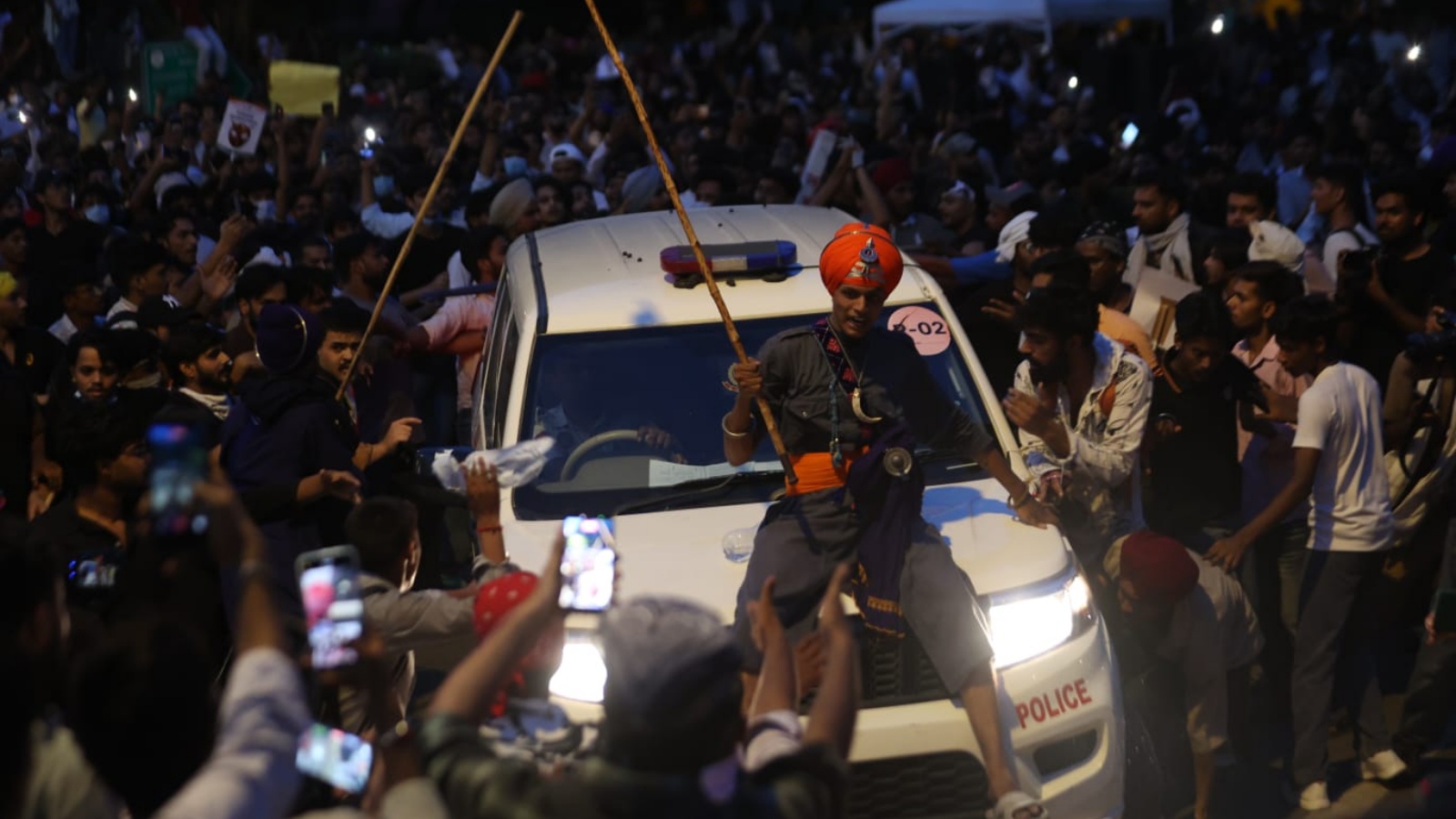
3 min readNew DelhiUpdated: Jul 23, 2026 02:07 AM IST
Claiming that CJP’s ‘Sansad Chalo’ march was far more organised than it had initially appeared, the Delhi Police has widened its investigation into the 10 FIRs it had registered in relation to the protest by examining encrypted chats on the Bitchat app, locality- and college-based WhatsApp groups, social media posts, CCTV camera footage, mobile phone data and facial recognition records.
Senior officers said 20 teams have been constituted, with each assigned a specific aspect of the probe. While some teams are analysing social media content and digital communication, others are examining call detail records, mobile dump data, CCTV footage and facial recognition system inputs to identify those involved.

According to sources in the police, investigators have recovered chats from several WhatsApp groups that allegedly contained detailed instructions on what participants should carry – including pepper spray – what to do if detained, and whom to contact from the designated legal teams that were allegedly kept on standby.
Officers said the chats point to what “a well-prepared strategy for the protests”.
Police further said that two social media handles that were allegedly spreading misinformation related to the protests have been blocked.
The investigation is also looking at the size of the crowd. Senior officers said that while Jantar Mantar can accommodate around 1,500-1,800 people, an estimated 40,000-50,000 people gathered there on the day of the march. Investigators said that they are examining whether charges of culpable homicide apply after a 22-year-old woman was injured in the stampede-like situation that followed.
They also alleged that CJP functionaries had marched towards the Parliament despite being repeatedly assured that a dialogue with the government would be initiated. According to the investigators, the protesters were aware that such a march could result in overcrowding and law and order problems.
Story continues below this ad
According to officers, while the initial gathering at Jantar Mantar site “70-80 per cent organic”, subsequent mobilisation was driven largely through social media networks. A significant section of those mobilised comprised Gen Z participants, social media influencers and, in some cases, alleged paid influencers, they added.
Officers further said that the investigation would examine any instances where excessive use of force may have been used by police personnel during the protests.
None of the FIRs names any individual accused so far, although CJP has been named in the complaints.
The CJP, meanwhile, alleged that police have removed security checkpoints — where they were earlier scanning bags and frisking protesters before allowing them inside the protest site — and left volunteers to manage the crowd at Jantar Mantar. The protesters are now doing this work themselves, they said.
Story continues below this ad
“The crowd is now beyond control so it’s not possible to frisk every person… We appreciate that the protesters themselves are now doing this,” a senior officer said.


Stay updated with the latest – Click here to follow us on Instagram