Prateek Tanmay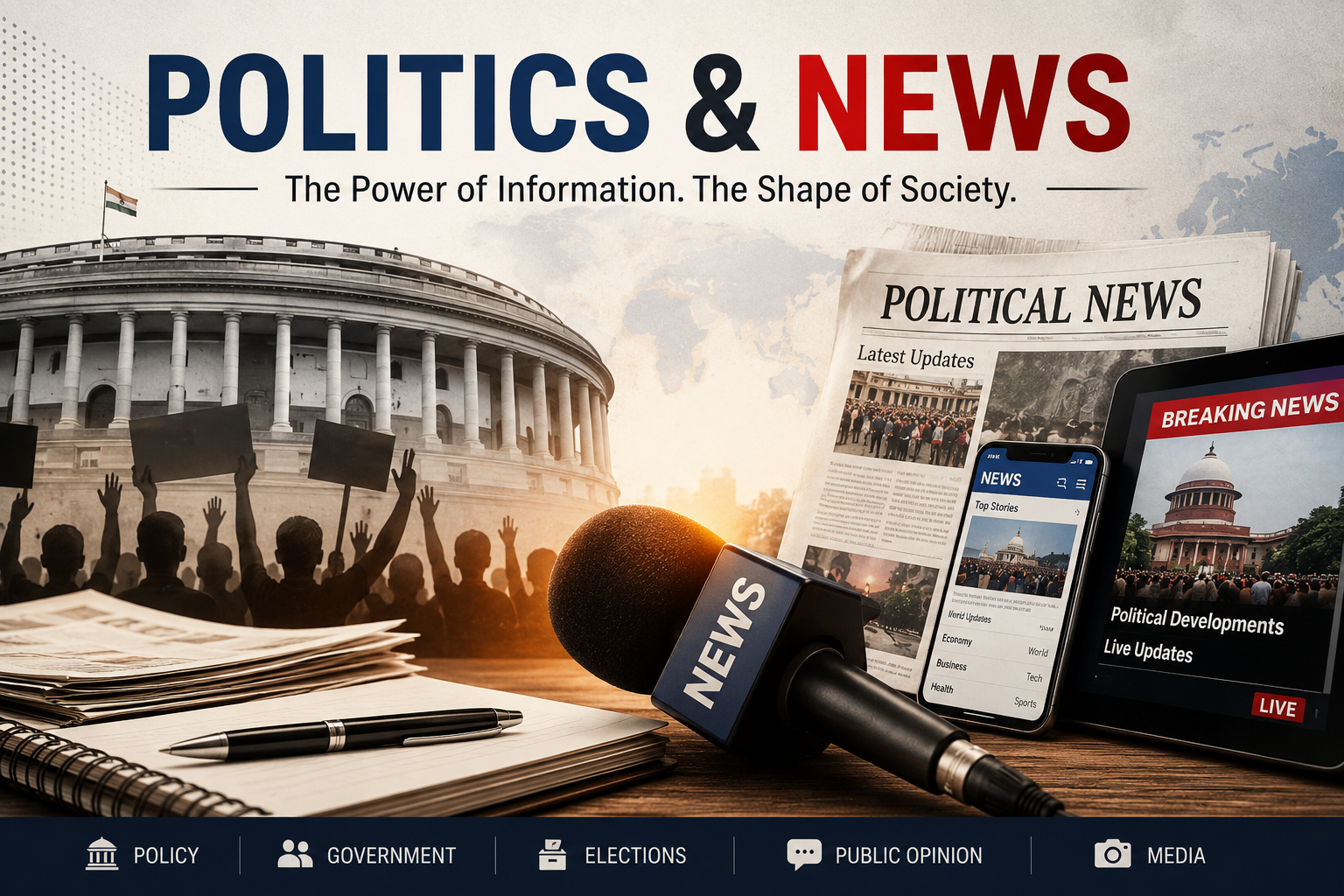
Introduction
Politics and news are intricately intertwined components of modern society. The political landscape shapes news narratives, while the media plays a crucial role in informing the public about political developments. This article will delve into the significance of politics and news, exploring how they interact, their impact on society, and the crucial role of responsible journalism.
The Role of Politics in Society
Politics is the process by which groups of people make collective decisions. It encompasses a broad spectrum of activities, including legislation, governance, and policy formulation. The political environment influences nearly every aspect of our lives, from the economy and education to healthcare and civil rights.
The Influence of Political Decisions
Political decisions impact societal structures and individual lives. For instance, legislation surrounding healthcare can determine access to essential services for millions. Similarly, economic policies can dictate job availability and wage levels. Therefore, understanding political dynamics is crucial for citizens to navigate their rights and responsibilities.
Political Ideologies and Their Implications
Different political ideologies, such as liberalism, conservatism, and socialism, propose various approaches to governance and societal organization. Each ideology shapes political discourse and influences public opinion, often leading to polarized views within society. This polarization is often reflected in the news media, highlighting the importance of a nuanced understanding of these ideologies.
The News Media’s Role in Politics
The news media serves as the primary conduit through which the public receives information about political events and issues. It plays a pivotal role in shaping perceptions and informing citizens about the actions of their government.
The Power of News Reporting
News reporting can influence public opinion and affect political outcomes. Investigative journalism, for example, has the power to expose corruption and hold officials accountable. Through thorough reporting, journalists act as watchdogs, ensuring transparency in governance. However, the rise of digital media has also given way to misinformation, emphasizing the need for critical consumption of news.
Types of News Coverage
News coverage can be categorized into various types, including breaking news, opinion pieces, and investigative reports. Each type serves a different purpose: breaking news provides immediate information, opinion pieces offer commentary and analysis, while investigative reports delve deep into issues, uncovering truths that may be hidden from the public eye.
The Intersection of Politics and News
The relationship between politics and news is symbiotic. Political events generate news, while news coverage can influence political decisions. Understanding this relationship is crucial for citizens seeking to engage with their government meaningfully.
The Impact of Social Media
In recent years, social media has transformed how news is disseminated and consumed. Platforms like Twitter and Facebook allow for real-time updates and direct engagement between politicians and the public. However, these platforms also raise concerns regarding echo chambers and the spread of misinformation, highlighting the need for media literacy among users.
Challenges Facing News Media
Today’s news media faces numerous challenges, including the decline of traditional journalism, financial pressures, and the proliferation of fake news. As audiences become increasingly fragmented, news organizations must find innovative ways to remain relevant while maintaining journalistic integrity.
Conclusion
Politics and news are fundamental components of a democratic society, influencing one another in complex ways. As citizens, staying informed about political developments is essential for effective participation in the democratic process. By understanding the interplay between politics and news, individuals can foster informed discussions, advocate for change, and hold their leaders accountable. In an era of rapid information exchange, the importance of responsible journalism and media literacy cannot be overstated.