Prateek Tanmay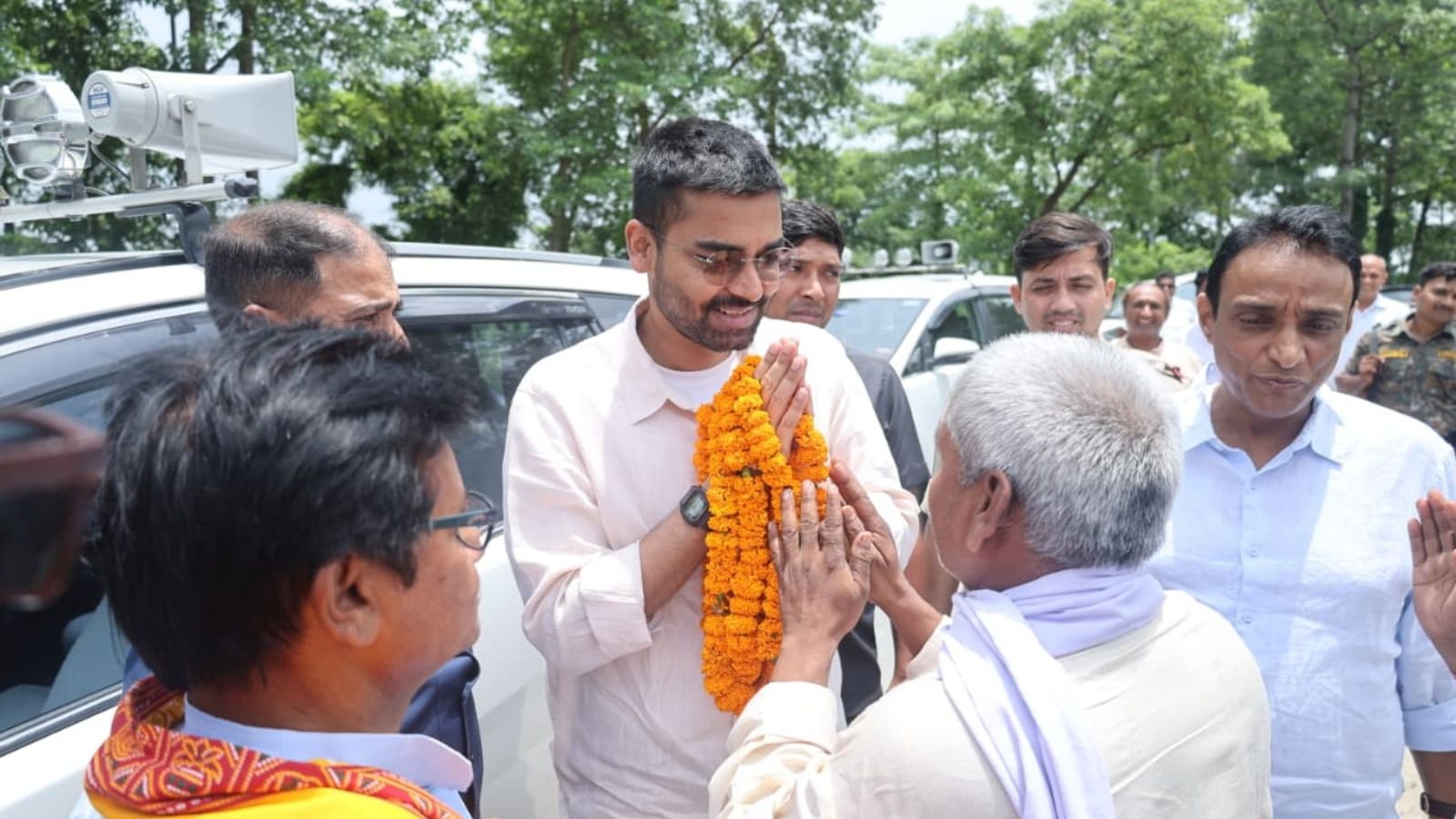
3 min readNew DelhiJul 30, 2026 04:51 PM IST
The Supreme Court Thursday questioned how the Bihar Government can continue to retain a minister who has remained unelected beyond the six-month constitutional limit and asked the state to explain its position.
A three-judge bench, presided over by Chief Justice of India Surya Kant, was hearing a request to fix a date for hearing a plea challenging the appointment of Deepak Prakash as Panchayati Raj Minister in Bihar for the second time, without having been elected as an Assembly member.

“It is a pure legal issue. How are you retaining a minister beyond 6 months when he is not elected?” CJI Kant asked the counsel appearing for the Bihar Government.
Article 164(4) allows a non-member to remain minister for six months, subject to getting elected as a member within that period.
No more time
The counsel appearing for Rakesh Kumar Singh, a petitioner from Bihar, said that when the matter came up for hearing on July 15, the state had sought time, saying it wanted to file a counter-affidavit but had not done so so far.
“Seven months and 22 days have passed, and he is still continuing as the minister,” he said.
CJI Kant said that whether the state files a counter or not, the court will not give any more time. The court fixed the next hearing date for August 4.
What the petitioner says
Story continues below this ad
Deepak Prakash, who is the son of Rashtriya Lok Morcha (RLM) leader Upendra Kushwaha, was made Minister of Panchayati Raj on November 20, 2025, in the then Nitish Kumar government, even though he was not a member of the Bihar Legislative Assembly or the Bihar Legislative Council.
However, after a fresh council of ministers was constituted following Kumar’s stepping down, and Samrat Choudhary became the chief minister, Prakash was once again made Panchayati Raj minister on May 7, 2026.
Singh, the petitioner, has argued that it was a one-time opportunity and cannot be utilised every time there is a change of government. He had to get re-elected between November 20, 2025, when he was first sworn in, and May 20, 2026, the plea pointed out.
Singh contends that the re-appointment was in circumvention of constitutional safeguards and undermines representative democracy. He argued that it undermines the principles of parliamentary democracy, representative government, collective responsibility and electoral accountability.
Story continues below this ad
The plea urged the Supreme Court to declare Prakash’s reappointment and continuance in office unconstitutional, illegal, and void, and to restrain him from exercising the powers vested in the ministerial office.