Prateek Tanmay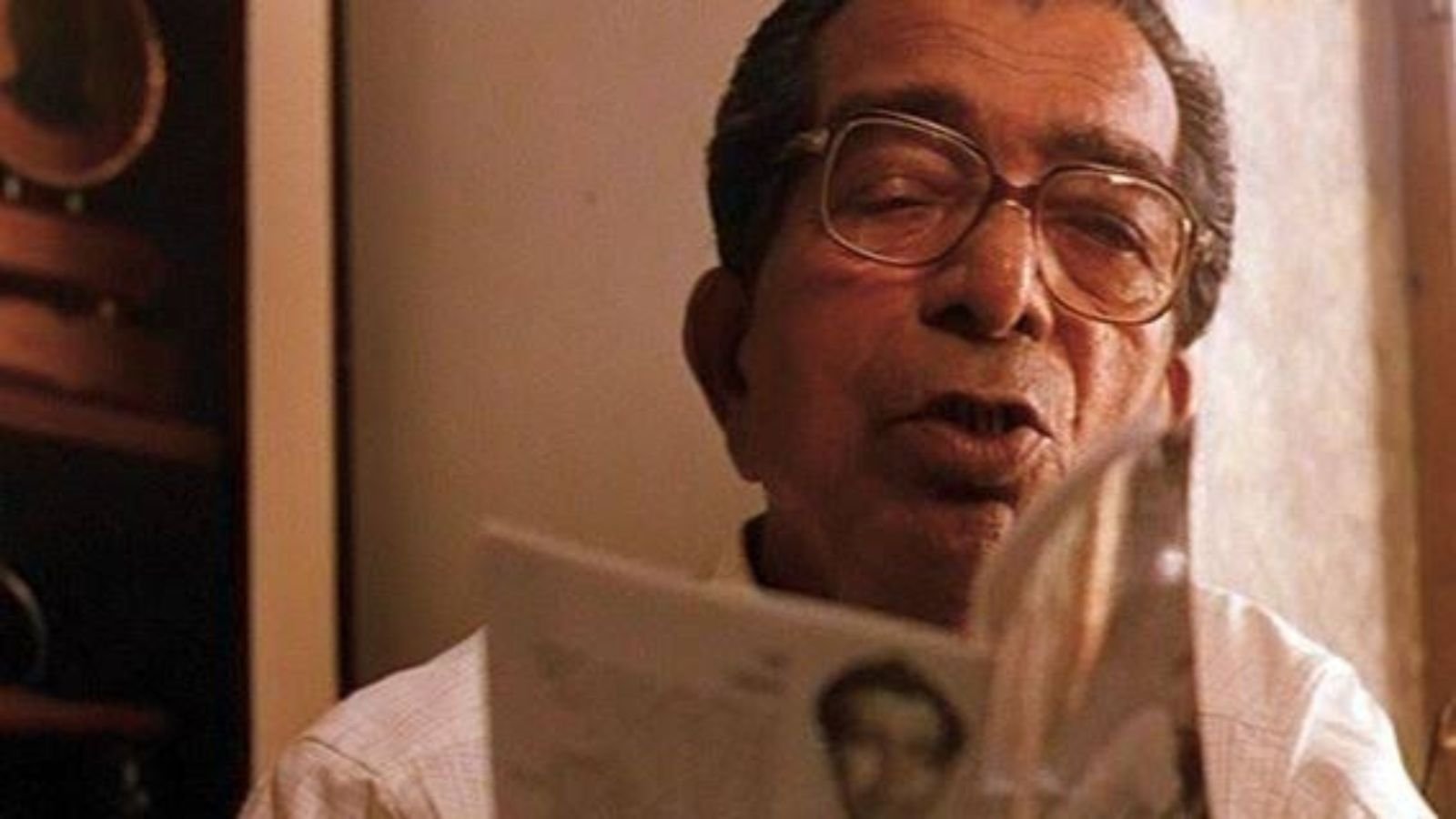
5 min readJul 29, 2026 03:04 PM IST
First published on: Jul 29, 2026 at 03:04 PM IST
Popular movements often produce popular leaders. They rarely produce worker intellectuals. Yet, what struck the media, among the many stories of courage of the Cockroach Janta Party-led student protest, was the “unthinkable” intellect of Mohammad Irfan. I call it “unthinkable” because the media could not place Irfan in familiar categories of intellect. Rahul Gandhi paid Irfan a visit in his slum abode. Despite claiming to have no social media accounts, Irfan is a social media sensation. It is the paradox and contradictions of his life that intrigue the media. He is the working-class intellectual of India.
Irfan may be illiterate in the conventional sense, but he is digitally literate. He cites the poems of Ahmad Faraz and invokes historical figures from Raja Rammohan Roy to Jotiba Phule in his speech. He is a slum-dweller but speaks of civilisation. How could a semi-literate person who could not write and a slum-dweller who sells ice to survive be so articulate that he could speak on politics, society, and history at length?

Irfan is not an exception. He is preceded by and accompanied by many others like him. It is just that we have undervalued manual labour and those who do it. We see manual workers through the essentialist lens of labour and their labouring identity. Can they labour and be intellectual? These paradoxes and inversions are the subject of my forthcoming book, The Silent Rebellion, which traces the history of worker intellectuals in modern India during the colonial period. It tells the history of labouring people who refused to see themselves as merely labourers or workers and instead discovered aspects of their lives that transitioned them to become poets, thinkers, and writers of their struggles and poverty.
A lot has changed since colonial India. India has implemented compulsory education and welfare labour laws; a larger body of the lower classes access higher education (largely with the support of affirmative action policies); significant socio-economic mobility has enabled the rise of Bahujan intellectuals. Yet, the broader attitudes that could place Mohammad Irfan in a normative social order are missing. He emerges as an exception. Why so?
He is seen as an exception because all platforms are open to the public in theory but we still see the “intellect” as cultural capital, which belongs to certain “kinds” of people — those with private education, who inherit cultural capital, and come from certain socio-economic backgrounds. We have created artificial divides between those who labour and those who have bookish knowledge and effectively closed the channels of communication across these divides. Mohammad Irfan breaches these walls, moving between labour and knowledge. It is this movement and dialectic that makes his speech effective and appealing.
Let me now tell the story of the worker-intellectual Narayan Surve. An orphan, Surve was raised by a mill-worker couple and became a “half-timer” child worker in Bombay, later working full-time in the mills. Like Irfan, he defied the boundaries between elite and subaltern, high and low class, labour and intellect, and head and hand. One of Surve’s poems, ‘Char Shabd’, reminded me of Irfan’s zeal to express his world through poems.
“The struggle for the daily bread is an everyday question
At times outside the door, at times inside
I’m a worker, a flaming sword
Listen, you intellectuals! I’m going to commit a crime.
I’ve suffered, witnessed, explored a bit
The sweet ache of my world lies in it…
Bread’s my first love, I agree, but I need something more
That’s why my world’s casting the royal seal
It’s here that I drop flowers into the palms of my words
It’s here that I give swords into the hands of my words.
I haven’t arrived alone; the epoch’s with me
Beware; this is the beginning of the storm
I’m a worker, a shining sword
Listen, you intellectuals! A crime’s about to happen.”
Demanding even implementation of the minimum wage for workers and a life of dignity, Irfan narrated a poem by Tanveer Sipra, which translates to:
“Even the millowners’ dogs are well-fed and fat
While the workers’ faces are pale with hunger.”
Kumar is assistant professor at the University of Nottingham and the author of the forthcoming book, The Silent Rebellion