Prateek Tanmay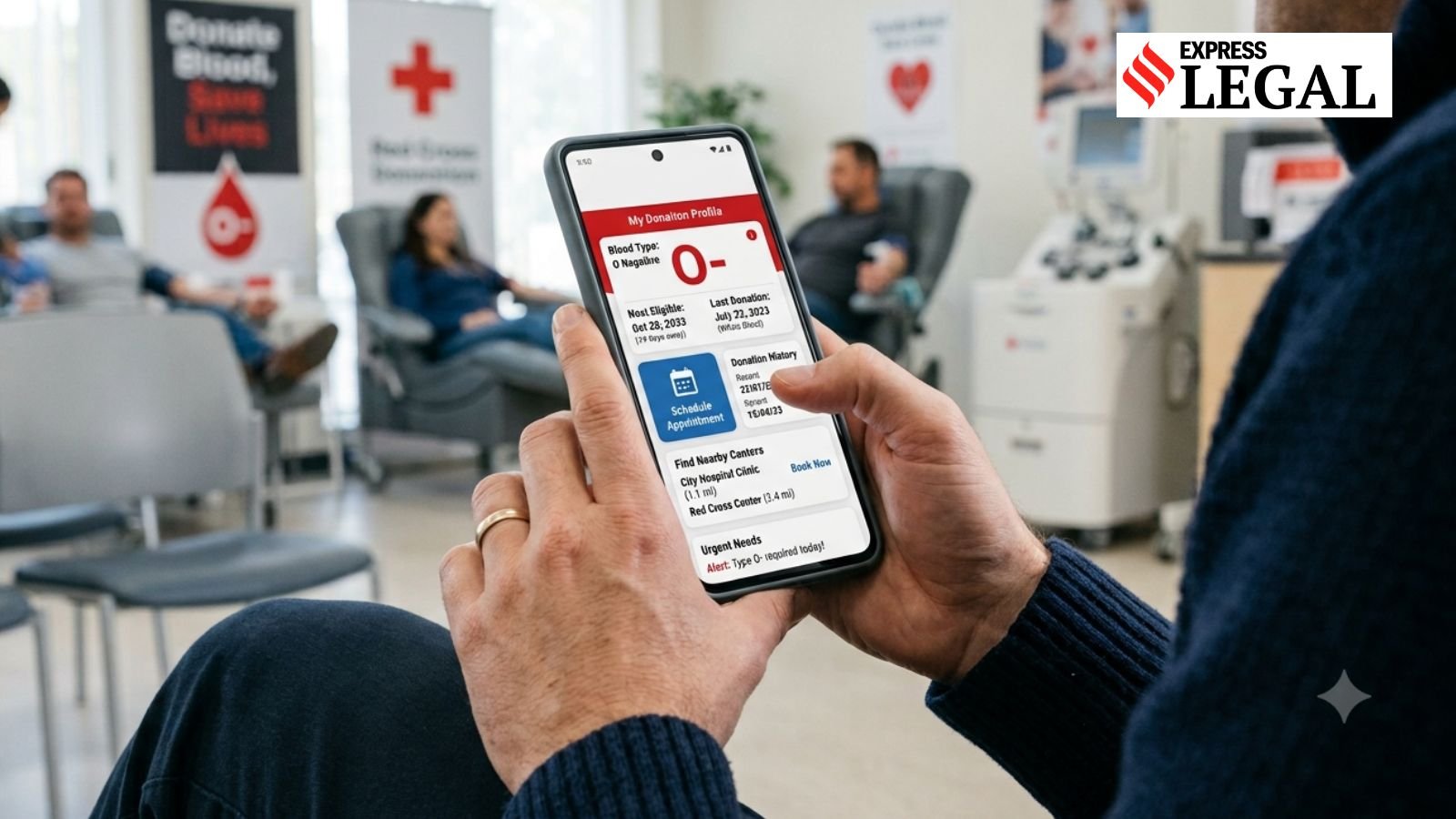
3 min readNew DelhiJul 29, 2026 06:31 AM IST
Observing that a public welfare initiative aimed at saving human lives had been disrupted, a district consumer commission in Himachal Pradesh has held an app developer liable for gross deficiency in service and directed it to pay Rs 2.15 lakh to a charitable organisation after allegedly failing to deliver a fully functional mobile application for blood donation management.
President Hemanshu Mishra and members Arti Sood and Narayan Thakur observed that the app developer disrupted a public welfare initiative aimed at saving human lives through organised donor management. “The opposite party (app developer) delayed the project while retaining Rs 1,25,000 of the complainant’s funds, thereby directly disrupting a public welfare initiative aimed at saving human lives through organised donor management,” the commission remarked.

The July 20 ruling added, “Because this operational delay directly jeopardised a charitable tool meant for vulnerable, poor patients requiring immediate blood transfusions, the levy of exemplary compensation is legally warranted to deter such commercial apathy.” The commission also directed the opposite party to deposit Rs 25,000 in the District Consumer Welfare Fund, Kangra.
According to Kangra Saviours Committee, a registered charitable society engaged in organising blood donation camps, approached NEWUS Dharamshala to build an Android and iOS application that would list blood donation camps, send SMS alerts for blood requests and provide real-time information on blood availability. It was stated that the developer agreed to deliver the fully functional application within a period of 15 days. However, despite receiving Rs 1.25 lakh, the developer allegedly stopped responding and only demonstrated a draft version of the app without delivering an operational application.
Blood donation camp app
The app developer admitted entering into the contract but said that the total project cost was Rs 1.5 lakh plus GST and claimed the application had been successfully built. It alleged that the charity had failed to pay the remaining contractual dues and GST. It also filed a counterclaim seeking recovery of the unpaid amount, interest and compensation.
The commission observed that the opposite party failed to produce concrete evidence, such as hosting credentials, active app store download links, or technical deployment validation, to prove that a fully functional mobile application was ever legally or technically delivered to the complainant.
It further noted that demanding undisclosed supplementary fees after failing to adhere to the strict 15-day delivery timeline constituted an unfair trade practice. The commission found that the evidence showed that the breach of contract and the consequential delay were entirely attributable to the opposite party, who unilaterally withheld delivery under the pretext of receiving the remaining payment.
Story continues below this ad
Holding the opposite party guilty of gross deficiency in service, the commission directed it to refund Rs 1.25 lakh with interest to the complainant organisation. The commission further awarded Rs 75,000 as compensation for the mental agony and disruption caused and Rs 15,000 as litigation costs.
Takeaway
This order reaffirms that service providers are accountable under the Consumer Protection Act for failing to deliver the services they contract to provide.
Aggrieved consumers may contact the consumer helpline in their respective states (Himachal Pradesh helpline: 1800–180–8087) or call the National Consumer Helpline at 1915 for assistance.