Prateek Tanmay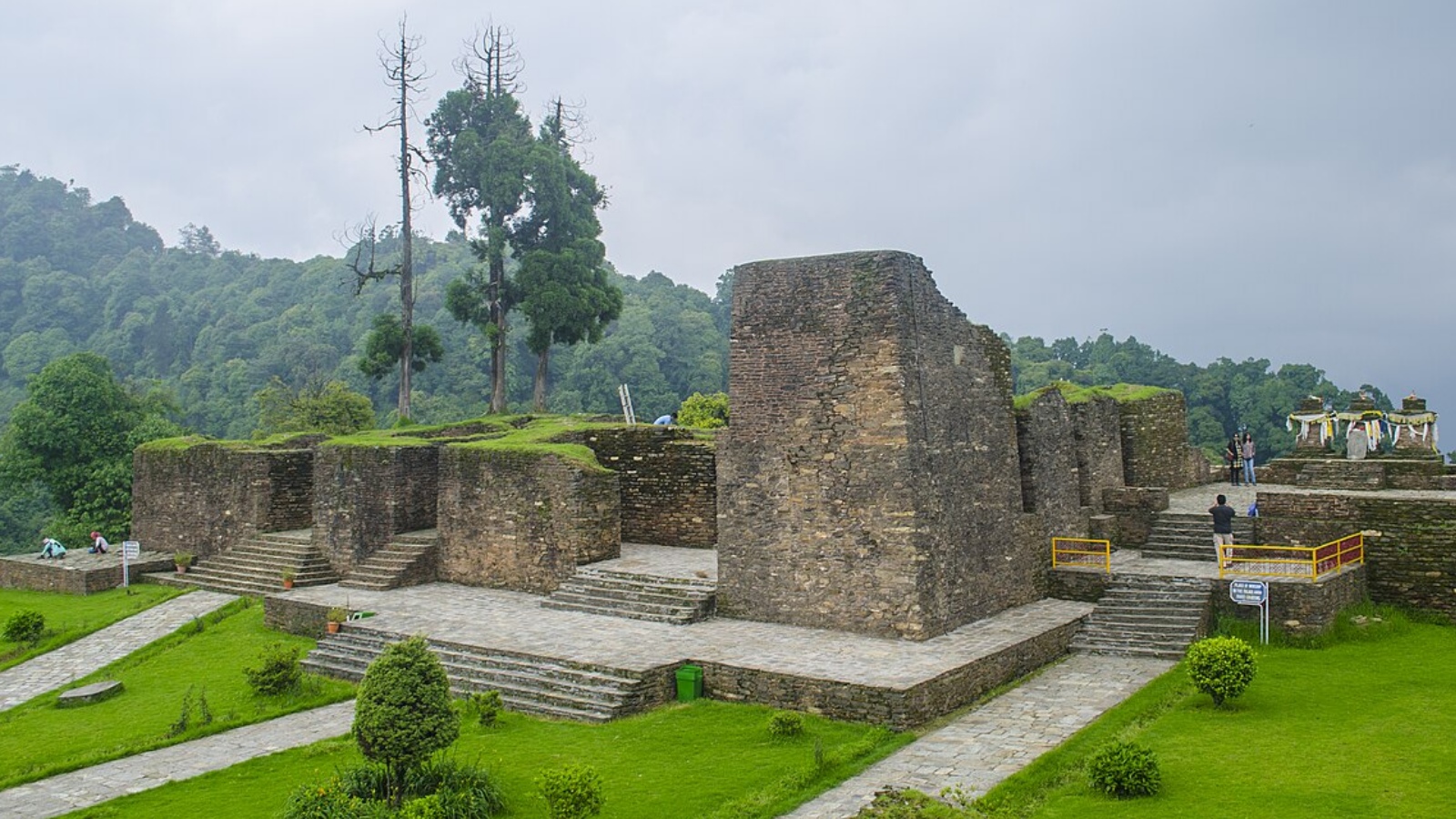
3 min readNew DelhiJul 25, 2026 10:00 PM IST
Located on a forested ridge overlooking the snow-capped Kanchenjunga range, Rabdentse Ruins in West Sikkim have earned the nickname “India’s Machu Picchu.” While they may not rival Peru’s iconic Incan citadel in scale, the atmospheric ruins and centuries-old history make them one of India’s most fascinating yet lesser-known heritage sites.
Tucked away near Pelling, Rabdentse was once the second capital of the former Kingdom of Sikkim, serving as the seat of power from the late 17th century until the early 19th century. Today, the stone remnants of palaces, ceremonial courtyards and fortifications stand quietly amid dense forests, offering visitors a rare glimpse into the region’s royal past.

A capital with a remarkable history
Rabdentse became the capital of the Namgyal dynasty around 1670, succeeding Yuksom as the kingdom’s administrative centre. For nearly 150 years, it was home to Sikkim’s rulers and played a crucial role in the political and cultural life of the Himalayan kingdom.
However, its prosperity came to an abrupt end in the early 19th century when invading Gurkha forces from Nepal attacked and destroyed the capital. Following the invasion, the seat of power was shifted to Tumlong, leaving Rabdentse abandoned. Over time, nature reclaimed much of the site, leaving haunting ruins that continue to narrate stories of a bygone era.
What you will see at the ruins
The walk to Rabdentse is an experience in itself. Visitors pass through a peaceful forest trail lined with towering trees, birdsong and prayer flags before reaching the archaeological site.
Among the most striking remains is the royal throne complex, where the kings of Sikkim once held court and met their subjects. The southern wing also contains the remains of a religious complex where people gathered for prayers before seeking an audience with the monarch.
Although only stone foundations, stairways and walls remain, they paint a vivid picture of what was once a flourishing royal capital. Information plaques installed across the site help visitors understand the layout of the palace, audience halls and ceremonial spaces.
Story continues below this ad
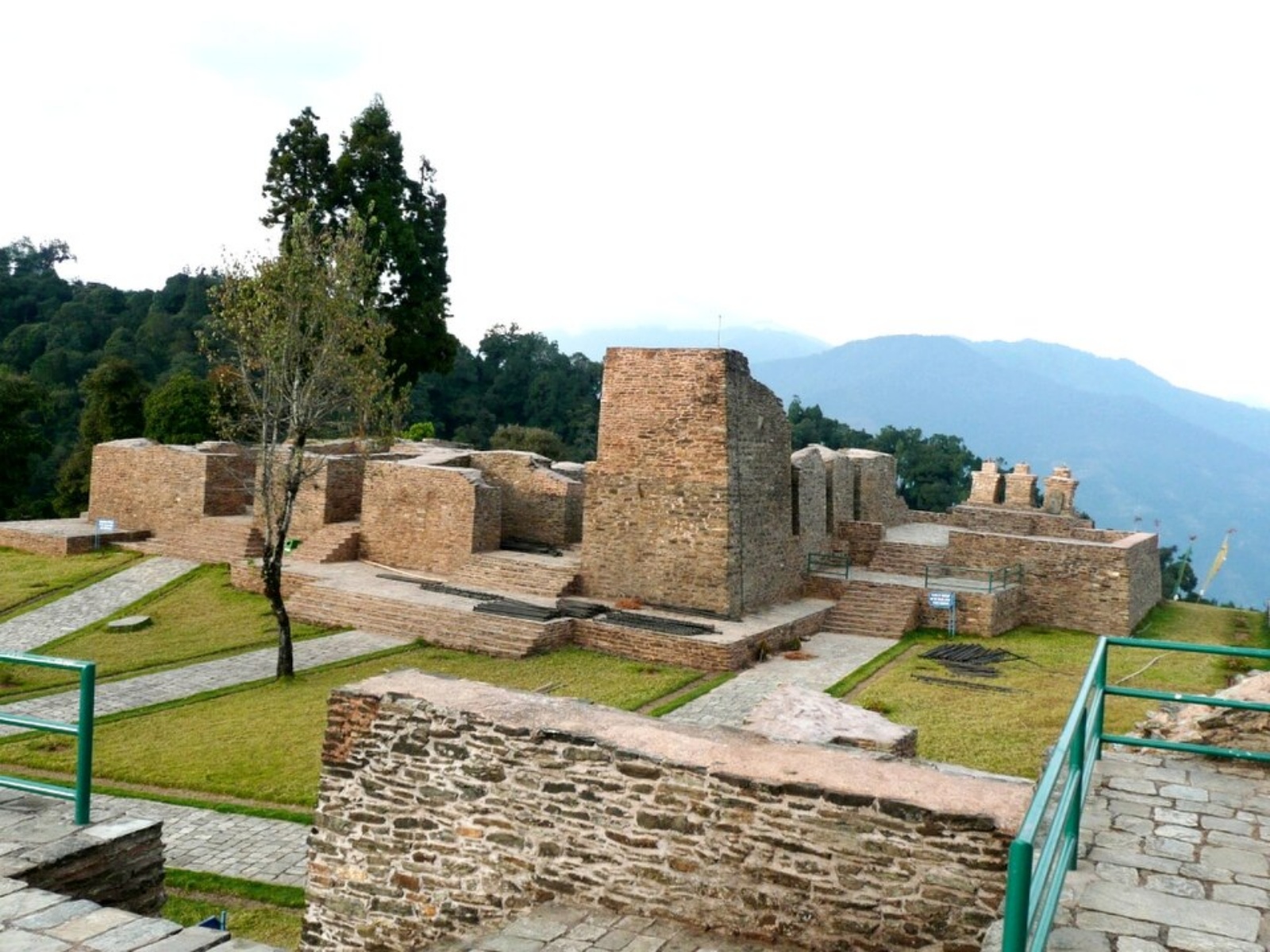 Rabdentse Palace ruins (Photo: Wikipedia)
Why is it called India’s Machu Picchu?
Like Peru’s Machu Picchu, Rabdentse sits atop a ridge surrounded by mountains and forests. Reaching the ruins involves a scenic walk through nature, and the site evokes a sense of mystery, history and isolation. Its panoramic views of the Kanchenjunga massif further enhance the experience, making it a favourite among history enthusiasts.
Best time to visit
The ideal time to visit is between October and April, when the skies are clear and the Himalayan peaks are visible in all their glory.
How to reach
Rabdentse Ruins are located around 2 km from Pelling in West Sikkim. The nearest airport is Pakyong Airport, while New Jalpaiguri (NJP) railway station in West Bengal serves as the closest major railhead. From there, taxis are readily available to Pelling.