Prateek Tanmay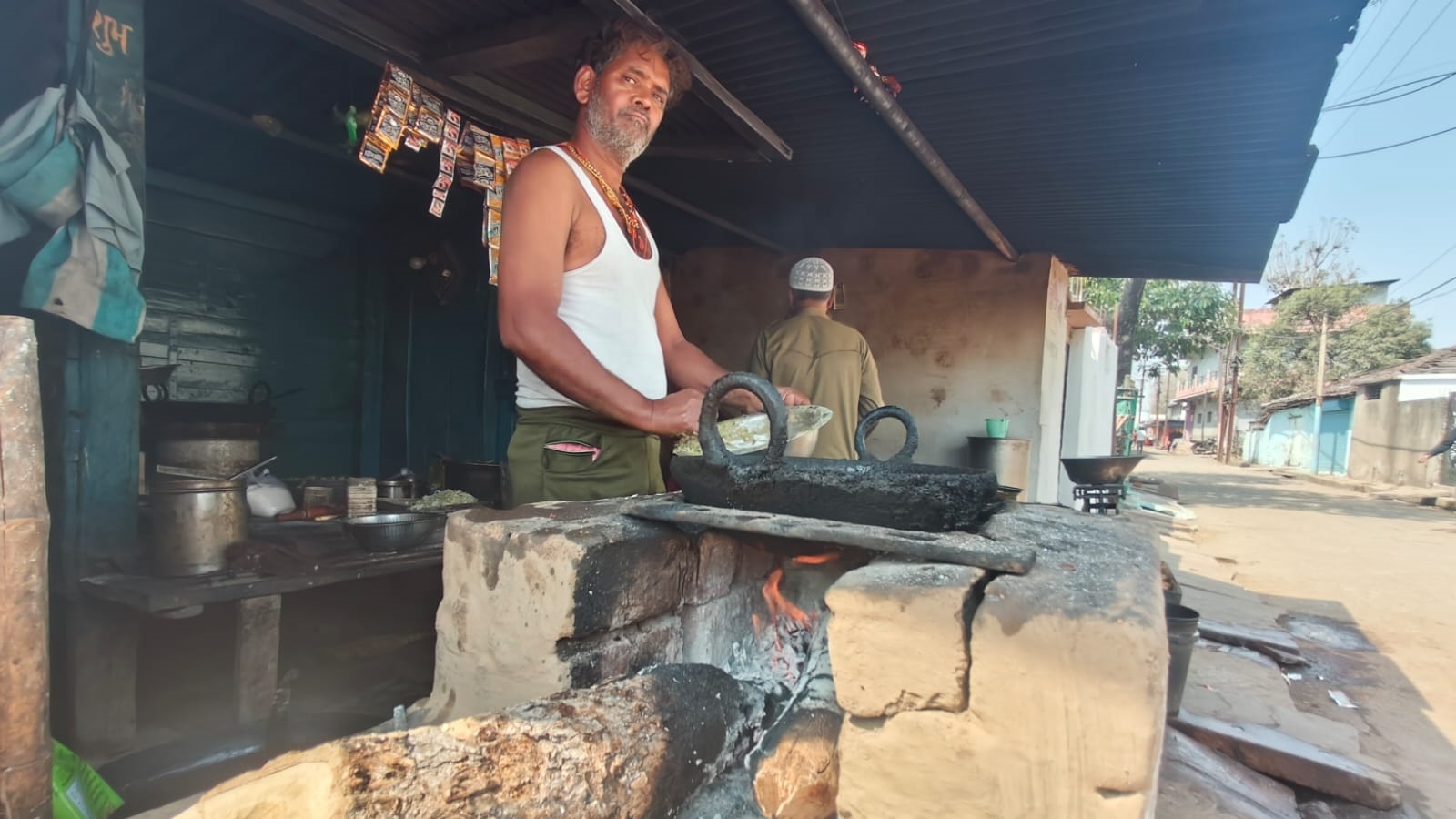
5 min readJul 24, 2026 07:05 PM IST
First published on: Jul 24, 2026 at 07:05 PM IST
Anthony Bourdain wrote that “despite our ridiculously hypocritical attitudes towards immigration, we demand that Mexicans cook a large percentage of the food we eat.” In Delhi, we demand that a man from Kishanganj (Bihar) or Kausani (Uttarakhand) cook a large part of what this city eats, under a name that erases him: Punjabi or Mughlai, anything but Bihari or Pahadi. These are the men to watch now, because the closing of the Strait of Hormuz is doing one thing to them and another to the households at the other end of the class ladder, and the two are moving in opposite directions.
India imports around 60 per cent of its LPG, and until the US and Israel’s war with Iran, roughly 90 per cent of those imports came through the Strait of Hormuz. In Bengaluru, hotel associations reported that on the morning of March 10 only one in ten establishments had received their gas. In Mumbai, commercial refills ran two to eight days behind. The government invoked the Essential Commodities Act, stretched the gap between domestic refills from 21 days to 25 to stop people hoarding cylinders, and raised the price of a cylinder by Rs 60 within days.

People who, in normal times, want their food fresh, local and organic, do the opposite under a supply shock. They fill the pantry with tins, packets, the industrially processed food they spend the rest of the year signalling their distance from. Pierre Bourdieu, whose 1984 book Distinction remains the sharpest thing written on how class hides inside taste, put it flatly: “Taste classifies, and it classifies the classifier”. The organic vegetable and the imported tin are both purchases. What differs is who can afford to stockpile against a war.
Now let’s follow the cook again. When the gas that runs his stall or his employer’s kitchen stops coming and the work dries up, he does not stockpile. He gets on a train to the village in Bihar because the room in the city costs money he is no longer earning, and because in the village there is family, and there is, sometimes, land.
We like to tell ourselves the cook goes home and eats clean, off his own field, closer to the soil, free of a packet he could never afford. This is mostly false, and we know it, because we watched it five years ago. In the CMIE’s household panel, which tracked families through the Covid-19 reverse migration, diets did not improve when the workers went home. They cratered. Eggs, meat, fruit, and vegetables fell hardest. Food spending in the poorest districts never climbed back, even after the economy recovered.
What separated the households that survived from the households that broke was not income. The ones that survived had a plot to return to and a harvest they could eat without paying much for it. That is the fault line this war is exposing: Not rich against poor, but rooted against rootless.
The behavioural economist Sendhil Mullainathan and psychologist Eldar Shafir wrote in 2013 that scarcity is “having less than you feel you need”. It makes us “tunnel”, which they define as the pull “to focus single-mindedly on managing the scarcity at hand”. The point usually lost when this work gets quoted is that the tunnel is the same for everyone. Only the exit differs, and the exit is bought with resources.
The worst place to be standing is in the middle. The second-generation urban migrant, the man whose family sold or lost the village land a generation ago, has no plot to retreat to and no pantry to stockpile. He has only the market, at the precise moment a war 3,000 kilometres away has broken it.
For two decades, we cheered as people left the land for wage work in the cities, and in ordinary times that migration lifted them. But we let the old fallback rot as we did it, the plot, the joint family, the village that could absorb the returning sons and daughters, and we put nothing in the city in its place that holds when a strait closes. Ration shops are open, and they will keep people alive. But staying alive is not the same as eating well.
The Strait will reopen and the cylinders will come back, but this war has already shown us how thin the floor is under the people who cook for everyone else, and how many of them have nowhere left to fall.
Hussain is a chef and author