Prateek Tanmay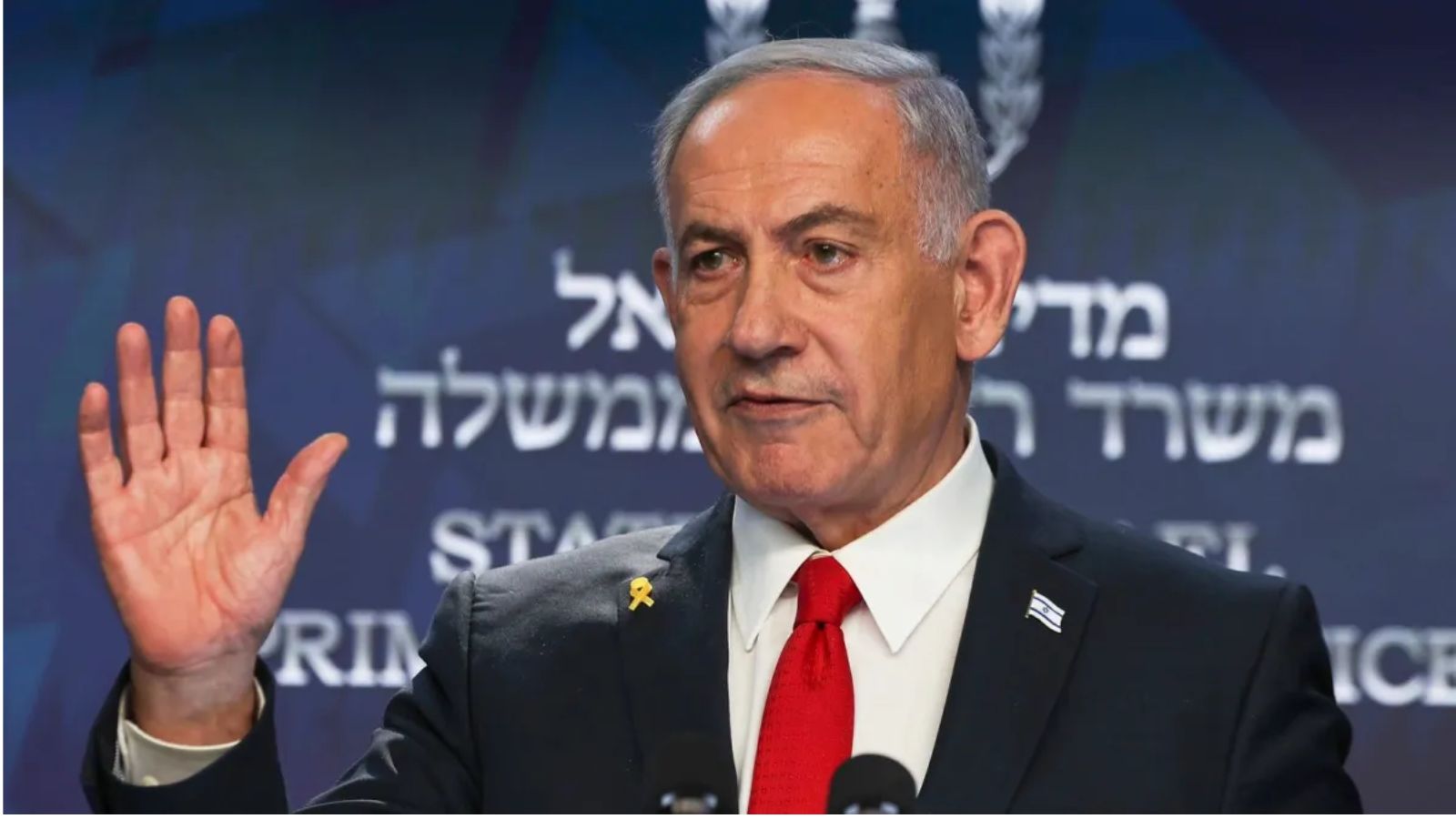
Israel is set to hold its parliamentary elections on October 27, allowing the current Israeli parliament to complete its four-year term, and it’ll be the first since Hamas launched its attack on the country in 2023, followed by wars in Gaza, Lebanon and Iran.
Resolution of early dissolution uncertainties
The precise date of the polls, announced on Sunday by Prime Minister Benjamin Netanyahu’s coalition, had been obscure until now, since the Israeli parliament voted in May to disband, raising the possibility that the election could be held early, Reuters reported.

Historic milestone in modern legislative stability
The polls scheduled in October are set to mark the first time in nearly four decades that elections will be held on schedule in the country, and the PM Netanyahu-led government would become the first dispensation to complete its full term in more than 50 years, the Times of Israel reported.
Shifting voter sentiment and poll projections
The political landscape in Tel Aviv is expected to shift as pre-poll surveys have predicted that Netanyahu’s coalition of nationalist and religious parties could lose the upcoming elections in October, Reuters reported.
The news agency had earlier reported that 76-year-old Netanyahu’s approval ratings have plunged over the outcome of the Iran war.
Lack of cohesive opposition strategy provides leverage
In a rare feat to complete the full four-year term, the Netanyahu-led coalition government could see a silver lining in the polls as their political rivals still don’t have any clear path to power corridors in Tel Aviv.
Lingering security challenges and legal battles
Netanyahu, who made a political comeback in 2022 after being able to form Israel’s most right-wing government to date, faced a crisis when Hamas launched its surprise attack in October 2023 and left the prime minister’s security credentials in tatters.
Story continues below this ad
Netanyahu still faces corruption charges dating back to 2019, and if found guilty, the incumbent prime minister could be jailed. He is facing mounting pressure over the handling of wars in the region, including Gaza, Lebanon and Iran.