Prateek Tanmay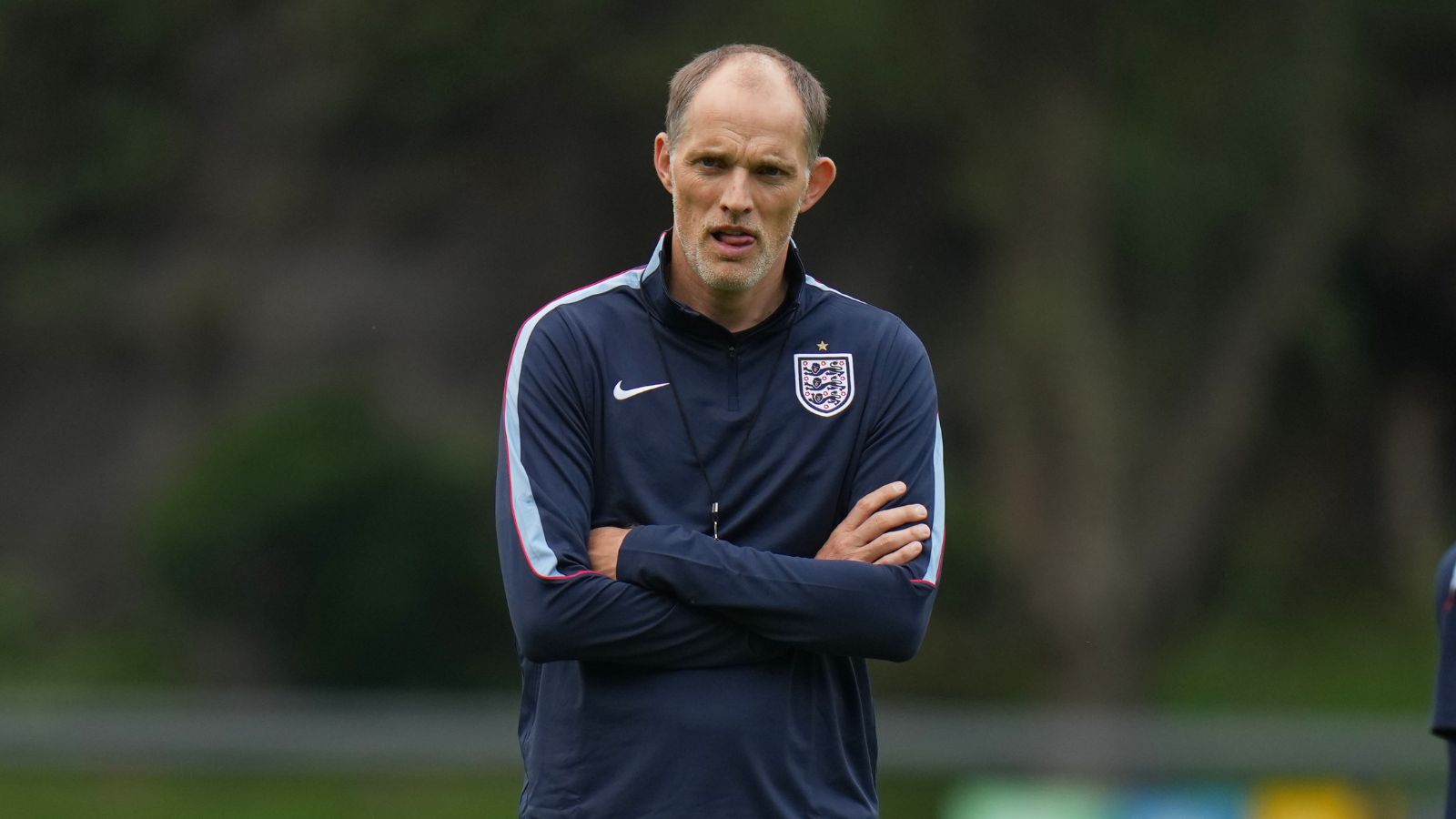
Three substitutions in two games – on the face of it may look innocuous but these ended up saving England from exiting the World Cup in the Round of 32 and then the Round of 16.
In a moment of need, Thomas Tuchel didn’t helplessly look at the English bench for a prayer. He instead had a plan – one that England have been hatching for a while now. There is no such thing as a cameo appearance for an England substitute. They are part of what Tuchel calls the ‘special operations’ team – a phrase he let out before the World Cup had even begun.
Asked a question about Ivan Toney making it to the England team, Tuchel uttered the phrase that is used primarily in American football. Special teams is a group of eleven players who are used for kicking situations. Tuchel’s substitutes are all earmarked with certain roles to play in a match.
A goal down against Congo, he brought Anthony Gordon on. Gordon, who had lost his place to Marcus Rashford for that game, provided Harry Kane with two assists and the win. A goal up against Mexico, Tuchel responded to Jarrel Quansah’s 54th minute straight red card by substituting Bukayo Saka out and bringing John Stones in.
 England’s Jude Bellingham (10) celebrates with Anthony Gordon (18) and Elliot Anderson (8) after scoring their second goal against Mexico during the World Cup round of 16 soccer match in Mexico City, Sunday, July 5, 2026. (AP Photo/Fernando Llano)
Then in the 75th minute he made a like-for-like substitution – taking Konsa off and bringing Dan Burn in. In fifteen minutes plus injury time, Burn made six clearances; on his England debut at the age of 34 in a World Cup knockout game – yet another planned special ops insertion that only Tuchel could imagine he would encounter at the World Cup. He also brought on Djed Spence and John Stones – both defenders made eleven clearances in their brief time during the game and denied Mexico the last-gasp goal they were desperately in the hunt for.
When Tuchel came in place of Gareth Southgate as England manager, much was said about a German taking over England’s reins. Those voices became louder when he decided to not take Trent-Alexander Arnold as part of his squad, instead choosing to stick with Reese James – a call that quickly came undone as James suffered an injury in the group stages. Trent remains a world-class creator but a subpar defender. Tuchel, like a chef at a Michelin star restaurant, decided that England could create enough chances for Kane and Bellingham but defending was the real need of the hour. A complicated broth of English talent needed skilful subtraction. It was precisely why he was hired. To have an outside perspective on what was needed and what was not, and then to cut dispassionately.
Story continues below this ad
Six out of England’s chosen 26 either play outside the Premier League or are about to do so from the incoming season. Five out of those six are players on the offensive end of the pitch. What was once taboo in English football has swiftly been cast aside by Tuchel, who has kept his eye on players operating in leagues outside of England as well.
The inclusion of Jordan Henderson was repeatedly questioned as well. But Tuchel’s special operations team isn’t just about changing outcomes on a football pitch. Many of England’s best players believed that ‘Hendo’ was a glue guy – one of those players who bonded a team together and was crucial for player happiness. In an interview with the England football Youtube channel, Morgan Rodgers said, “If people did a blind ranking of the one football player all England players wanted in the camp, Jordan Henderson would be in everyone’s Top 5.” In that same interview, Jude Bellingham expanded on it: “He gets everyone together. If ever there is an issue, and you feel like you’re 22 and there’s an issue that you don’t feel comfortable addressing, he’ll do it for you.”
Knockout tournament manager
In many ways Tuchel’s reputation has grown because of his knockout game acumen. Friends with Pep Guardiola, but he has frequently been compared to Carlo Ancelotti; the Italian’s penchant for distilling a group into the perfect ticket that wins a big tournament has been taken a step further by the German.
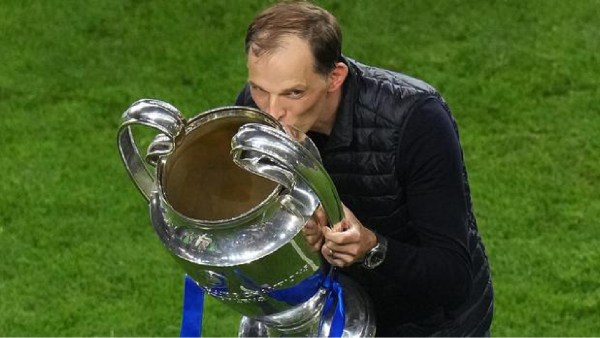 Thomas Tuchel with the Champions Trophy. (FILE photo)
Tuchel showed some of his best work with Chelsea, taking a team coached by Frank Lampard and almost instantaneously changing their DNA. He brought in a formation that suited the players at the club, while also sticking to his ethos of a strong defensive structure and quick forward progressive passes that lead to lightning breaks on the counter. The Champions League title instantly followed – one where they beat Real Madrid over a two-legged semi-final and then took down Pep Guardiola’s Manchester City in the final.
Story continues below this ad
Tuchel’s substitutions mirror his ideology at a knockout game. Want to defend a lead? Bring on the 34-year-old clearances-or-bust debutant defender. Want penalties? Bring on Toney, playing in Saudi Arabia now but still one of the calmest penalty kickers in the world. Left-wingers not creating enough? Create a competition for position in the middle of a World Cup and may the best player win. Tuchel-ball is played just as much within the team, as it is outside of it. When Norway lines up to face the English and continue their magical run – reacting adequately to the sport’s ultimate reactionary manager is the path to a World Cup semi-final.