Prateek Tanmay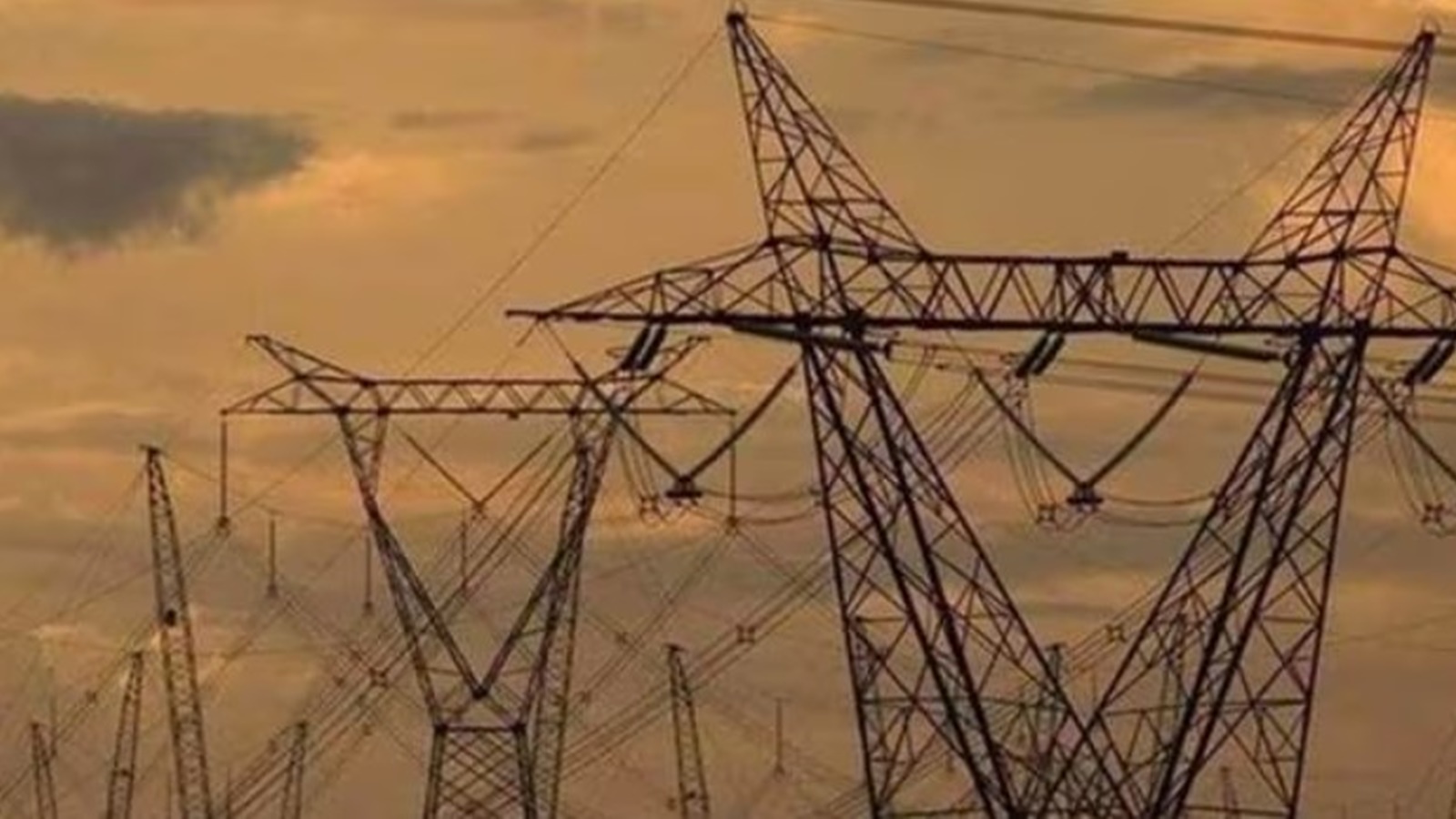
2 min readBengaluruUpdated: Jul 9, 2026 07:36 PM IST
Faced with a looming crisis in hydropower generation, the Karnataka government is moving to procure electricity from private cogeneration plants while aggressively ramping up alternative energy sources across the state. Reduced water inflows into major reservoirs have already hampered state-run hydel stations, a deficit that officials warn could severely intensify ahead of the peak summer months.
Following a high-level review meeting of the Energy Department on Thursday, Additional Chief Secretary Gaurav Gupta stated that deficient monsoon rainfall could paralyse the state’s hydropower framework if left unaddressed. “Alternative measures must be deployed immediately to guarantee uninterrupted power supply across all grids,” Gupta instructed department officials.

The state’s water storage has taken a direct hit from the ongoing El Niño weather phenomenon, which has led to below-normal rainfall across key river basins. “Hydropower generation is already tracking significantly lower this season due to inadequate reservoir storage. To offset this shortfall, our thermal power stations must be operated at maximum efficiency to bridge the baseload gap,” Gupta added.
Alongside optimising thermal output, the state has directed all electricity supply companies to maximise the purchase and utilisation of local solar and wind power. “Immediate steps must also be taken to lock in power procurement agreements with cogeneration plants,” Gupta told officials.
Thermal power plants
Conventionally, the bulk of Karnataka’s power is generated by three major thermal generation plants located in Raichur and Ballari, which combined produce roughly 5,000 MW daily. In contrast, the Sharavathi Hydroelectric Project, which holds an installed capacity of 1,035 MW under optimal water conditions, was reportedly generating a meagre 100 MW due to low reservoir levels.
The current grid intervention is similar to strategies from the severe monsoon deficit of 2023, when the Karnataka government was forced to enter into emergency power-banking and purchase agreements with northern states like Punjab and Uttar Pradesh. During that crisis, the state had to procure roughly 1,000 MW of power from private producers to avert blackouts during high-demand months.