Prateek Tanmay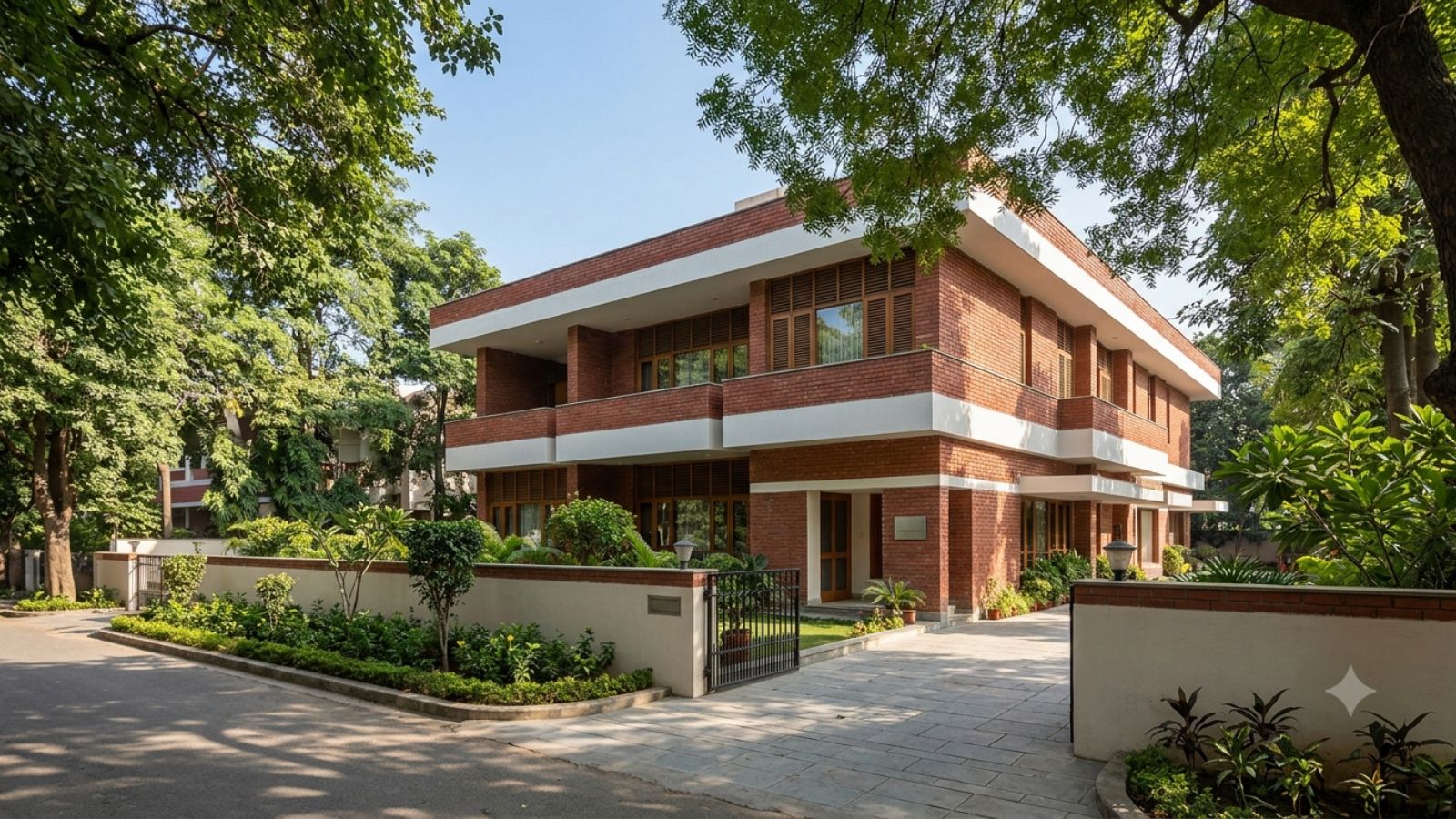
3 min readChandigarhJun 27, 2026 10:15 PM IST
Allowing owners of large residential houses to offer paid accommodation, the Chandigarh Administration has notified the use of residential properties as bed and breakfast (B&B) establishments under its new policy.
While the administration has projected the move as a step towards promoting tourism and generating additional income for homeowners, the decision is also expected to revive concerns previously raised by resident welfare associations over commercial activities in residential areas. When the draft notification of the B&B policy was issued, over 200 residents associations rejected the policy.

The notification, issued by the Estates Department under Rule 9(i) of the Chandigarh Estate Rules, 2007, with the approval of UT Administrator and Punjab Governor Gulab Chand Kataria, permits residential units of 500 square yards and above to operate as B&B establishments.
As per the notification, the property must be registered under the Tourism Department’s policy, and only the owner of the residential unit can apply after obtaining all required permissions and No Objection Certificates (NOCs).
According to the administration, the policy aims to promote clean, affordable and authentic homestay experiences, complement the city’s existing hospitality infrastructure and create additional income opportunities for homeowners with minimal investment.
However, the proposal had drawn objections from several resident welfare associations (RWAs) and citizens during the consultation process. RWAs argued that allowing commercial accommodation in residential sectors could dilute the residential character of neighbourhoods, increase traffic and parking congestion, compromise privacy and security of residents, and place additional pressure on civic infrastructure.
Some residents had also questioned why commercial hospitality activities should be permitted in residential premises, warning that it could open the door to further commercialisation of Chandigarh’s planned residential sectors.
Story continues below this ad
Administration officials had maintained that the policy contains safeguards, including restricting eligibility to larger residential properties, making registration mandatory and requiring compliance with all conditions prescribed under the Tourism Department’s policy.
The administration has said these measures are intended to ensure that the activity remains regulated and does not adversely affect residential neighbourhoods.
Box: What all is there in the policy
– Only residential properties of 500 sq yards or above are eligible.
– Registration under the Tourism Department’s B&B Policy is mandatory.
– Only the owner of the property can apply
– All prescribed permissions and NOCs must be obtained.

Stay updated with the latest – Click here to follow us on Instagram