Prateek Tanmay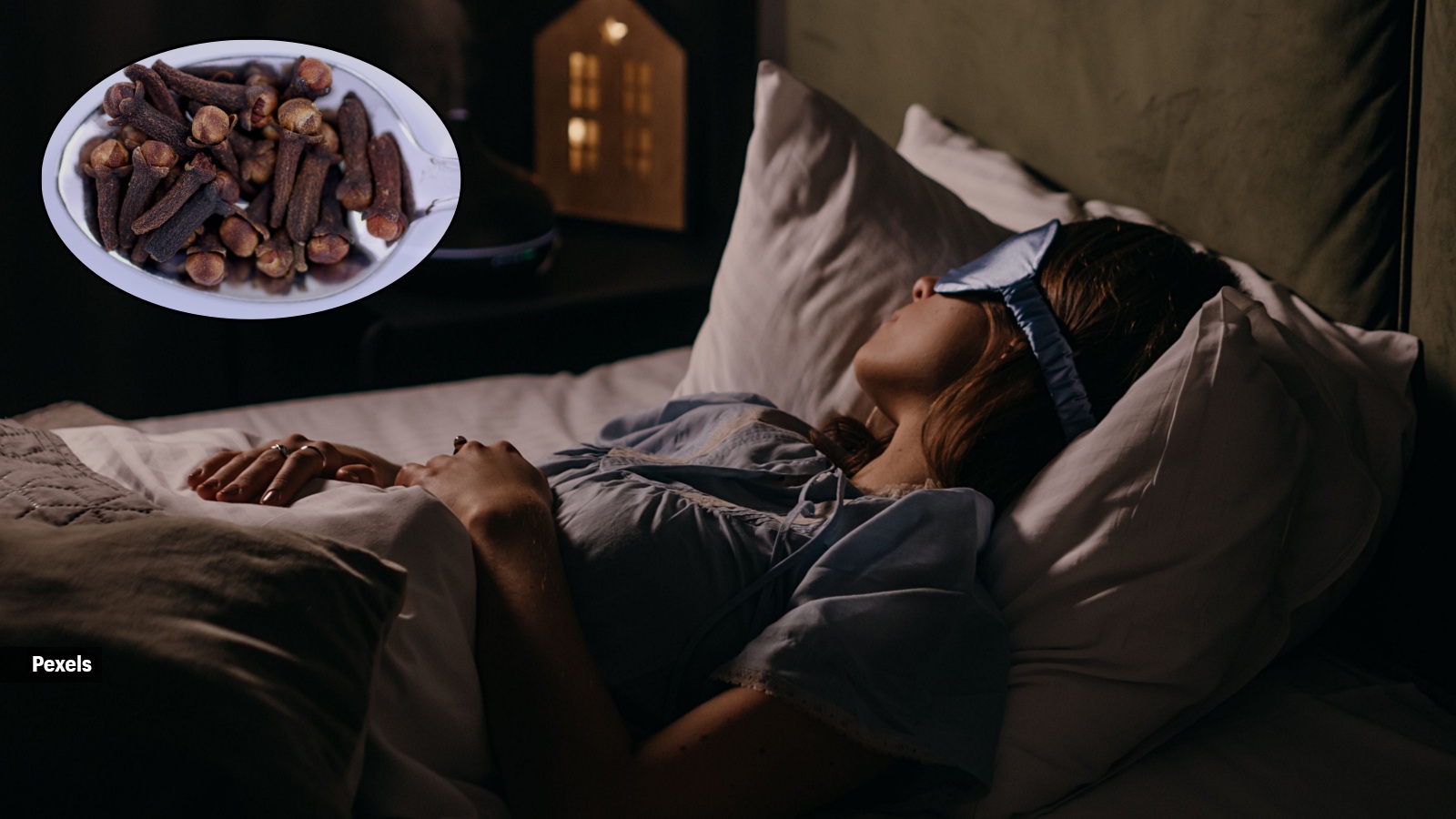
3 min readNew DelhiJun 25, 2026 08:00 PM IST
From sipping warm milk to drinking chamomile tea, social media is full of home remedies that promise better sleep. One such popular hack is keeping a slightly chewed clove in your mouth before going to bed, which supposedly helps you sleep more soundly. But is there any science behind it?
According to Dr Harish Chafle, Senior Consultant Chest Physician, Bronchoscopist, Intensivist and Sleep Disorders Specialist at Gleneagles Hospital Parel, Mumbai, the answer is no.

“There is no strong scientific evidence that keeping a chewed clove in the mouth before bed directly improves sleep quality. However, its mild soothing properties may help some people feel relaxed, but good sleep habits remain far more important for healthy sleep,” says Dr Chafle.
DISCLAIMER: This article is based on information from the public domain and/or the experts we spoke to. Always consult your health practitioner before starting any routine.
Can clove help you relax?
 Clove contains compounds such as eugenol that may have mild calming and antioxidant properties (Image: Unsplash)
Clove contains several natural compounds, including eugenol, which is known for its antioxidant and mild soothing properties. However, that doesn’t mean it works as a sleep aid.
“Clove contains compounds such as eugenol that may have mild calming and antioxidant properties, but their direct impact on sleep and stress reduction has not been conclusively proven. Any relaxation benefit is likely to be modest and should not be considered a treatment for sleep problems,” explains Dr Chafle.
In other words, while chewing a clove may make some people feel slightly more relaxed, there is no evidence that it can improve sleep quality or treat insomnia.
Story continues below this ad
Is it safe to sleep with a clove in your mouth?
This is where experts urge caution. “Sleeping with a clove in the mouth may pose a choking or aspiration risk, especially if it is accidentally inhaled during sleep. In some individuals, prolonged contact may also irritate the gums or oral tissues,” warns Dr Chafle.
Apart from the choking risk, excessive use of cloves may not be harmless either.
“While clove is generally safe in small amounts, excessive use may cause mouth irritation, stomach discomfort, or allergic reactions in some individuals. People with sleep disorders should avoid relying on home remedies and seek medical advice if sleep problems persist,” he adds.
So, if you’re hoping a clove before bed will transform your sleep, don’t count on it. “It is a myth… a traditional home remedy rather than a scientifically proven sleep aid. While it is unlikely to improve sleep significantly, it may offer a mild sense of comfort for some individuals when used safely,” concludes Dr Chafle.
Story continues below this ad
DISCLAIMER: This article is based on information from the public domain and/or the experts we spoke to. Always consult your health practitioner before starting any routine.