Prateek Tanmay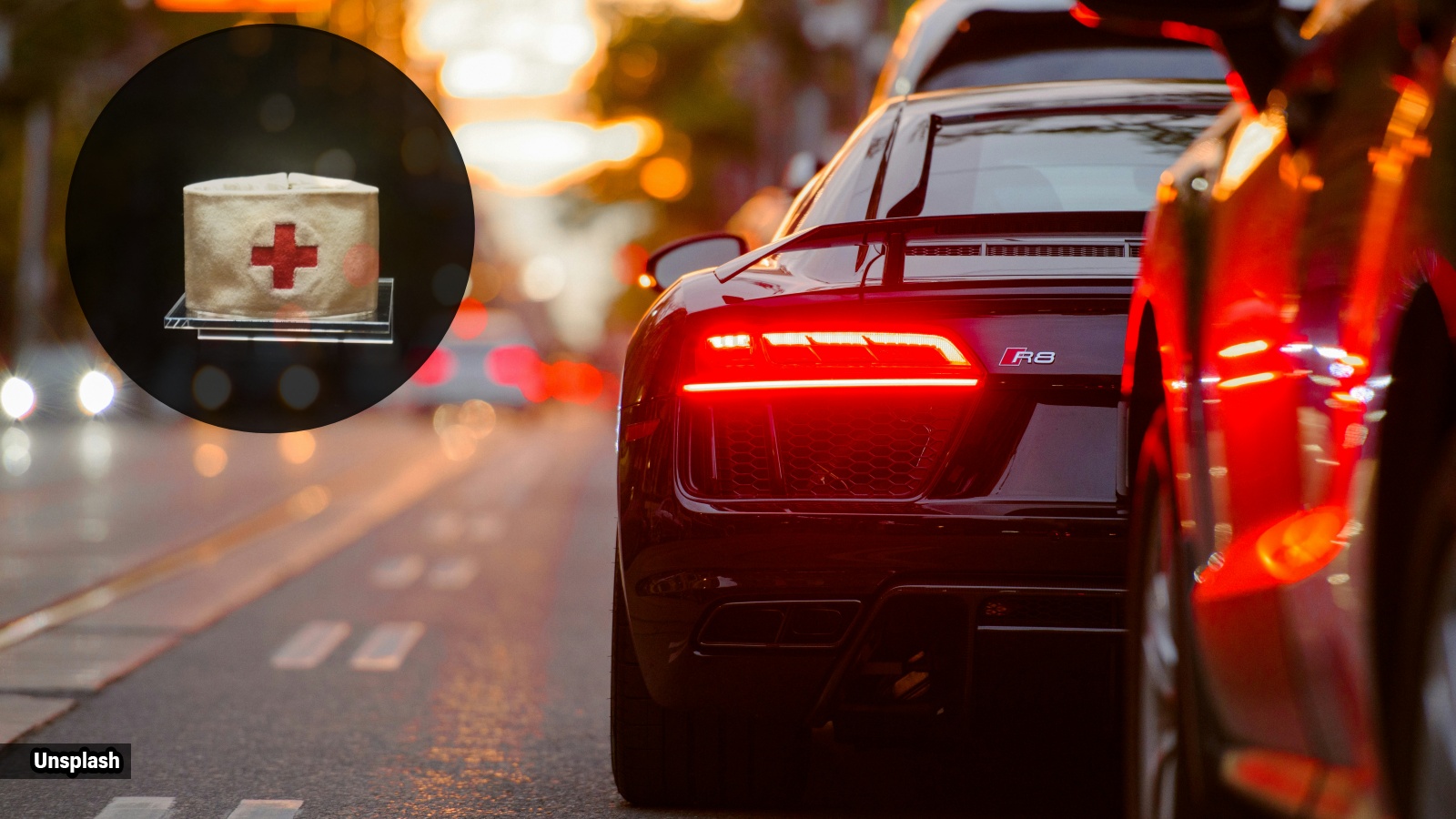
3 min readNew DelhiJun 22, 2026 01:00 AM IST
Medical emergencies can happen anywhere, and cars are no exception. Whether you’re stuck in traffic or a deserted area, a sudden cut, burn, or upset stomach can pop up. It is very important to keep a stocked emergency health kit in your car at all times. Ideally, the kit should be small, easy to grab, and checked every six months to make sure nothing’s expired. This kit is like a personal roadside doctor—ready to jump in when help is far away.
Here’s what Dr Divya Gopal, Additional Director-Lifestyle Diseases, Sir HN Reliance Foundation Hospital, Mumbai, recommends keeping in your car to avoid the “oh no” moments on the road.

First-aid basics
For basic injuries, first aid basics are very important. Minor cuts, burns, or scrapes are common when changing tyres or handling car tools, making it important to stay prepared to prevent any infections and medical complications. Dr Gopal suggests keeping these ones handy:
Bandages and gauze pads: Grab a mix of sizes for small cuts or bigger scrapes, plus roller bandages for serious wounds.
Antiseptic wipes and antibiotic cream: Clean cuts fast with alcohol wipes or povidone-iodine, then apply ointment to keep infections at bay.
Adhesive tape and scissors: Tape to hold things in place and blunt-tipped scissors for safe cutting.
Gloves and tweezers: Gloves keep things clean; tweezers are a lifesaver for pulling out splinters.
Story continues below this ad
Burn cream and cold pack: Perfect for burns from a hot engine or long drives in the blistering heat.
Key medicines
Keeping medicines in your car is important not only during long drives. Even a shorter commute can catch you off guard with headaches, nausea, or indigestion. Dr Gopal suggests keeping your emergency health kit stocked with these medicines:
Pain relievers: Paracetamol or ibuprofen for headaches or sprains.
Antihistamine (like cetirizine): Great for sudden allergies or bug bites.
Antacids and anti-diarrhoeal: Because roadside food can betray you.
Motion sickness pills (like dimenhydrinate): A must for twisty hill roads.
Story continues below this ad
She further recommends keeping all the supplies in a waterproof bag in your boot, along with some water and a whistle. If you travel with kids, elderly passengers, or pets, you can also customise your kit to their needs with items like prescription medicines, baby wipes, or glucose packets.
“Stay prepared, and you’ll thank yourself later,” Dr Gopal concludes.
*DISCLAIMER: This article is based on information from the public domain and/or the experts we spoke to. Always consult your health practitioner before starting any routine.*