Prateek Tanmay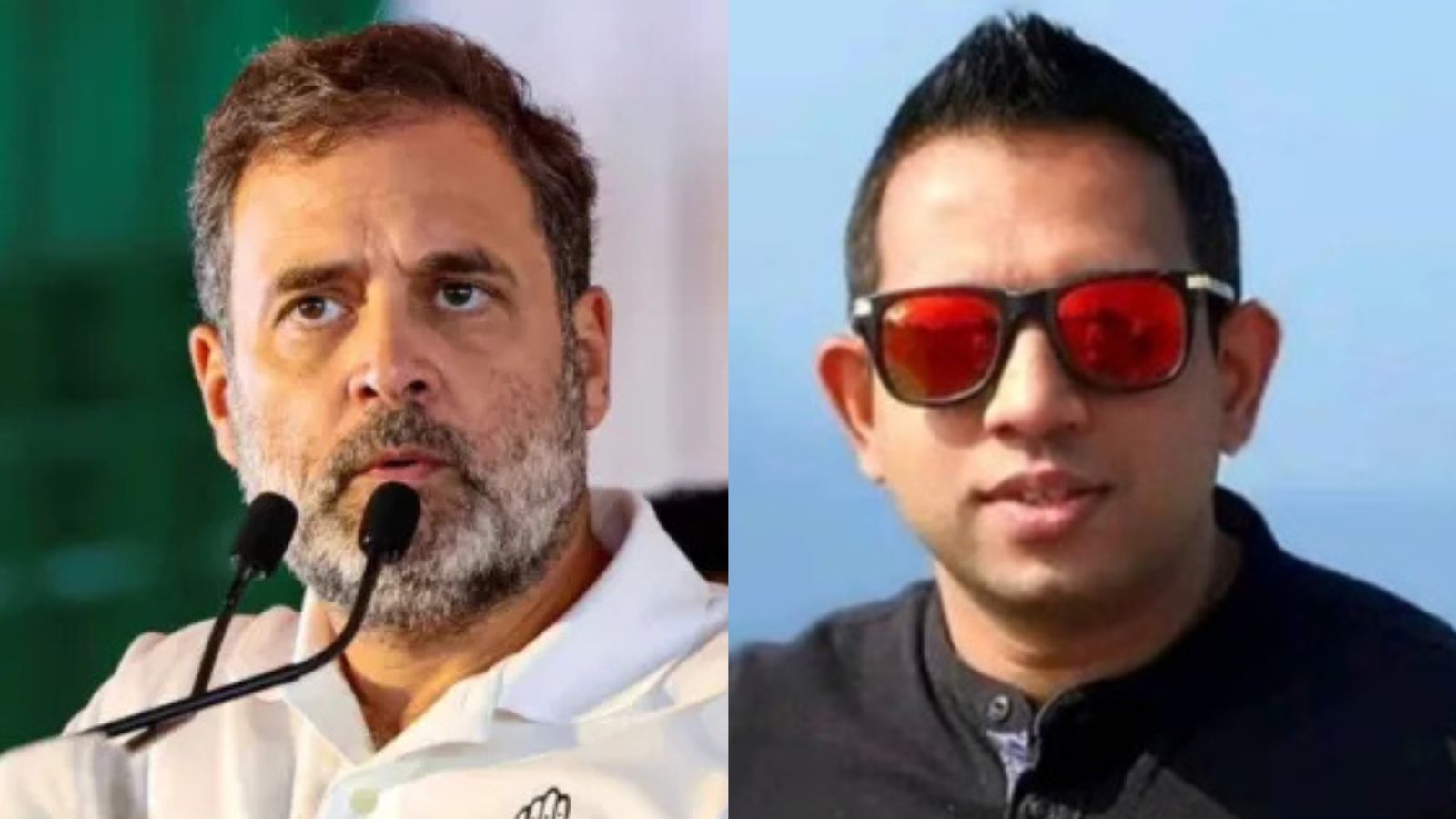
4 min readPuneJun 16, 2026 11:33 AM IST
Hindutva ideologue Vinayak Damodar Savarkar had filed 10 clemency petitions before the British government, but it was incorrect to say that the language used in the pleas was “submissive” or “expressed loyalty” to the then government, his grand-nephew Satyaki told a Pune court on Monday.
Satyaki, who had filed a defamation complaint against Congress leader Rahul Gandhi for his alleged objectionable remarks against Savarkar during a speech in London on March 5, 2023, made the remarks before a special MP/MLA court in Pune.

Satyaki was cross-examined by Gandhi’s counsel, Milind Pawar, before special judge Amol Shinde.
Satyaki told the court that the British government had rejected Savarkar’s clemency petitions. “The Britisher had in their reply to these petitions expressed concern that if Savarkar was released (from Andaman jail), he would again participate in revolutionary activities and cause a danger to British rule… Savarkar was not released merely because he submitted petitions,” Satyaki told the court.
According to Satyaki, in his speech, Gandhi mentioned that Savarkar had written a book in which he stated that he (Savarkar) and five to six of his friends were beating up a Muslim and were “delighted” about it. Satyaki denied the incident and said that Savarkar had not written any such book.
“Language used in the petitions was official and administrative in nature. Savarkar sought not only his own release but also the release of other prisoners languishing in Andaman jail for a long time,” Satyaki said.
He submitted that there was no expert report available to establish that the language in Savarkar’s petitions was merely formal or part of a strategic approach. But he said that, according to the then Home Member of the Government of India, Reginald Craddock, the language used by Savarkar in the mercy petitions was “deceptive”.
Story continues below this ad
Satyaki’s lawyer objected that questions (on the clemency petition) were unrelated to the case. Advocate Pawar requested that the objection be decided at the final stage.
‘Veer’ tag questioned
Satyaki was also cross-examined on Savarkar being called “Veer (brave)” despite filing clemency petitions. He was also questioned about freedom fighters Bhagat Singh, Rajguru, Sukhdev, Batukeshwar Dutt, and Ashfaqullah Khan, who did not file clemency petitions and were hanged to death by the British government, but were still not called “Veer”.
The day after Bhagat Singh, Sukhdev, and Rajguru were hanged by the British, Savarkar wrote a poem about Bhagat Singh, calling him “Veer”, Satyaki said. “Other revolutionaries who were executed were also glorified from time to time in his articles and poems,” he added.
Satyaki said Savarkar was referred to as “Veer” even before being sent to Andaman, in a periodical published by the Ghadar organisation. “It is not true that calling a person who filed 10 clemency petitions ‘Veer’ is contradictory,” Satyaki added.
Story continues below this ad
“Savarkar’s clemency petitions are available in official records. I have not submitted those petitions on record as this case concerns Rahul Gandhi’s alleged defamation of Savarkar and not the clemency petitions,” he said.
He also submitted that clemency petitions were a regular procedure in the British system for seeking sentence reduction. “It is true that not only Savarkar but other prisoners also filed such petitions,” he said.
In May 2024, the Pune city police had submitted an inquiry report before the court, saying Gandhi had defamed Savarkar in his speech before the Indian diaspora in London in March 2023. In September 2024, the case was transferred to the special MP/MLA court in Pune. In July last year, Rahul Gandhi, who is also the Leader of the Opposition in the Lok Sabha, had pleaded not guilty in the defamation case. The next hearing will be held on July 1.