Prateek Tanmay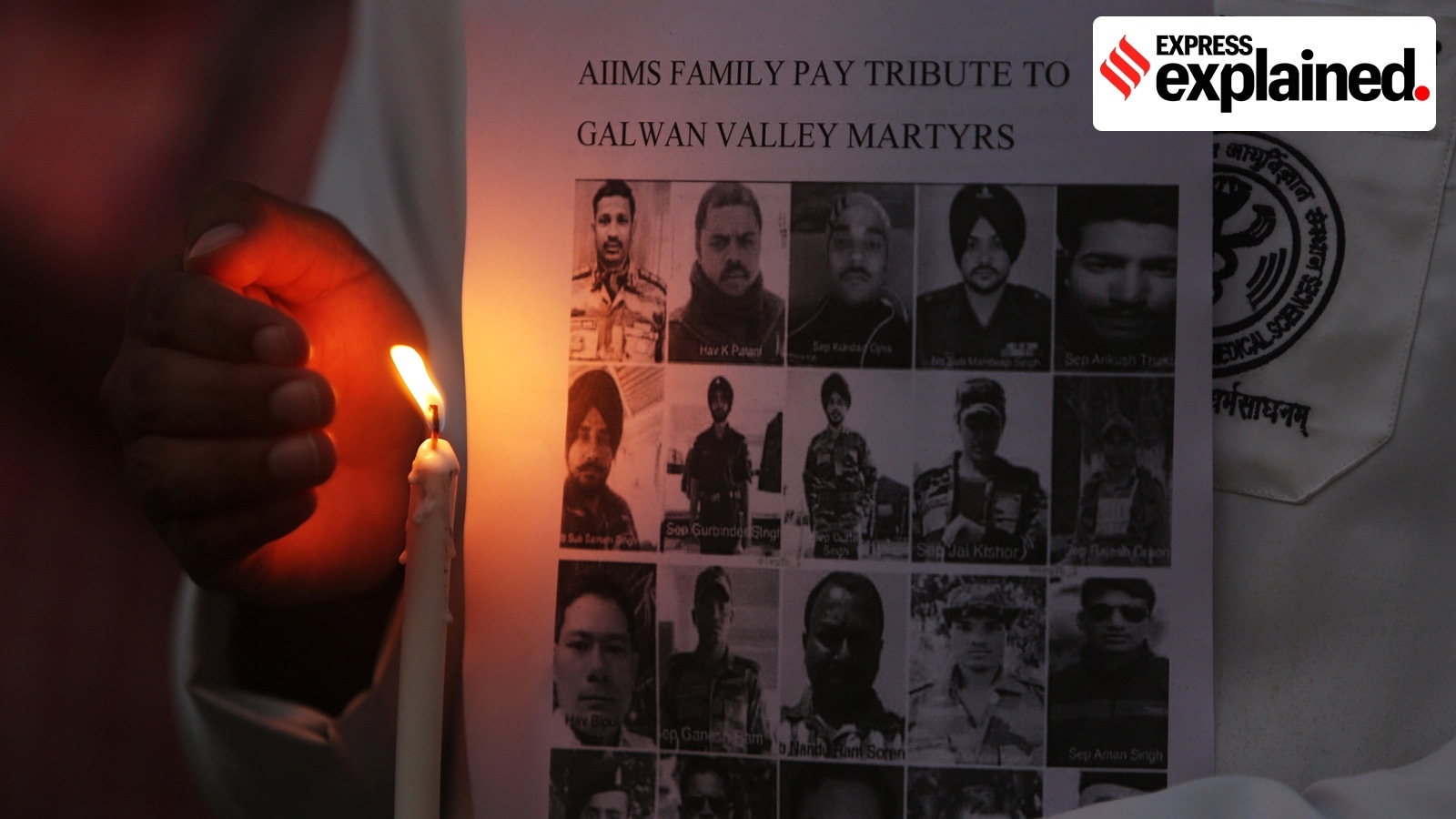
Six years ago today, on June 15, 2020, Indian and Chinese troops clashed at Galwan, Ladakh, the bloodiest conflict between the two since the 1962 war. The Indian Army lost 20 of its soldiers, while the People’s Liberation Army (PLA) also suffered heavily, though it officially claimed only four dead.
This marked a new low in bilateral ties, shattering decades of confidence building mechanism. However, Galwan did not happen overnight.
Since early May 2020, the PLA had been undertaking large-scale transgressions in Eastern Ladakh in the Chushul (Pangong Tso, Galwan-Gogra areas) and Depsang sectors, to unilaterally change the status of the Line of Actual Control (LAC).
The unprovoked hostile action came as a rude shock for the Indian politico-military leadership; more so as the ‘strategic guidance mechanism’ evolved by Prime Minister Narendra Modi and President Xi Jinping through meetings at Wuhan in 2018 and Mamallapuram in 2019 appeared to be working fine. Given the scale of intrusion, it was obvious that the operation was cleared by the Central Military Commission (CMC), the highest defence body headed by Xi.
Indian forces responded swiftly, adopting a strong counter deployment posture to restore the status quo.
As the military-level talks to restore the situation stalled, with the Chinese side unwilling to yield ground, the Indian Army occupied the strategic Kailash range in August 2020, making Chinese defences untenable in the Chushul sector. This forced the PLA to commence the disengagement process.
After multiple meetings at the military, diplomatic and political levels, disengagement was completed in the Chushul sector. In Depsang area, a prolonged deadlock ensued due to the Chinese high-headed attitude. The impasse was finally resolved after the Modi-Xi meeting in Kazan (Russia) in September 2024.
Story continues below this ad
Status of the LAC
Almost 50,000 troops continue to be deployed by either side in the Ladakh region. As per statements of the Army Chief General Upendra Dwivedi, the situation on the LAC remains ‘stable but sensitive’. However, the status of the LAC has changed significantly over the past few years.
First, there is a basic change in the patrolling protocol in Ladakh. Erstwhile, both sides patrolled areas up to the designated Patrolling Points (PPs), numbering 1to 65, virtually defining the LAC. Even when this writer was deployed in these areas, this practice was strictly adhered to.
With the concept of ‘demilitarised buffer zones’ now replacing the traditional PPs, the LAC profile stands altered, as many PPs can no longer be accessed due to the layout of the buffer zones. At places, these neutral zones fall more on the Indian side of the perceived LAC. Quite a few ‘no patrol zones’ have restricted the entry of locals to the traditional grasslands.
Second, the Chinese have gone in for a massive upgrade of military infrastructure all along the LAC. These include bridges across the Pangong Tso lake, the second highway G 695 through Aksai Chin, the Lhasa-Nyingchi railway line and the upgradation of the Tibet airfield, coupled with the deployment of additional air assets, including J- 20 stealth fighter jets.
Story continues below this ad
Third, Tibet has been transformed into a formidable shield on the personal directions of Xi, who visited Lhasa in 2021 and 2025. To this end, under the modern villages (Xiaokang) project, 720 villages have been constructed, around a third in close proximity to the LAC. A ‘new Defence Law’ was enacted in 2021 to ensure better ‘civil-military’ fusion.
A year later, the ‘Border Defence Law’ was passed with a view to mark the border and consolidate control over the occupied areas. To legitimise territorial claims, China periodically keeps giving Mandarin names to places in Arunachal Pradesh, which it terms as South Tibet (Zangnan).
India-China Relations
While India has repeatedly reiterated that the border remains the prime issue between the two neighbours, China has deliberately downplayed it, insisting that it should be dealt separately.
Beijing has succeeded in this regard as India-China trade has surged past the $ 151 billion-mark last year, with a trade deficit of over $112 billion in China’s favour.
Story continues below this ad
The main reason for the trade imbalance is the deep dependence of India’s manufacturing sector on cheap Chinese inputs in electronics, pharmaceuticals and green energy sectors. Moreover, India primarily imports finished goods from China and mostly exports raw material like ores and agriculture goods.
Despite the trust deficit and varying national interests, both nations continue to engage in multilateral forums like BRICS and Shanghai Cooperation Organization (SCO), out of mutual necessity.
The way ahead
While chances of major conflict remain low, the competing perceptions of the LAC and tardy progress of border talks imply that tension will remain a recurring future of the relationship; back to the ‘Armed Co existence’ framework of the early 1960s.
Given the emergence of the China-Pakistan nexus and even Bangladesh making a it a trilateral, there is an urgent requirement to formulate a well-defined ‘National Security Strategy’.
Story continues below this ad
There is a need for a well-equipped ‘integrated ‘border defence force’ under the operational control of the Army to effectively thwart the PLA’s grey zone warfare designs. A vibrant village programme ought to be accelerated and incorporated into the security framework.
To manage the expansionist Dragon, India requires a long-term China policy based on realpolitik, which blends firmness, resilience and strategic patience.
(The Writer is a War Veteran, commanded unit and formation on the LAC, served as Defence Attaché in China, currently Professor Strategic-IR, Management Studies)