Prateek Tanmay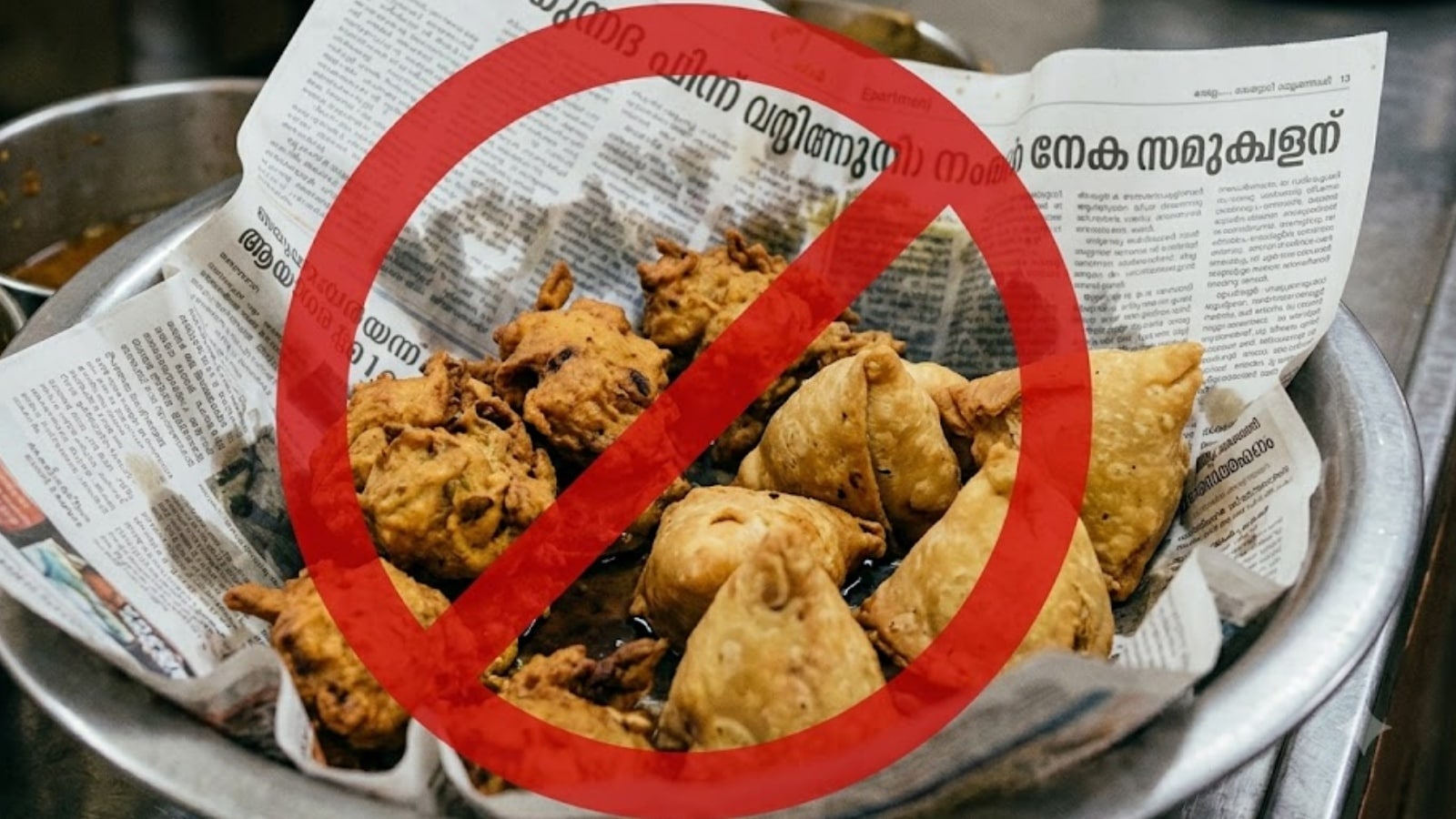
Following a recent enforcement action against a popular vada pav vendor in Mumbai, the Food Safety and Standards Authority of India (FSSAI), West Region, has reiterated its ban on using newspapers for packing, serving, or storing food. The regulator warned that newspaper ink contains harmful chemicals, including heavy metals, that can leach into food, particularly when it is hot, oily, or moist. Newspapers may also carry disease-causing microbes due to repeated handling and exposure to unhygienic conditions.
The food body has directed all food businesses, from street vendors and hawkers to restaurants and cloud kitchens, to switch to approved food-grade packaging materials in the interest of consumer safety.

Serving or wrapping fried food in newspapers might seem harmless, but it carries serious health risks.
Newspaper printing ink contains toxic chemicals & heavy metals like lead. When hot or greasy food comes into contact with the print, these toxins leach directly into the meal. pic.twitter.com/XAsqdxGW9Y— FSSAI (@fssaiindia) June 6, 2026
DISCLAIMER: This article is based on information from the public domain and/or the experts we spoke to. Always consult your health practitioner before starting any routine.
Why newspapers and food are a risky combination
According to Dr Disha Bhatia, Consultant and Hospital Infection Control Officer, Microbiology, Aakash Healthcare, the biggest concern begins with the ink used in newspaper printing.
“Newspaper ink contains a complex mixture of solvents, pigments, binders, and additives. Printing inks often contain heavy metals such as lead, chromium, and cadmium. Additionally, they may contain phthalates, mineral oils, and various synthetic dyes,” says Dr Bhatia.
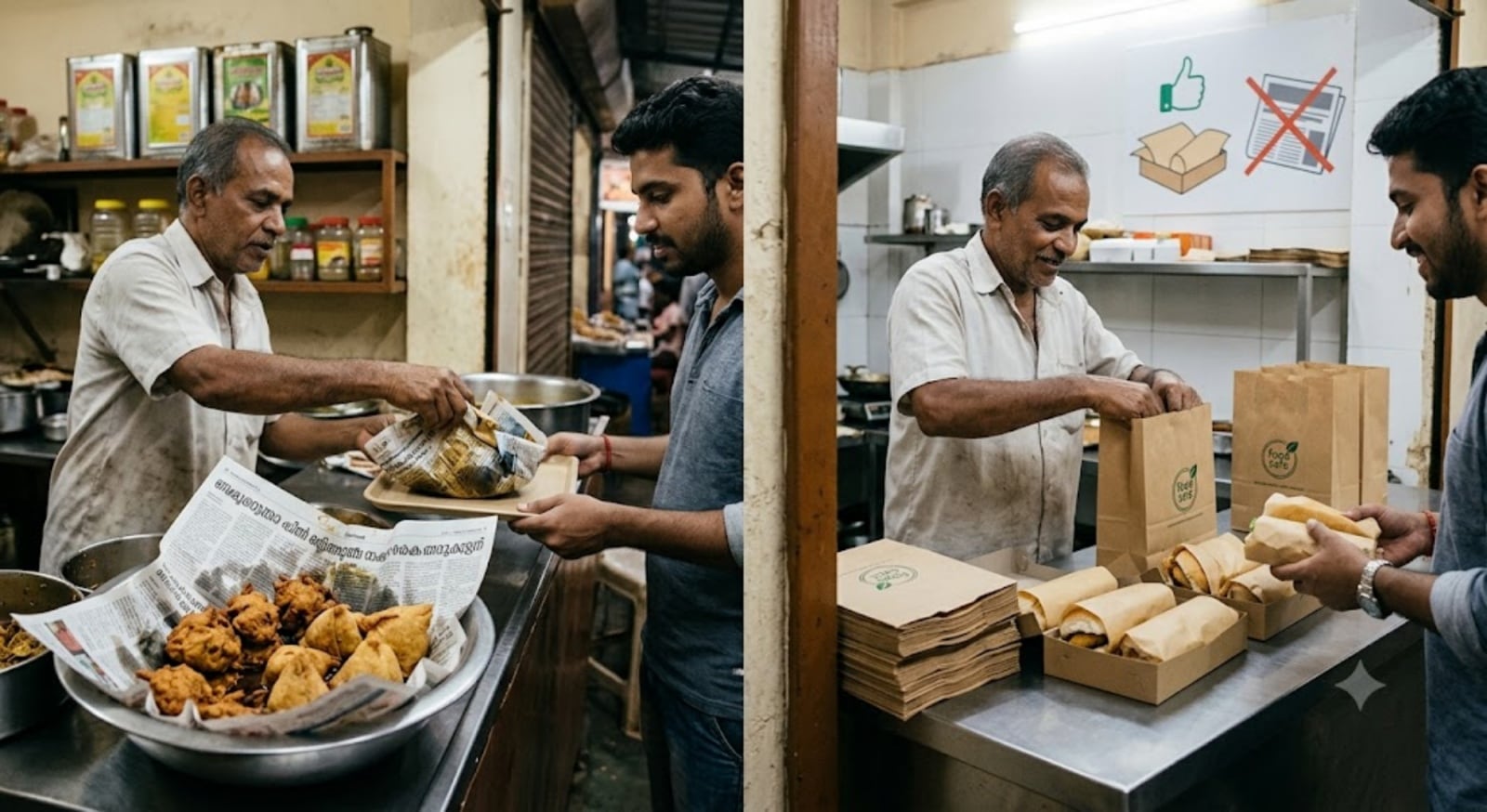 FSSAI bans newspaper packaging for food (Photo: AI)
How harmful chemicals enter your food
The danger increases when newspapers come into contact with hot and oily foods such as vada pav, samosas, pakoras, or fried snacks.
“When hot, oily, or moist foods contact newsprint, the heat and lipids act as solvents, facilitating the migration of chemicals from the ink into the food,” explains Dr Bhatia. This process, known as chemical migration, allows potentially harmful substances to move from the newspaper surface directly into the food being consumed.
The long-term health risks
Dr Bhatia notes that chronic ingestion of heavy metals can have serious consequences. “Chronic exposure to lead and other heavy metals can result in systemic toxicity, affecting the nervous system and kidney function, and may contribute to cognitive impairment, particularly in children,” she says.
The risks extend beyond heavy metals. According to Dr Bhatia, several solvents and dyes used in printing inks are considered potential carcinogens or endocrine disruptors.
Story continues below this ad
“Prolonged exposure through dietary intake is concerning because it may contribute to chronic metabolic disorders and increase the risk of certain cancers,” she adds.
Newspapers can carry harmful microbes, too
Chemical contamination is only one side of the story. From a microbiological perspective, newspapers may also act as vehicles for disease-causing organisms.
“The journey of a newspaper—from the printing press to the delivery agent to the vendor’s stall—is a high-risk transit for surface contaminants,” says Dr Bhatia. Newspapers are routinely handled by multiple individuals, exposed to dust, environmental pollutants, and stored in varying sanitary conditions.
As a result, several pathogens may find their way onto the paper. “Bacteria such as Escherichia coli, Staphylococcus aureus, and Salmonella can be transferred from contaminated hands or surfaces. Viruses including Norovirus and Hepatitis A may also persist on paper surfaces for significant periods,” explains Dr Bhatia.
Story continues below this ad
What should vendors use instead?
Dr Bhatia recommends several safer alternatives:
- Food-grade butter paper that is grease-resistant and chemically inert.
- Clean banana leaves and sal-leaf plates, which are both traditional and environmentally friendly.
- Bagasse containers made from sugarcane fibre, which are durable and compostable.
- Food-grade paper and cardboard containers specifically certified for food contact.
She also cautions against assuming that all paper products are safe. “Recycled paper can sometimes be even more hazardous than ordinary newsprint because it may contain residues from previous inks and chemical treatments used during the recycling process,” says Dr Bhatia.
DISCLAIMER: This article is based on information from the public domain and/or the experts we spoke to. Always consult your health practitioner before starting any routine.