Prateek Tanmay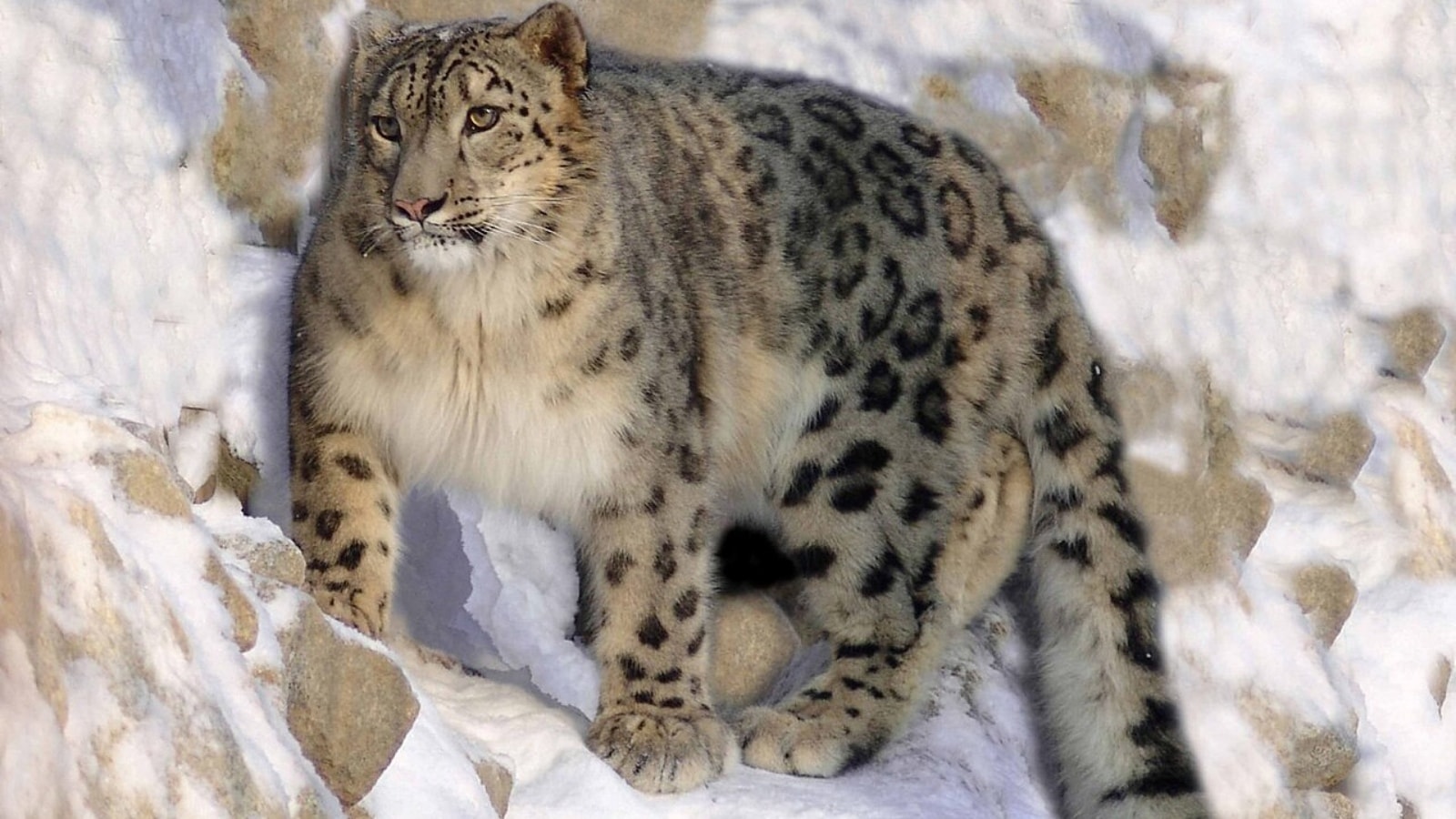
3 min readNew DelhiMay 26, 2026 11:00 PM IST
India is one of the world’s richest biodiversity hotspots, home to forests, deserts, wetlands, grasslands, and mountain ecosystems that support a remarkable variety of wildlife. Many of the country’s national parks also serve as critical refuges for endangered species threatened by habitat destruction, poaching, climate change, and human-wildlife conflict. Here are some of the most fascinating endangered animals you may encounter in India’s protected wilderness areas.
Bengal Tiger
The Bengal tiger remains India’s most iconic endangered species. Found in reserves such as Ranthambore National Park, Bandhavgarh National Park, and Jim Corbett National Park, these majestic big cats play a vital role in maintaining ecological balance. Conservation efforts under Project Tiger have helped improve tiger numbers, but habitat fragmentation and poaching remain major threats.

Snow Leopard
Known as the “Ghost of the Mountains,” the elusive snow leopard inhabits the high-altitude Himalayan regions of India. Hemis National Park is one of the best places to spot this rare predator. Their population remains vulnerable due to climate change, prey decline, and habitat disturbances.
Red Panda
Found in the Eastern Himalayas, the adorable red panda survives in cool, temperate forests rich in bamboo. Singalila National Park and parts of Sikkim are known habitats for this endangered species. Deforestation and habitat fragmentation continue to threaten its survival.
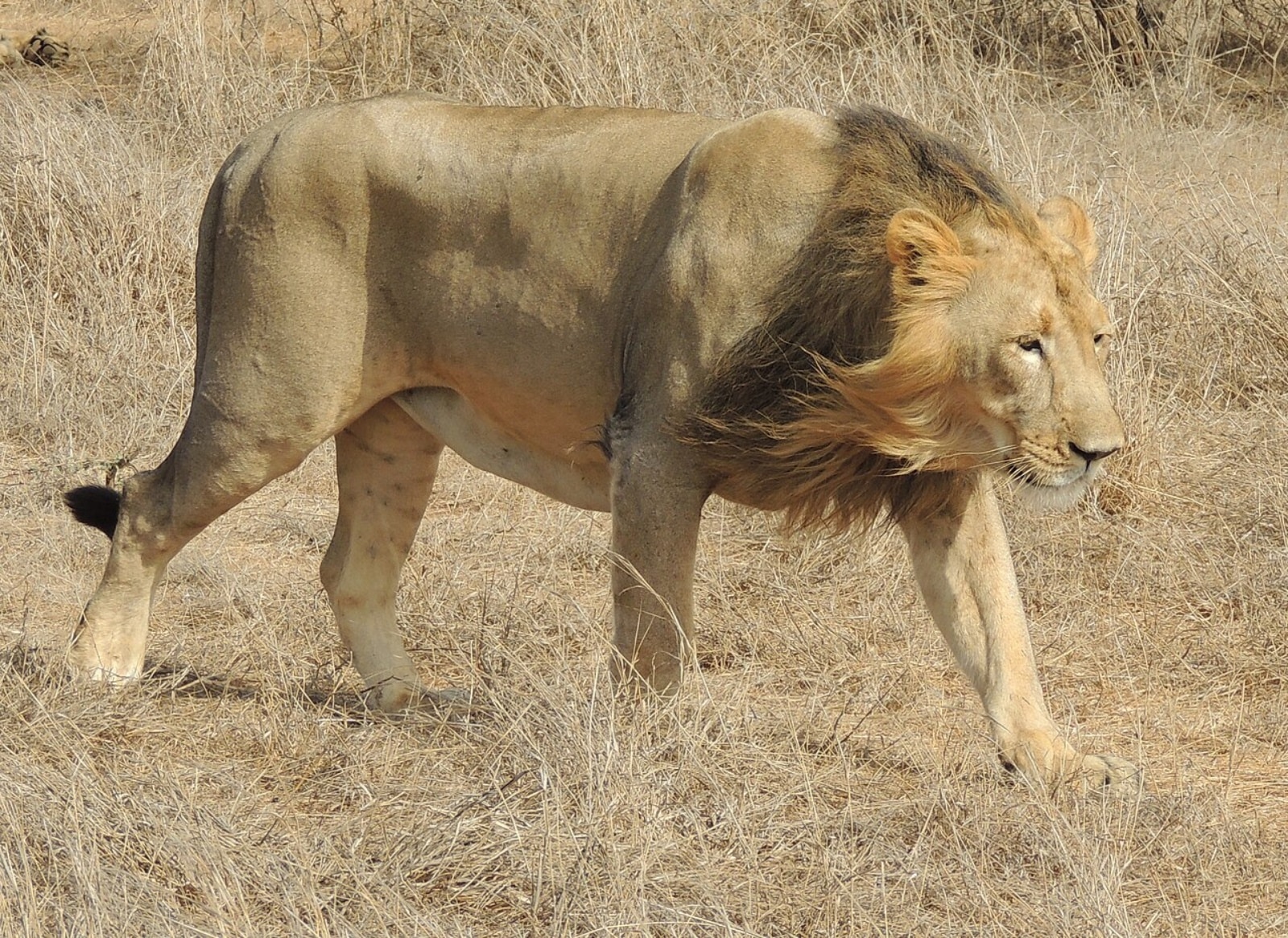 An Asiatic Lion at Gir Forest National Park (Photo: Wikipedia)
Asiatic Lion
The Asiatic lion is found only in India, primarily within Gir National Park. Once on the brink of extinction, conservation initiatives have helped the population recover significantly. However, a limited habitat range still makes the species vulnerable to disease outbreaks and environmental disasters.
Great Indian Bustard
One of the world’s rarest birds, the Great Indian Bustard (GIB), is critically endangered and mainly found in Desert National Park. Power lines, habitat destruction, and declining grasslands have pushed the species close to extinction.
One-horned Rhinoceros
The greater one-horned rhinoceros is among India’s greatest conservation success stories. Kaziranga National Park holds the largest population of these giant herbivores. Strict anti-poaching measures have helped their numbers recover, though illegal hunting and floods still pose risks.
Story continues below this ad
Lion-tailed Macaque
Endemic to the Western Ghats, the lion-tailed macaque is one of India’s rarest primates. Silent Valley National Park is one of its key habitats. Loss of rainforest habitat due to plantations and development threatens its survival.